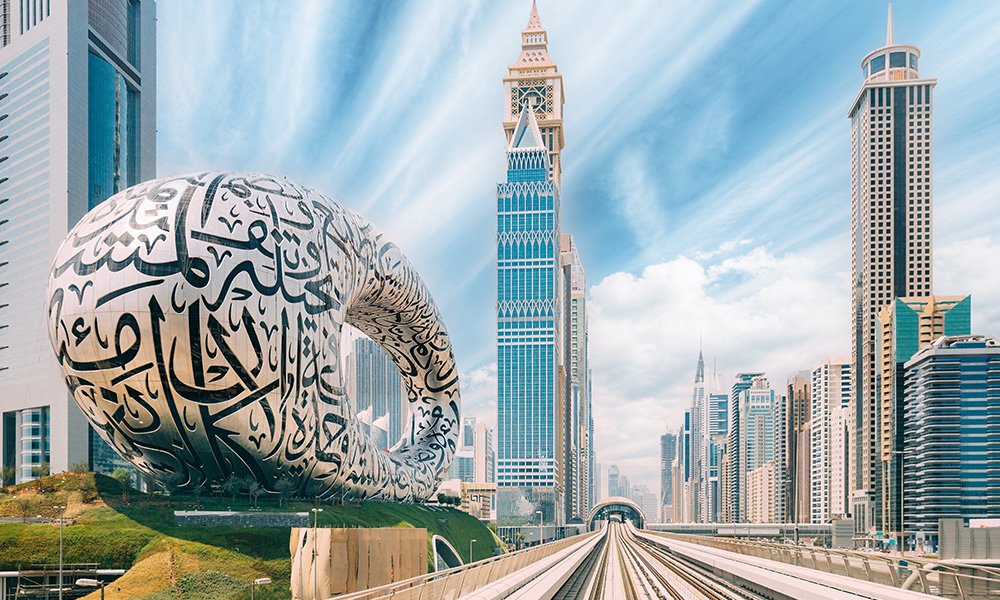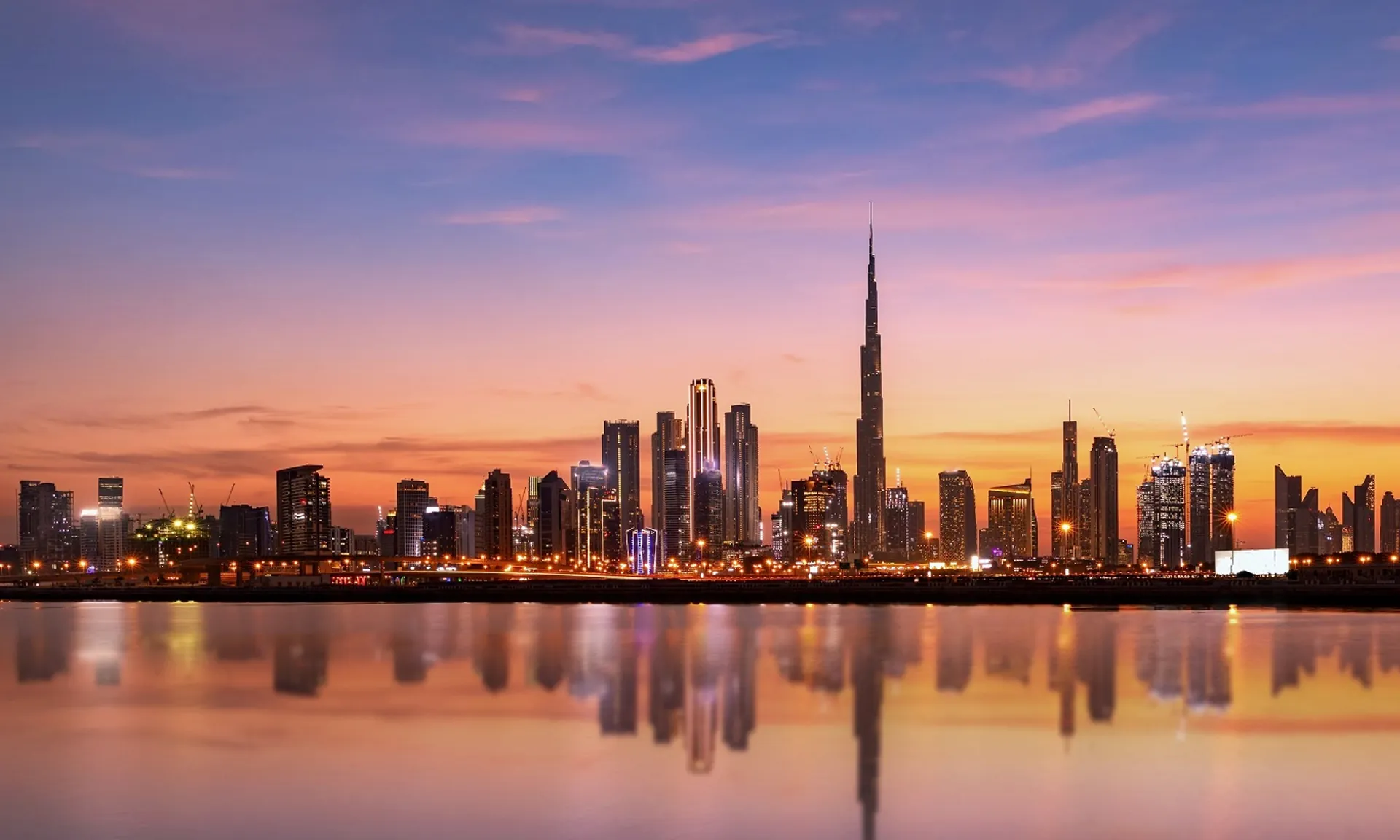






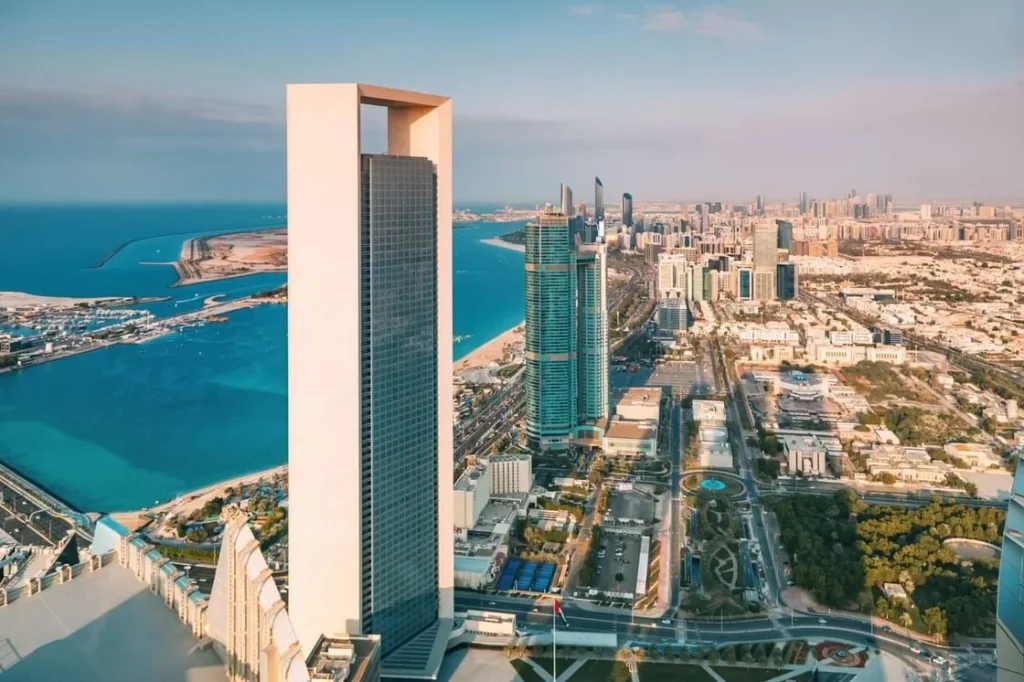

Abu Dhabi’s real estate market is witnessing one of its most robust performances in recent years, with unprecedented growth and rapidly expanding off-plan sales marking the first half of 2025. The emirate’s strategic initiatives, population growth, and improved investor confidence are fueling this surge, positioning Abu Dhabi as a key real estate hub in the UAE and the wider Gulf region.
Strong Market Performance
According to recent market reports, Abu Dhabi’s real estate transactions totaled over AED 94 billion across nearly 30,000 deals for the first nine months of 2025—a remarkable 43.3% increase in value and a 48% rise in transaction volume year-over-year. The third quarter alone saw off-plan sales rise to 77% of total transactions, reflecting significant investor appetite for new developments.
Drivers Behind Growth
Several factors contribute to Abu Dhabi’s real estate boom:
- Population Expansion: The emirate’s growing workforce and expatriate community drive demand for residential units, especially in high-demand areas like Al Reem Island and Yas Island.
- Investor Confidence: Government initiatives ensuring market transparency and boosting economic diversification improve investor trust.
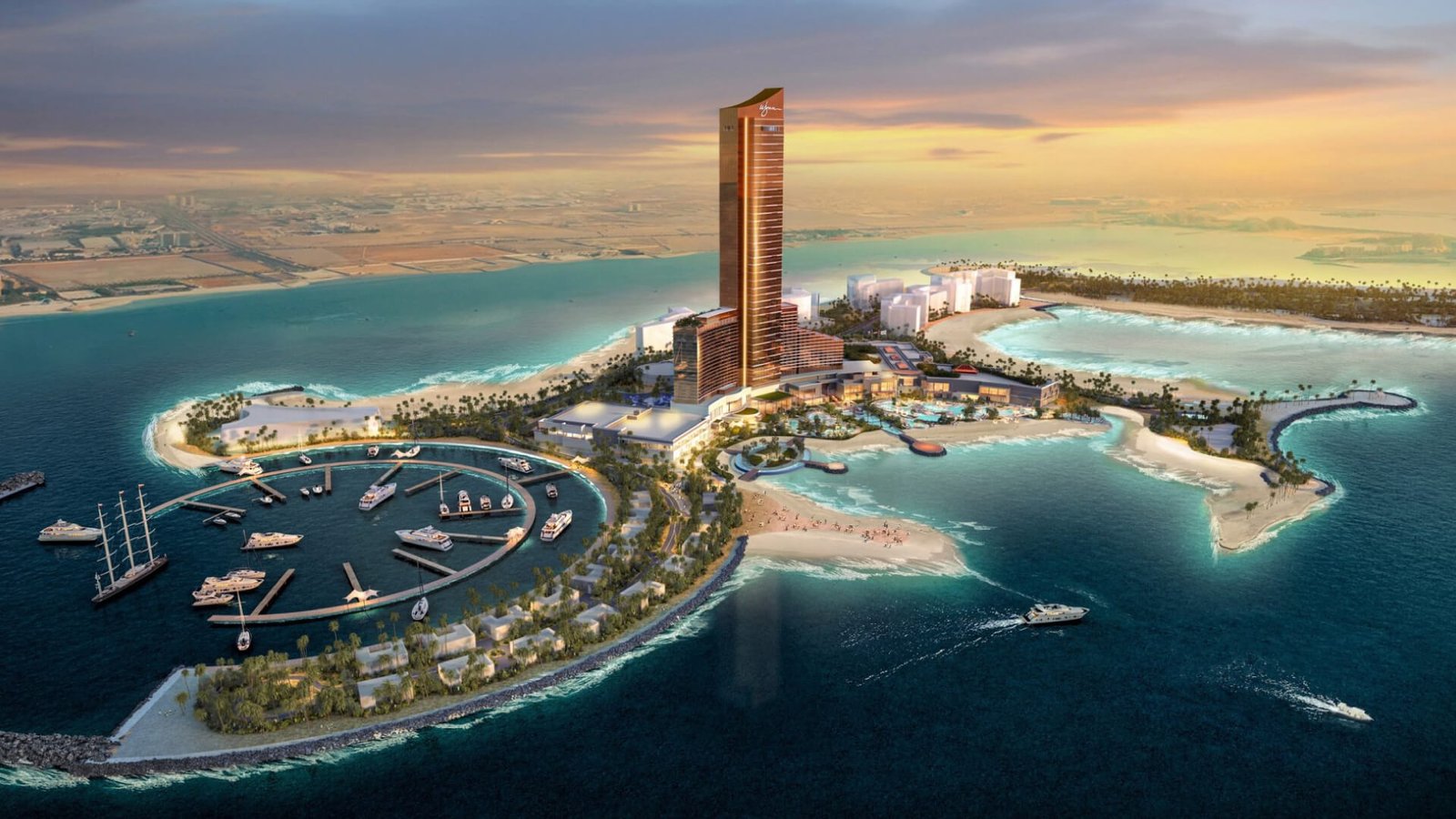
- Luxury and Mid-Tier Segments: While luxury properties like waterfront villas enjoy premium demand, mid-tier developments see strong interest from working professionals seeking affordable yet quality housing.
- Enhanced Regulations: Policies supporting foreign ownership, mortgage financing, and Golden Visa programs widen the market base.
Market Trends and Buyer Behavior
- Villas show significant price gains, continuing a five-year outperforming trend, owing to limited supply and high demand.
- Apartments and townhouses see balanced growth with attractive rental yields, drawing investor and end-user attention.
- Off-plan properties provide flexible payment options, appealing to both local and international buyers focusing on future value creation.
Challenges and Outlook
Still, market analysts point to challenges such as:
- Managing housing supply to avoid oversupply in certain areas.
- Maintaining affordability amid rising prices, especially for young buyers.
- Ensuring infrastructure keeps pace with rapid urban expansion.
Looking ahead, Abu Dhabi’s real estate market is expected to continue on its growth trajectory through 2025, supported by broader economic policies and infrastructure upgrades.
Frequently Asked Questions
Q1: What areas in Abu Dhabi are most popular?
Al Reem Island, Yas Island, and Saadiyat Island remain top preferences for luxury and mid-range buyers.
Q2: How are off-plan sales contributing to the market?
Off-plan projects account for the majority of transactions, fueled by buyer flexibility and developer incentives.
Q3: What kind of yields can investors expect?
Rental yields range between 5% to 8%, higher for villas and waterfront properties.


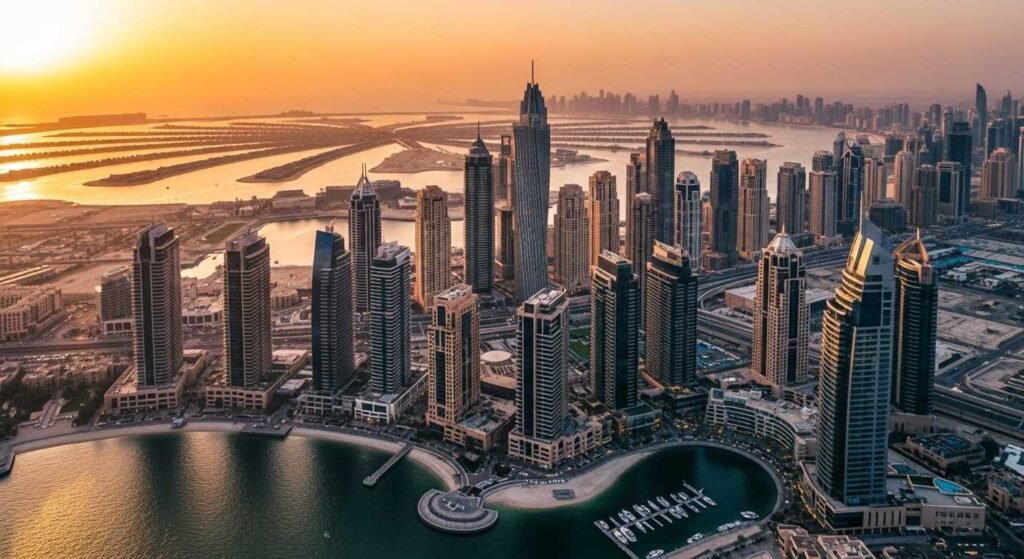
Abu Dhabi’s real estate market is shaping up to be one of the most attractive investment landscapes in the Middle East in 2025. With a blend of luxury and affordable developments, population growth, and a stable business environment, the emirate offers diverse opportunities for investors, residents, and developers alike.
The Telegraph Middle East will keep readers updated on the latest trends, policy changes, and market insights shaping Abu Dhabi’s property sector.