




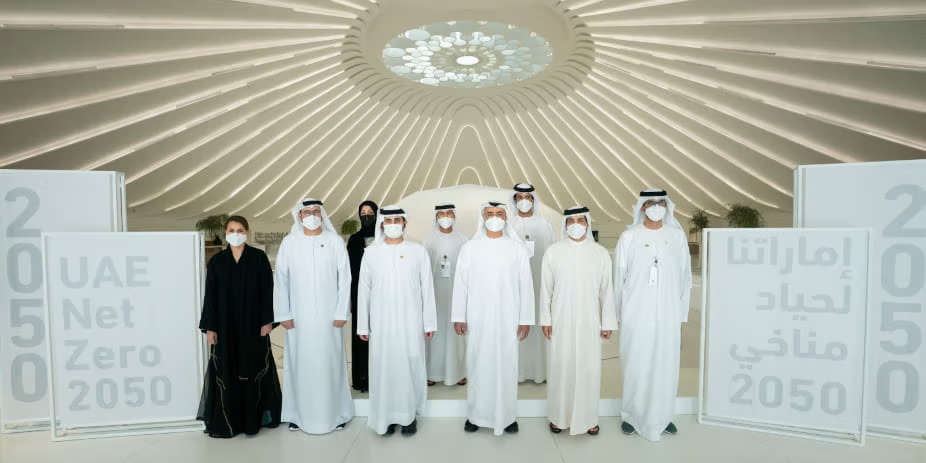

The United Arab Emirates has boldly committed to achieving net zero carbon emissions by 2050, positioning itself as a regional leader in climate action. Announced as part of the UAE Net Zero by 2050 Strategic Initiative, this landmark commitment aims to stimulate sustainable economic and social development while addressing global climate concerns.
Ambitious Targets and Multi-Sectoral Pathways
The UAE’s strategy targets absolute net-zero emissions by 2050, covering key greenhouse gases across all sectors except F-gases. The approach integrates sector-specific targets with a focus on:
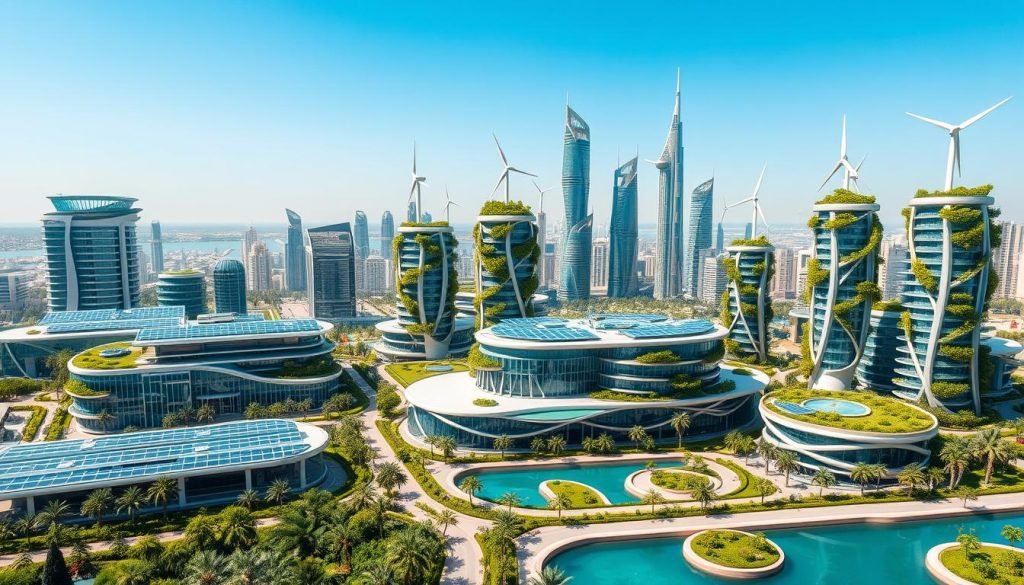
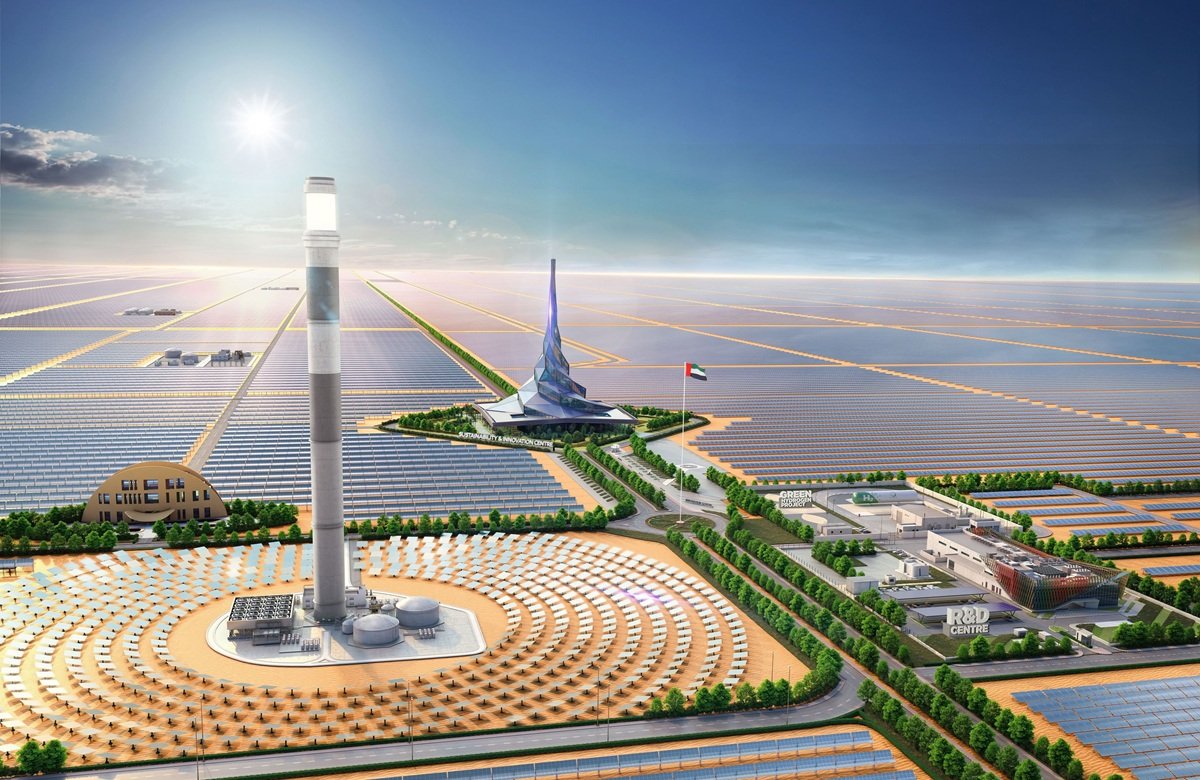
- Energy Transition: Large-scale deployment of renewables like solar and nuclear power alongside natural gas, combined with cutting-edge carbon capture and storage (CCS) technologies.
- Decarbonization of Industry: Investing in cleaner industrial processes, energy efficiency measures, and CCS to reduce emissions in iron, steel, chemicals, and fertilizer sectors.
- Transport Electrification: Expanding electric vehicle infrastructure and public transit to reduce carbon footprints.
- Research and Innovation: Backing academic and industrial R&D to develop new green technologies and sustainable practices.
This comprehensive planning is expected to contribute roughly 3% to the UAE’s GDP by transforming the economic model toward sustainability.
Economic and Social Benefits
The initiative is designed not only to lower emissions but also to:
- Create around 200,000 new jobs in renewable energy, hydrogen, batteries, and related sub-sectors.
- Enhance export opportunities in clean technologies and sustainable products.
- Drive innovation ecosystems bridging private and public sectors.
These outcomes demonstrate how environmental commitments align closely with economic diversification and growth goals outlined in the UAE Vision 2021 and Economic Vision 2030.
Government Leadership and Global Collaboration
The UAE Ministry of Climate Change and Environment leads coordination efforts, ensuring government entities, industry players, and civil society collaborate effectively. The country also emphasizes international partnerships to share expertise, attract investments, and scale solutions globally.
Challenges and Outlook
While the roadmap offers a well-structured vision, challenges involve:
- Scaling CCS technology economically and efficiently.
- Balancing continued hydrocarbon production with clean energy expansion in the short term.
- Building sufficient renewable energy infrastructure to meet rising demands.
Continuous policy refinement, technological advancements, and sustained stakeholder engagement are crucial to meet the 2050 target.

Frequently Asked Questions
Q1: What does net zero carbon emissions mean?
It means balancing emitted greenhouse gases with those removed from the atmosphere, effectively resulting in no net increase in emissions.
Q2: How is the UAE’s approach unique?
It combines traditional energy sources with advanced clean technologies, emphasizing economic growth alongside environmental responsibility.
Q3: What sectors are prioritized?
Energy production, heavy industry, transport, and construction are key focus areas for emissions reduction.
The UAE’s Net Zero by 2050 Strategic Initiative represents a historic commitment to lead the Middle East and the broader global community towards a more sustainable future. By leveraging innovation, investment, and collaborative governance, the UAE aims to serve as a model for climate action while driving economic prosperity.
The Telegraph Middle East will continue to monitor development progress, technological breakthroughs, and policy evolutions that unfold as the UAE journeys toward its ambitious net zero goal.