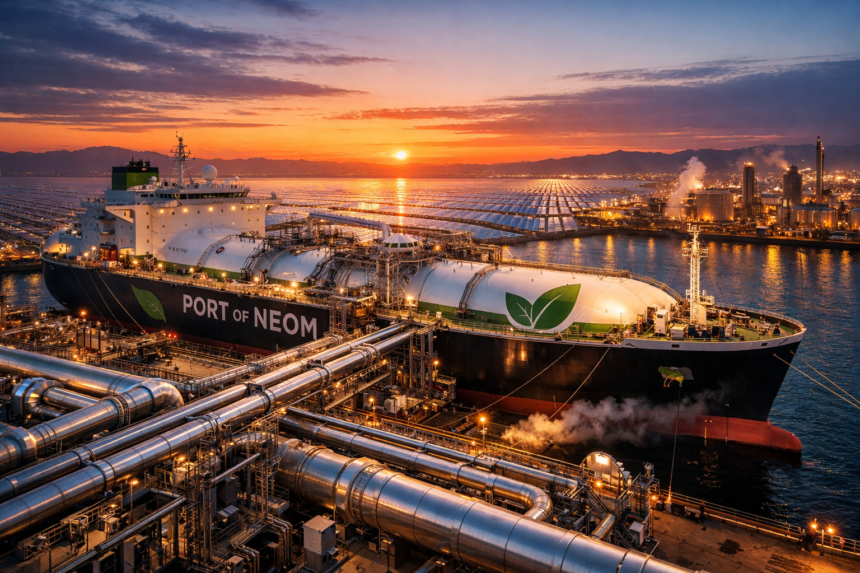








Dubai has taken a giant leap forward in its renewable energy ambitions with the addition of 800 megawatts (MW) to the Mohammed bin Rashid Al Maktoum Solar Park in 2025. This expansion, marking the completion of the solar park’s sixth phase, brings the total clean energy capacity to 3,860 MW, firmly establishing it as one of the world’s largest solar parks.
The Sixth Phase Expansion and Technologies
The sixth phase uses cutting-edge photovoltaic (PV) solar panels and concentrated solar power (CSP) technologies, including a parabolic basin complex and a solar power tower with molten salt thermal storage—the tallest solar tower globally standing at over 263 meters tall.
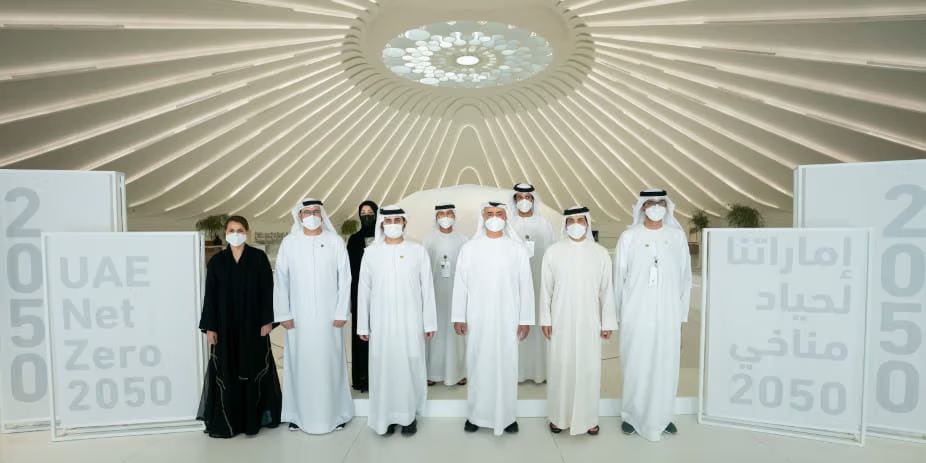
- The 800 MW addition supports Dubai’s Clean Energy Strategy 2050, which aims for 100% of Dubai’s energy to come from clean sources by 2050.
- The solar park’s capacity is expected to hit 7,260 MW by 2030, meeting 34% of Dubai Electricity and Water Authority’s (DEWA) total power needs.
- Advanced battery energy storage systems are planned for future phases, ensuring renewable energy availability around the clock.
Environmental and Economic Impact
This massive renewable energy investment will reduce roughly eight million tonnes of carbon emissions annually, providing clean power for more than 320,000 residential households.
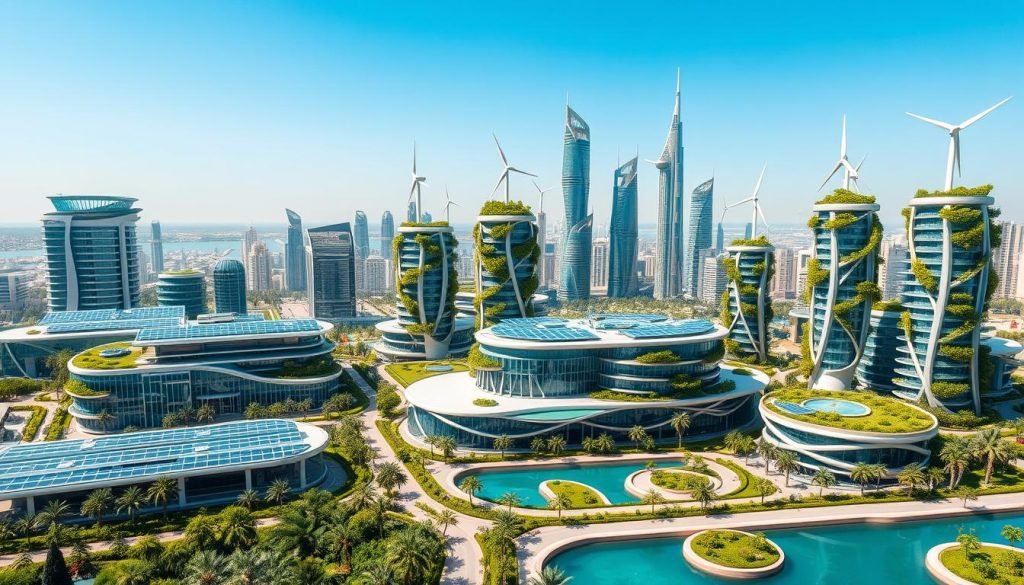
- The project directly supports Dubai’s aspiration to be a global sustainable city and a center for green innovation.
- It attracts significant international partnerships and investments fostering growth in clean tech sectors.
- Job creation spans renewable energy construction, operations, and related industries.
Strategic Vision and Future Developments
Saeed Mohammed Al Tayer, DEWA’s CEO, emphasized the solar park’s crucial role in achieving Dubai’s net zero goals and transitioning the emirate’s energy mix. Future phases, including a 1,600 MW upcoming seventh phase with battery storage, are planned to keep pace with population and industrial growth.
Frequently Asked Questions
Q1: What types of solar technology are used in the park?
It combines photovoltaic panels, parabolic basin CSP, and solar towers with molten salt storage for continuous power.
Q2: How does the expansion affect Dubai’s sustainability goals?
It significantly boosts clean energy share, aligning with visions for carbon neutrality by 2050.
Q3: Are there job opportunities from this expansion?
Yes, across various sectors including construction, engineering, and green technology innovation.
Conclusion
The expansion of the Mohammed bin Rashid Al Maktoum Solar Park encapsulates Dubai’s pioneering commitment to renewable energy, providing a blueprint for sustainable urban growth in the region. As Dubai powers towards a green future, this project exemplifies how innovation and strategic investment can yield both environmental and economic rewards.
The Telegraph Middle East will continue delivering comprehensive updates on Dubai’s renewable energy advancements and their role in combating climate change.