





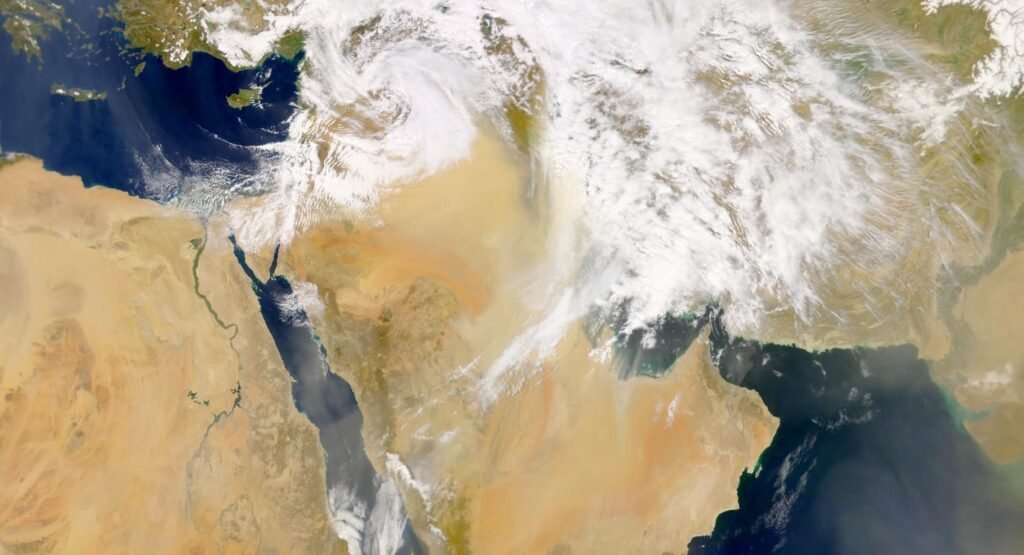

The UAE’s arid climate and limited freshwater resources make it exceptionally vulnerable to climate change impacts, particularly rising temperatures and dwindling rainfall patterns. In 2025, the nation is actively confronting these challenges through innovative water management and desalination technologies, alongside aggressive conservation initiatives, to secure sustainable water supply for its growing population and industries.
Climate Change and Water Scarcity in the UAE
- Projected temperature increases of up to 2.5°C by 2050 exacerbate evaporation and soil moisture depletion.
- Declining rainfall and aquifer recharge rates intensify pressures on groundwater and surface water resources.
- Growing urbanization and industrialization amplify per capita water demand, stretching traditional sources beyond capacity.
These factors necessitate swift adaptive measures to maintain water security.
Innovation in Desalination Technologies
The UAE is a global pioneer in desalination, supplying over 90% of its potable water through seawater desalination plants.
- Recent advances include solar-powered Reverse Osmosis (RO) facilities reducing carbon footprints by integrating renewable energy sources.
- Pilot projects utilizing Membrane Distillation and zero liquid discharge (ZLD) systems aim to minimize environmental impacts.
- Smart monitoring and AI optimize plant efficiency, predict maintenance needs, and reduce operational costs.
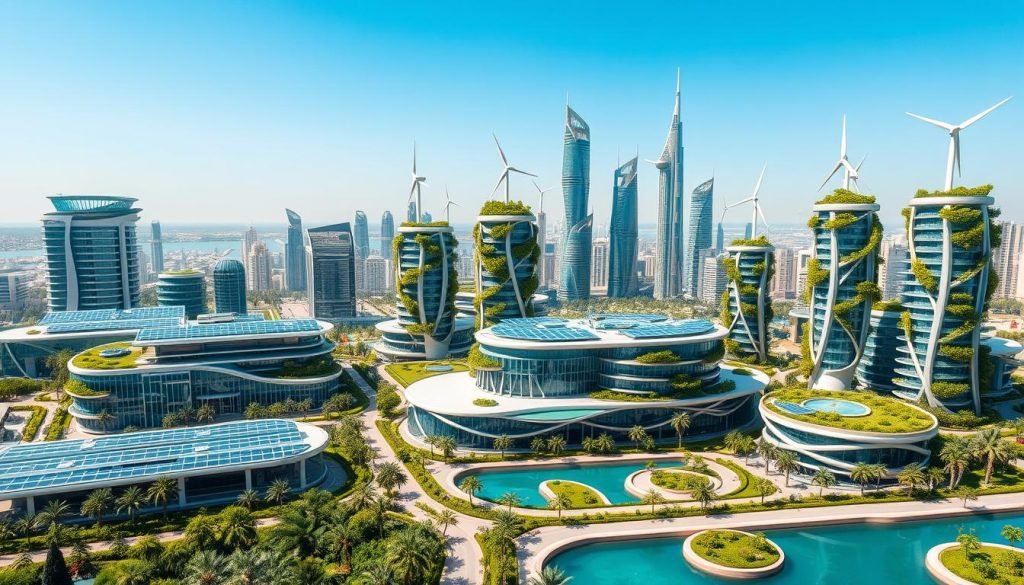
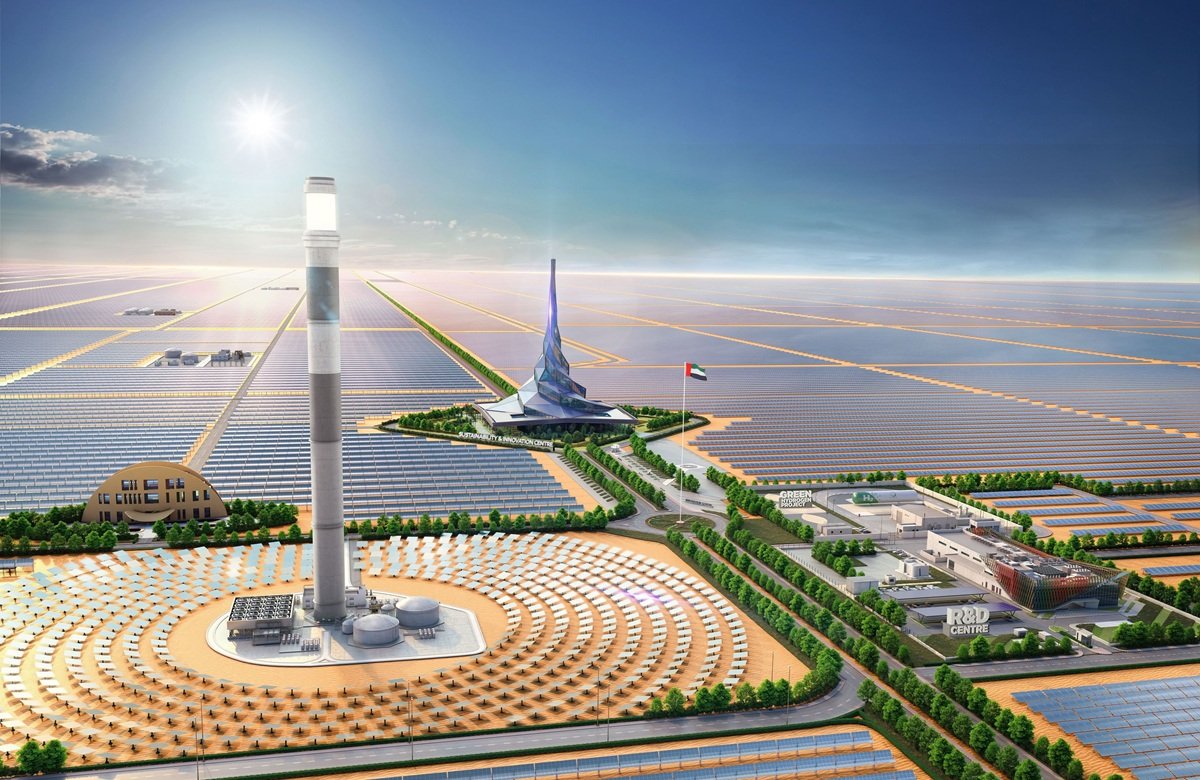
Masdar City exemplifies sustainable water use by incorporating rooftop rainwater harvesting, greywater recycling, and cutting-edge wastewater treatment.
Water Conservation Programs and Public Engagement
Government-led initiatives promote responsible water usage through:
- Subsidies for water-efficient appliances and irrigation technologies.
- Awareness campaigns emphasizing behavioral change at industrial, commercial, and household levels.
- Regulations limiting water-intensive landscaping and encouraging native drought-tolerant plants.
Community participation and education remain integral to these programs’ success.
Future Prospects and Regional Cooperation
- Ongoing investments target capacity expansion and diversification of water sources, including treated wastewater reuse for agriculture and industry.
- The UAE collaborates regionally on joint water resource management and climate data sharing to enhance resilience.
Frequently Asked Questions
Q1: How critical is water security for the UAE?
It is vital given the country’s desert environment and limited renewable freshwater resources.
Q2: What role do new technologies play?
They enable more energy-efficient desalination and promote water reuse, key to sustainable supply.


Q3: How can individuals contribute to water conservation?
Adopting efficient fixtures, reducing waste, and supporting awareness campaigns.
The UAE’s proactive approach to adapting water resources to changing climate realities combines technological innovation with community-driven conservation. This multifaceted strategy is essential to sustaining the country’s water security and environmental health as it navigates the challenges of 21st-century climate pressures.
The Telegraph Middle East will continue monitoring developments in water sustainability, spotlighting innovations and policies supporting the UAE’s resilient future.