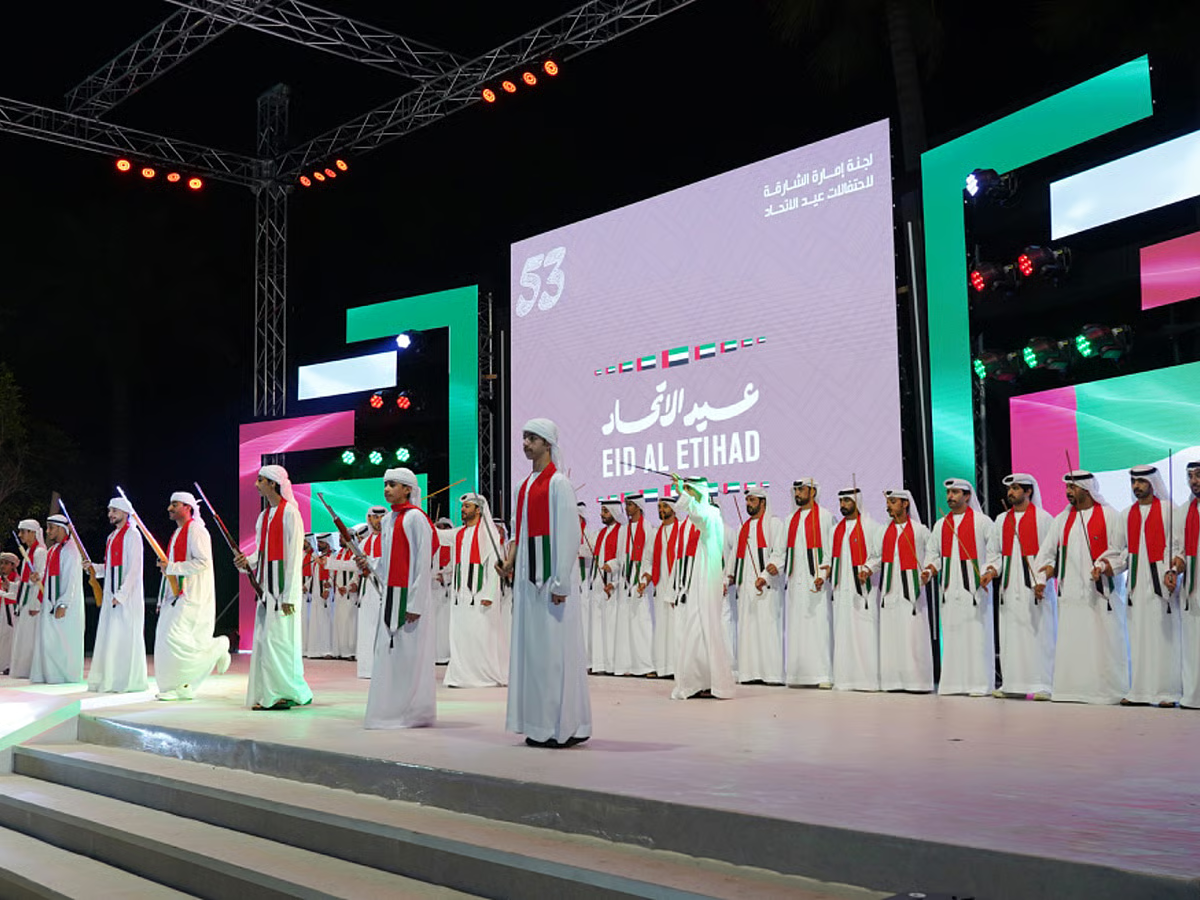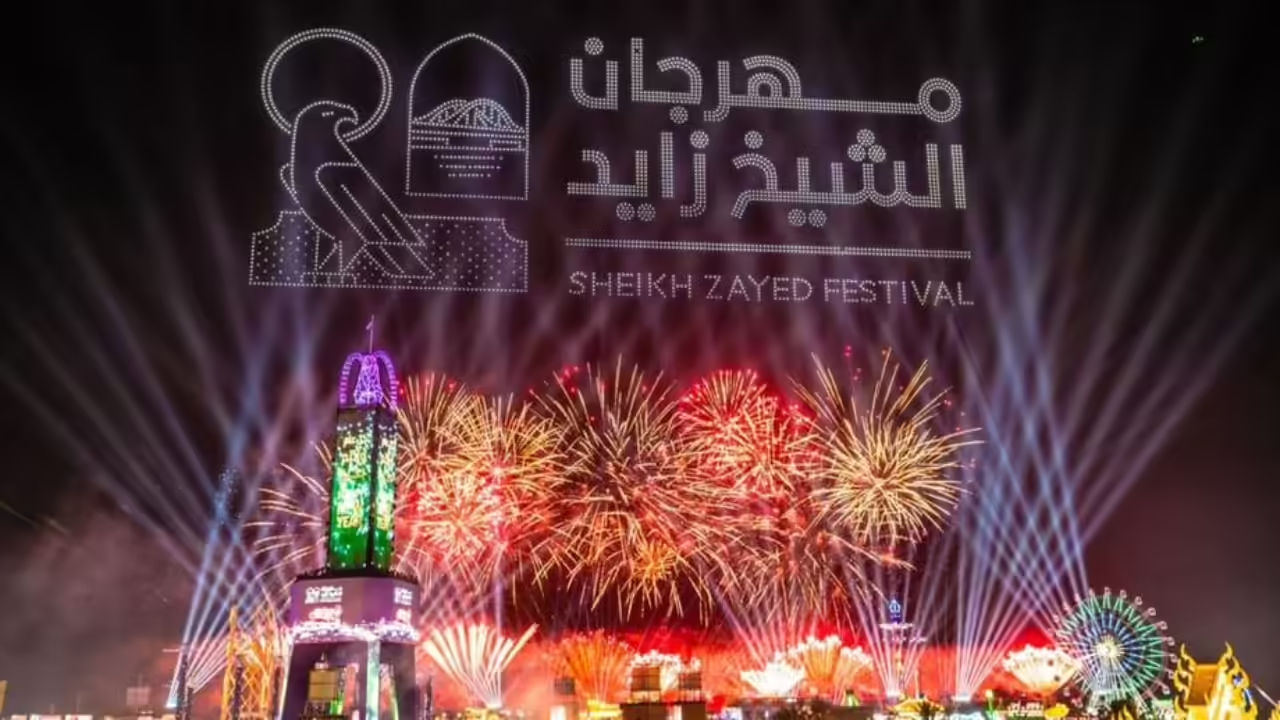







In 2025, the Middle East stands at the forefront of a digital cultural revolution, where technology is not merely a tool but an essential fabric weaving together new social norms, creative expression, and cultural identity. From bustling urban centers of Dubai and Riyadh to emerging tech hubs in Doha and Beirut, digital culture is reshaping the way people connect, communicate, and celebrate their rich heritage in a hyperconnected world.
The Rise of Digital as the New Cultural Majlis
Social media and messaging platforms have evolved into modern-day majlis—virtual meeting places imbued with traditional significance in Arab culture for dialogue, consultation, and community bonding. Platforms like TikTok, Instagram, and WhatsApp serve as vibrant venues where art, music, poetry, and storytelling flourish.
- Content creators blend classical poetry with contemporary beats, reaching millions.
- Influencers showcase regional fashion infused with modern tech-inspired aesthetics.
- Social campaigns raise awareness on cultural preservation amid rapid globalization.
Young digital natives become cultural ambassadors, blending respect for tradition with cutting-edge creativity.
Technology Empowering Women and Youth
Women and youth are key drivers of digital cultural transformation in the Middle East:
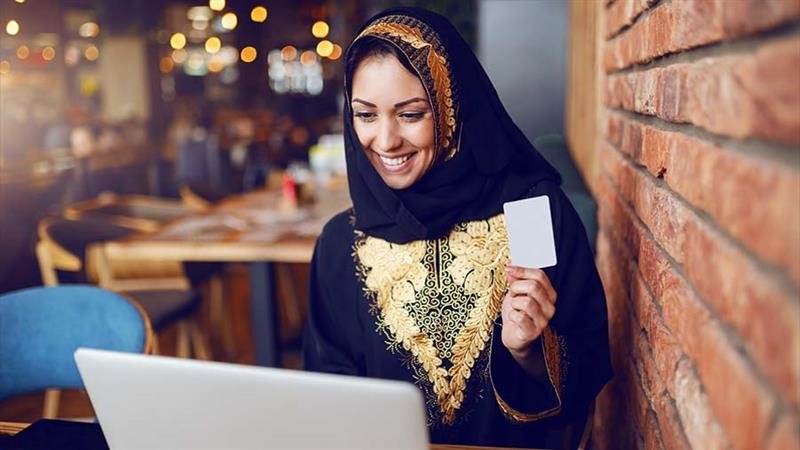
- Increasing female participation in digital entrepreneurship, including YouTube channels and e-commerce, breaks traditional barriers.
- Youth-led virtual festivals and online storytelling platforms foster inclusivity and dialogue across socio-political divides.
- Digital literacy initiatives enable marginalized communities to access and create cultural content.
These developments contribute to a more pluralistic society where diverse voices shape national narratives.
Balancing Global Influence with Indigenous Heritage
Global digital trends exert strong influence on Middle Eastern youth, but local culture remains deeply rooted:
- Arabic language digital content is growing exponentially, supported by regional platforms and AI-based language tools.
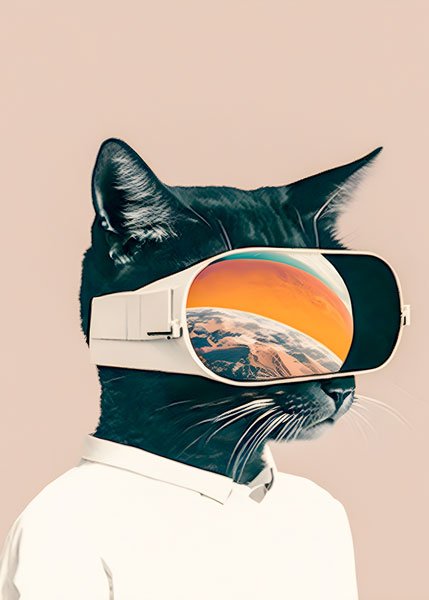
- Emerging VR and AR experiences transport users to historical sites, allowing immersive cultural education.
- Traditional crafts and music receive new life via e-commerce and collaborative digital exhibitions.
This synthesis creates a feedback loop reinforcing pride and innovation.
Challenges of the Digital Shift
While digital culture holds promise, challenges persist:
More Read

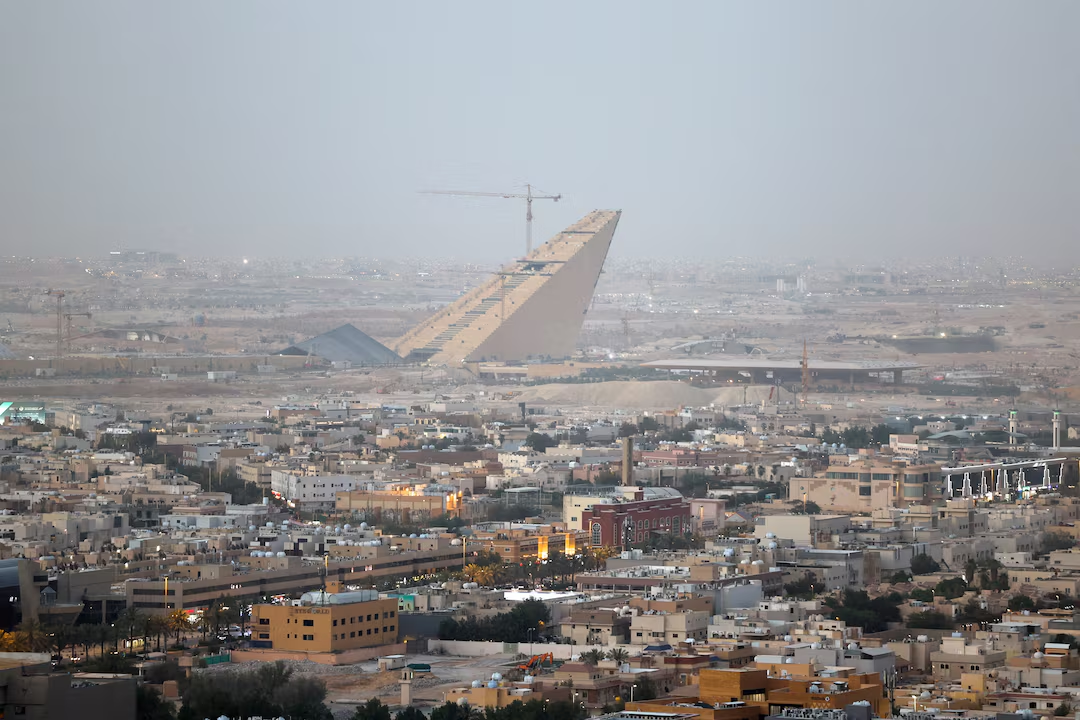
- Cybersecurity and privacy concerns create risks for individuals sharing cultural expressions openly.
- Digital divides based on geography and socioeconomic status can marginalize certain communities.
- Ethical questions arise about cultural appropriation and authenticity in increasingly globalized content.
Multi-stakeholder cooperation aims to build responsible ecosystems addressing these issues.
Frequently Asked Questions
Q1: How is digital culture different from traditional culture in the Middle East?
Digital culture leverages technology to broaden participation and remix traditions, expanding cultural reach beyond geographic boundaries.
Q2: Are there risks that digital culture might erode traditional practices?
While concerns exist, many digital initiatives actively preserve and revitalize heritage through innovative formats.
Q3: How are governments supporting digital culture growth?
Through funding, incubators, media regulations, and cultural diplomacy that prioritize balanced development.
The Middle East’s digital culture in 2025 exemplifies the dynamic interplay between heritage preservation and contemporary innovation. As technology redefines community, creativity, and identity, the region emerges as a laboratory of digital cultural experimentation blending the old and new harmoniously.
The Telegraph Middle East will continue to explore this fascinating evolution through stories, trends, and voices that illuminate the future of culture in a digital age.