




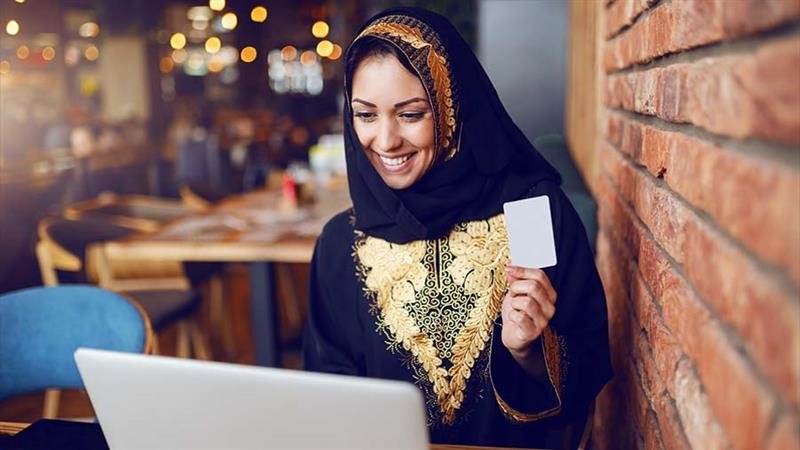

The Middle East is experiencing a dynamic transformation in lifestyle patterns in 2025, driven by rising economic pressures, heightened health awareness, rapid digital technology adoption, and growing environmental concerns. This evolving landscape is creating exciting new opportunities for businesses and reshaping how consumers live, work, and interact with culture and commerce.
Economic Pressures and Price Sensitivity Reshape Consumption
With rising living costs especially in countries like the UAE and Saudi Arabia, consumers are increasingly price-sensitive. Nearly half of consumers report adjusting spending habits, prioritizing value without compromising quality.
- Smaller package sizes in groceries and fast-moving consumer goods (FMCG) become popular as families seek flexible options.
- Promotions and loyalty programs play influential roles in purchase decisions.
- Consumers are balancing cost-consciousness with a demand for premium local and organic products.
Health and Wellness as Lifestyle Priorities
Health consciousness moves beyond the aisle and gym into core lifestyle choices:
- Growing concern over ultra-processed foods leads to increased demand for clean-label, plant-based, and fortified products.
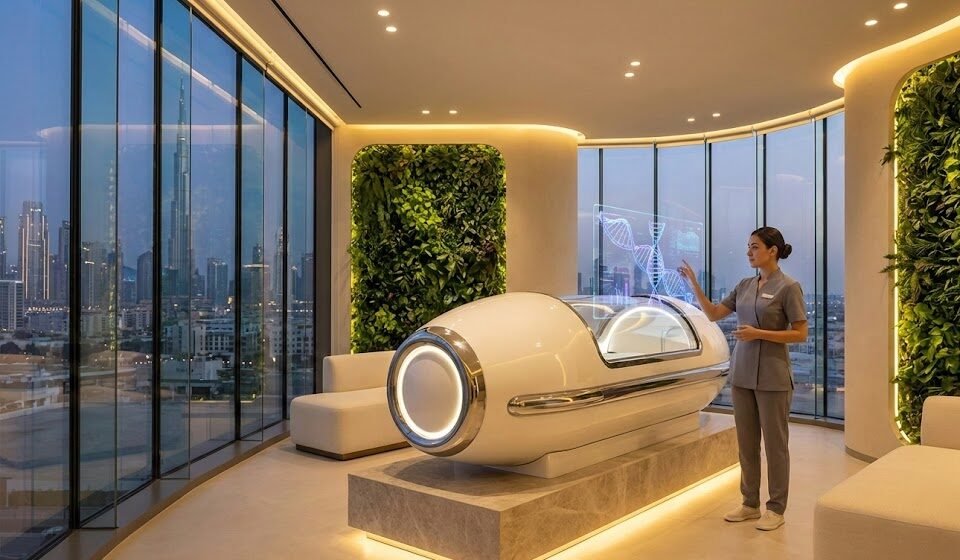
- Technological health aids like wearable fitness devices, AI meal planners, and health monitoring apps are widely adopted in urban centres such as Dubai and Riyadh.
- Weight management trends include use of GLP-1 medications, reflecting broader shifts in health awareness and investment in personal wellbeing.
Digital Transformation Drives Convenience and Personalization
Digital adoption continues to revolutionize lifestyle experiences throughout the region:
- AI-powered recommendation systems personalize shopping, dining, and fitness experiences.
- E-commerce platforms evolve with seamless payment options and same-day delivery, making convenience a baseline expectation.
- Social media platforms, especially TikTok and Instagram, influence consumer trends faster than ever, accelerating viral product growth cycles.
Sustainability and Local Culture Influence Choices
Consumers increasingly integrate sustainability into their daily lives while embracing local culture:
- Eco-friendly packaging, zero-waste stores, and ethical fashion appeal to younger, environmentally conscious demographics.
- Traditional products and locally sourced goods enjoy renewed appreciation, balancing modern convenience with cultural identity.
Examples from Across the Region
- UAE: Experiential dining delivery and functional foods rise as urbanites prioritize health and convenience.
- Qatar: Affluent consumers fuel growth in premium health and wellness services.
- Kuwait: Embraces fitness technology and organic lifestyle products amid increasing digital engagement.
Frequently Asked Questions
Q1: How are Middle Eastern consumers balancing cost and quality?
Consumers are opting for value-oriented products without sacrificing authenticity or health benefits.
Q2: What role does digital technology play in lifestyle changes?
Technology personalizes services, enhances convenience, and drives informed consumer choices.
Q3: Are cultural traditions influencing these lifestyle trends?
Yes, there is a strong trend toward blending modern health and sustainability with cultural heritage.

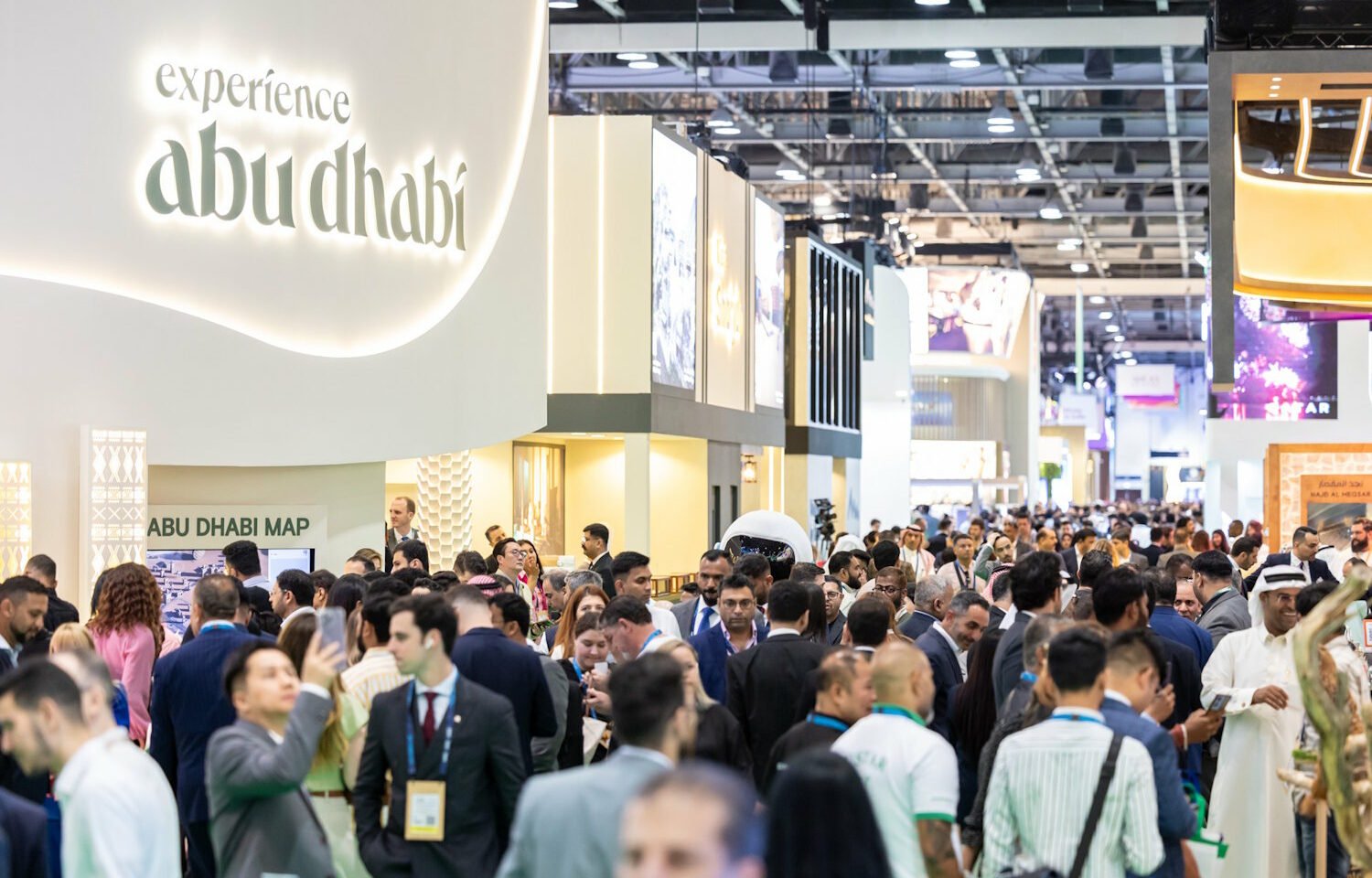

Lifestyle trends in the Middle East for 2025 reflect a region at the intersection of economic pragmatism, health-consciousness, digital innovation, and cultural sustainability. Brands and entrepreneurs poised to align with these multifaceted consumer values will find fertile ground for growth and loyalty.
The Telegraph Middle East will continue tracking these evolving trends, delivering actionable insights for business and consumer audiences alike.