





The “Third Generation” has officially taken the keys. Educated in Stanford and London, this new cohort of Arab family office leaders is dismantling the “Construction First” legacy of their grandfathers in favor of a high-risk, high-reward digital portfolio.
For fifty years, the formula for building wealth in the Gulf was simple: Buy land, build a tower, rinse, and repeat. Real estate and construction were not just asset classes; they were the heartbeat of the GCC family conglomerate.
In 2026, that heart is beating to a different rhythm.
We are currently witnessing the peak of the GCC family wealth transfer 2026, a seismic shift where an estimated $1 trillion in assets is handing over from the second generation (the “Builders”) to the third generation (the “Digitisers”).
According to a new insights report by the DIFC Family Wealth Centre, this transition is not merely a change in personnel, it is a change in philosophy. The safe, tangible assets that built the Gulf are being liquidated or leveraged to fund a massive pivot into Artificial Intelligence, Biotech, and Fintech.
The “Gen 3” Mindset: Speed Over Stability
To understand the GCC family wealth transfer 2026, you must understand the new decision-makers.
“My grandfather built malls; I want to build platforms,” says the 29-year-old CEO of a prominent Saudi Single Family Office (SFO), who requested anonymity. “Real estate yields 6% if you are lucky. A successful stake in an AI infrastructure layer can yield 400%. We are not abandoning real estate, but it is no longer the engine. It is just the anchor.”
This sentiment is backed by data. In 2020, the average GCC family office allocated 60% of its portfolio to real estate. In 2026, that figure has dropped to 35%, with the difference flowing aggressively into Venture Capital (VC) and Private Equity (PE).
Read More: UAE Digital Dirham 2026 Rollout: Is This the End of SWIFT for Gulf Trade?


The “Direct Deal” Revolution
Unlike their parents, who passively invested in global funds like BlackRock or Carlyle, the Third Generation wants control.
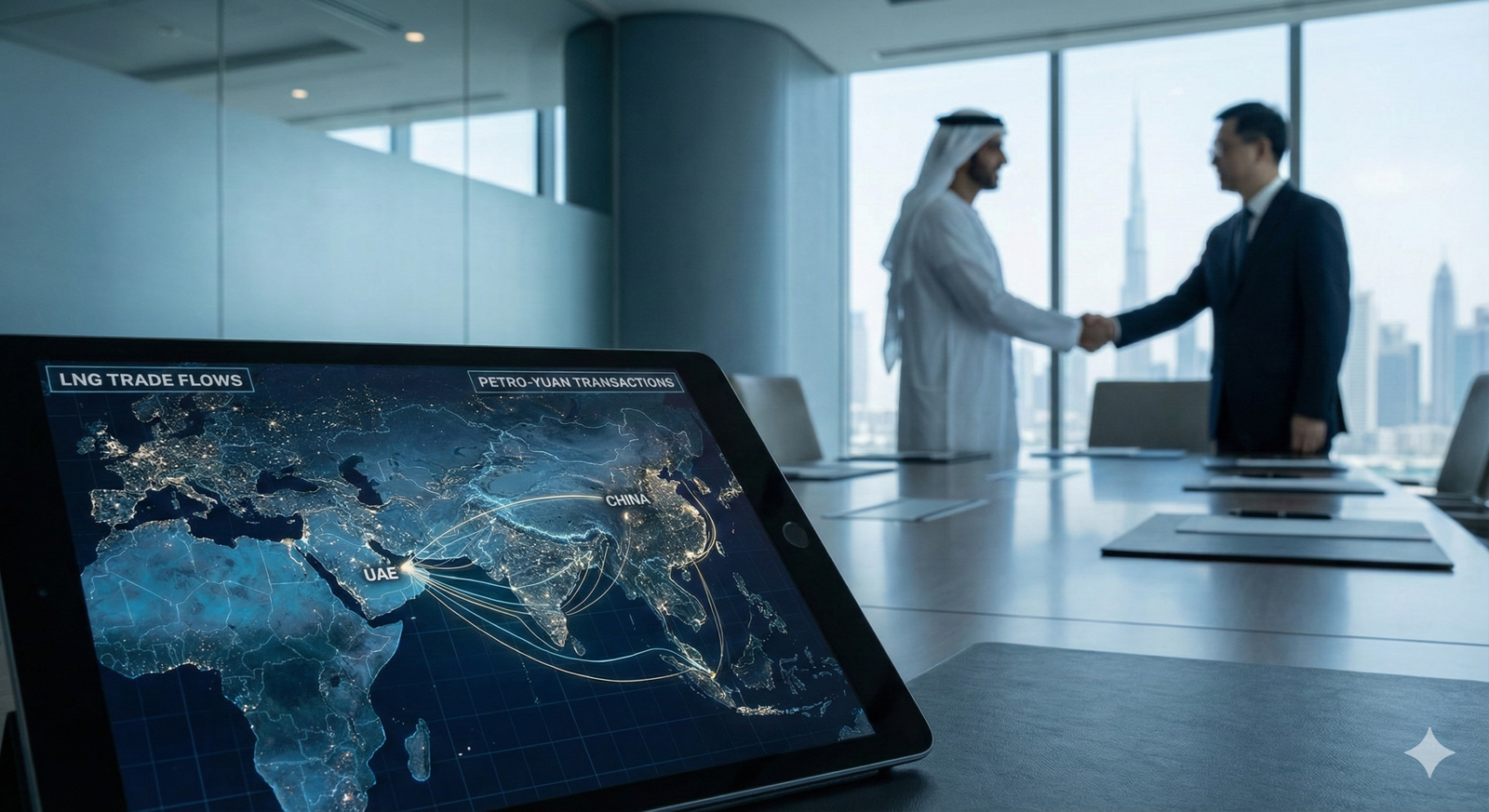
The major trend of 2026 is “Direct Investment.” Family offices in Dubai and Riyadh are bypassing the fees of global asset managers to acquire stakes directly in high-growth startups.
“We are seeing a surge in ‘Club Deals’,” notes a senior partner at a DIFC law firm. “Three or four powerful local families will band together to buy 20% of a Silicon Valley AI firm or a Bangalore med-tech unicorn. They have the capital, they have the sophistication, and they don’t want to pay a ‘2-and-20’ fee structure to a middleman in New York.”
DIFC: The New Global Vault
Recognizing this shift, the UAE government has moved fast to keep this capital onshore. The expansion of the DIFC Family Wealth Centre in 2025 laid the groundwork for this influx.
New regulations introduced late last year allow for “Variable Capital Companies” (VCCs), a structure that gives family offices the flexibility of a hedge fund. As a result, 2026 has seen a record number of family offices migrating their legal domiciles from traditional havens like Jersey and the Cayman Islands to Dubai and Abu Dhabi.
The Risk of the “Tech Trap”
However, wealth managers warn that this rush to technology is not without peril. The GCC family wealth transfer 2026 coincides with a global valuation bubble in AI assets.
“There is a danger of ‘FOMO’ (Fear Of Missing Out),” warns an investment strategist at a Swiss private bank in Dubai. “Grandfather’s building might be boring, but it survives a recession. A Series B AI startup might go to zero. The challenge for the Third Generation is to balance their hunger for growth with the preservation of the legacy.”
What This Means for the Region
For the broader Middle East economy, this shift is positive. It means that the region’s massive capital reserves are finally being deployed into innovation rather than just infrastructure.
We are seeing GCC families leading funding rounds for local startups, effectively creating a homegrown Venture Capital ecosystem that didn’t exist five years ago.
As we move deeper into 2026, the skylines of Dubai and Riyadh will still stand tall. But the real wealth of the region is no longer in the concrete—it is in the cloud.