







The design phase is over. With the official issuance of main construction tenders this month, the Kingdom’s most ambitious logistics project, a 1,500km rail link from the Red Sea to the Arabian Gulf, is moving from paper to reality.
For decades, the logistics map of the Arabian Peninsula has been defined by a single, expensive constraint: geography. Shipping goods from the Red Sea to the Arabian Gulf meant a perilous, week-long voyage around the southern tip of the peninsula, navigating the geopolitical choke points of the Bab el-Mandeb and the Strait of Hormuz.
In 2026, the Kingdom of Saudi Arabia has officially signaled the end of that dependency.
This week, the Saudi Landbridge Project 2026 entered high gear as the Saudi Railway Company (SAR) issued the final main construction tenders. The project, often dubbed the “Iron Silk Road,” is a logistical game-changer that will physically link Jeddah in the West to Dammam and Jubail in the East via a high-speed freight network.
The significance cannot be overstated: Saudi Arabia is transforming from a country reliant on shipping lanes to a country that replaces them.
The “Iron Silk Road” Finally Breaks Ground
The Saudi Landbridge Project 2026 is not merely a railway; it is the central artery of Vision 2030’s National Transport and Logistics Strategy. While a railway already exists between Riyadh and the Eastern Province (Dammam), there has never been a rail connection across the vast desert expanse between the capital and the Red Sea coast.
The newly issued 2026 tenders cover the construction of this critical “missing link”, a 950-kilometer double-track line connecting Riyadh to Jeddah.
“This is not just about moving containers; it is about sovereignty and speed,” says Dr. Faisal Al-Harbi, a senior logistics analyst based in Riyadh. “By connecting Jeddah Islamic Port to King Abdul Aziz Port in Dammam by rail, cargo can traverse the peninsula in under 12 hours instead of 5 to 7 days by sea. It effectively turns the Saudi Landbridge Project 2026 into a massive dry canal between East and West.”
The Route: Mapping the 1,500km Network
The scope of the Saudi Landbridge Project 2026 is massive, comprising nearly 1,500 kilometers of new and upgraded tracks. The network consists of six key sections that are now active in the tender or construction phase:

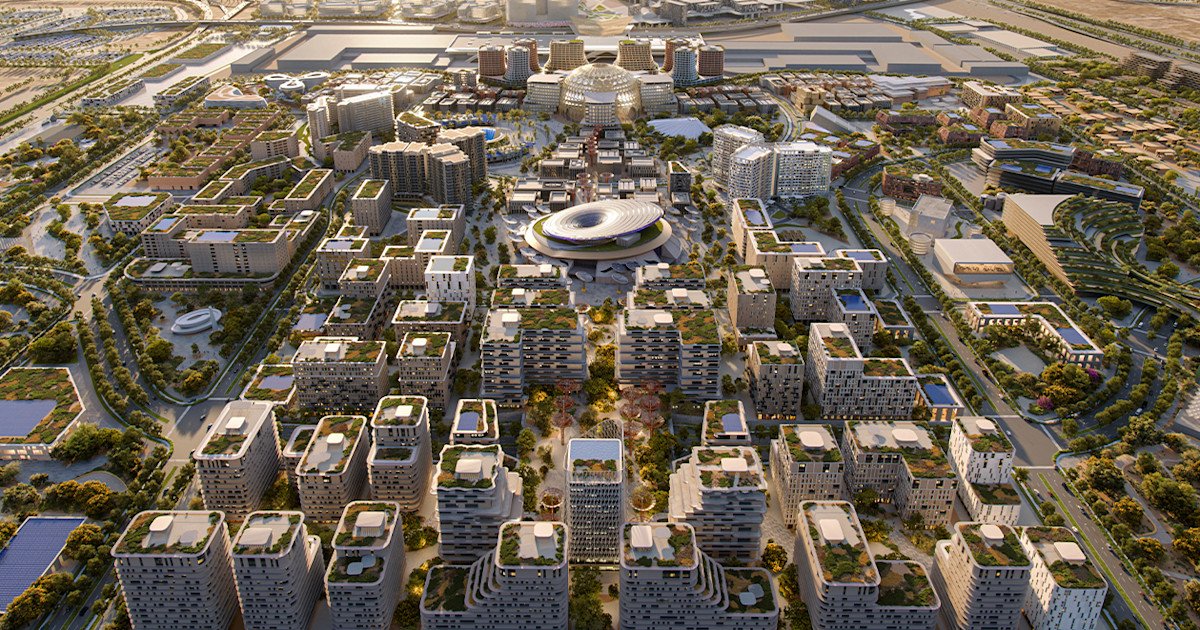
- The Mainline (950 km): The new heavy-haul line connecting Riyadh to Jeddah and King Abdullah Port.
- The Eastern Upgrade (115 km): A new dedicated line connecting Dammam to the industrial hub of Jubail.
- The Western Extension (172 km): Connecting King Abdullah Port to Yanbu Industrial City.
- The Riyadh Bypass: A 102 km diversion (split into 67km and 35km packages) to route heavy freight around the capital rather than through it.
Once completed, this network will allow a shipping container unloaded in Jeddah to reach a factory in Jubail without ever touching a truck or a ship.
The Consortium: China Takes the Lead
While the construction tenders are fresh, the strategic partnerships have been solidified over years of negotiation. The Saudi Landbridge Project 2026 is being spearheaded by the Saudi China Landbridge Consortium (SLCC), a strategic joint venture involving SAR and the China Civil Engineering Construction Corporation (CCECC).
This partnership underscores the geopolitical weight of the project. For China, the Saudi Landbridge Project 2026 is a critical node in its Belt and Road Initiative, offering a secure alternative route for its exports to reach European markets without passing through the volatile southern Red Sea corridors.
In late 2025, the consortium finalized the design phase, which involved complex engineering solutions to handle the shifting sand dunes of the Empty Quarter.
Economic Impact: The Logistics Zones
The rail line itself is merely the spine; the muscle comes from the seven new logistics centers being built along the route.
Investments are pouring into “Dry Ports” in Riyadh, King Abdullah Economic City (KAEC), and Jubail. These zones will allow customs clearance to happen inland, drastically reducing congestion at the coastal ports.
“For a logistics company, time is inventory,” notes the Operations Director of a major global shipping firm in Jebel Ali. “If the Saudi Landbridge Project 2026 timeline holds, we can offer our clients a ‘Sea-Air’ product that is significantly cheaper than pure air freight and significantly faster than pure sea freight. It creates a new middle tier in the global supply chain.”
The project is estimated to save the Kingdom over $4.2 billion annually in transportation costs and generate roughly 200,000 jobs in the logistics and support sectors.
The Passenger Bonus: Riyadh to Jeddah in 4 Hours?
While primarily a freight project designed to move millions of tonnes of cargo, the Saudi Landbridge Project 2026 has a passenger component that is generating excitement. The new tracks are designed to accommodate passenger trains traveling at speeds of up to 250 km/h.
This opens up the possibility of a “Red Sea to Gulf” service. Current projections suggest that travel time between Jeddah and Riyadh, currently a 10 to 12-hour drive, could be slashed to just under 4 hours.
This would revolutionize domestic tourism, allowing a family in Dammam to easily visit the Red Sea resorts for a weekend, or a pilgrim in Riyadh to reach Mecca (via the Jeddah connection) with unprecedented ease.
Read More: The Riyadh Rush: Why Foreign Investors Are Targeting Al Malqa in 2026
Engineering Challenges: Sand and Heat
Constructing 950 kilometers of high-speed rail through some of the harshest desert terrain on earth is an engineering nightmare.
The Saudi Landbridge Project 2026 construction teams face the challenge of shifting sand dunes, which can bury tracks in hours. The tenders specify advanced “Sand Mitigation” technologies, including raised embankments and vegetation belts, similar to those used successfully on the Haramain High-Speed Railway.
Furthermore, the “Riyadh Bypass” section requires complex viaducts and civil works to thread the railway through the growing metropolis without disrupting the existing urban fabric.
The 2030 Deadline and Vision
The clock is ticking. With the construction tenders now live, the consortium is racing against a tight deadline to have the line operational by 2030, coinciding with the culmination of the Kingdom’s Vision 2030 goals.
As the first excavators break ground in the desert west of Riyadh later this year, the world’s shipping giants will be watching closely. The Saudi Landbridge Project 2026 is proving that the map of Middle East trade is being redrawn, not with ink, but with steel.