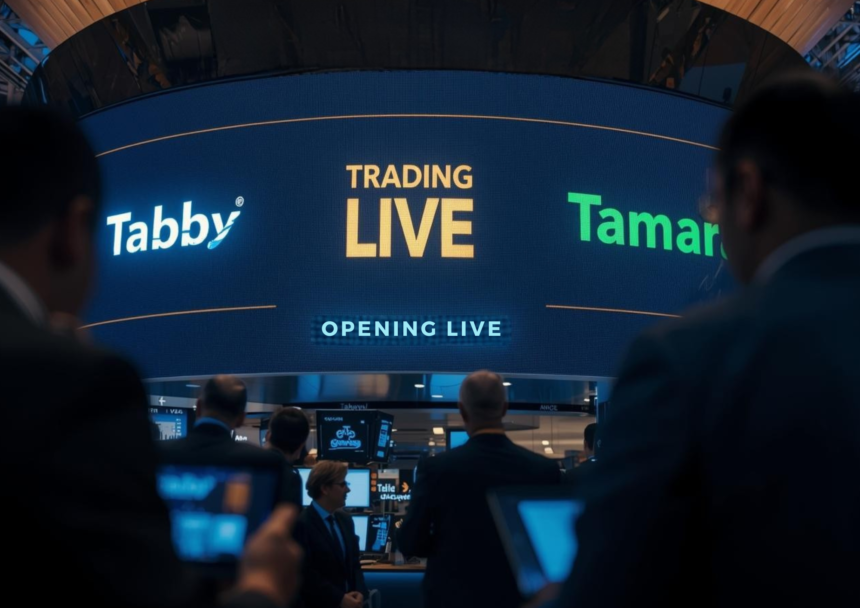








The wave of state-backed listings on the ADX and DFM is not just about raising capital; it’s a deliberate strategy to attract global institutional investment and deepen local market liquidity.
DUBAI — The recent flood of high-profile Initial Public Offerings (IPOs) on the Abu Dhabi Securities Exchange (ADX) and the Dubai Financial Market (DFM) represents more than just a passing market trend. It is the visible outcome of a deliberate, high-level government mandate to fundamentally reshape the capital structure of the UAE economy.
The listings of entities like DEWA, ADNOC Drilling, and Salik assets once exclusively state-owned are central to this “IPO Supercycle.” For policymakers, this wave is a crucial mechanism for driving liquidity, attracting Foreign Direct Investment (FDI), and ensuring fiscal resilience in the next decade.
The Strategic Mandate: Attracting Global Institutional Capital
For international institutional investors, the decision to invest hinges on two factors: Scale and Access.
- Scale: By listing large, foundational assets like utility providers and infrastructure operators, the UAE immediately creates market depth. These are “Blue Chip” stocks that attract large global funds (like pension funds and sovereign wealth managers) who require stable, massive entities to invest in.
- Access: The privatization drive forces transparency and global governance standards onto these state-backed entities. Listing on the ADX and DFM, often with dual international tranches, signals confidence in local regulatory frameworks and reduces perceived political risk for foreign investors.
The IPO cycle is, therefore, a strategic lever to elevate the local stock exchanges from regional hubs to major global financial centers, directly competing with London and New York for investor capital.
Deepening Local Liquidity
The supercycle has a powerful internal effect as well: Deepening Local Liquidity.
The influx of capital from IPOs makes the markets more liquid and efficient, reducing volatility and making subsequent listings more successful. This encourages smaller, privately-owned enterprises to eventually list, further diversifying the market away from reliance on purely government-linked entities.
The structure of the offerings often includes generous allocations for local retail investors, fostering a culture of long-term local investment and giving the population a direct stake in the nation’s success, a core element of the “shared national responsibility” discussed by leaders like H.E. Dr. Abdullah.
Beyond the Price Tag
For financial analysts, the immediate focus is on the stock performance. But for policymakers and long-term strategic investors, the true success of this IPO wave is measured in structural impact.
The listing of these national champions is not just about the money raised; it’s about signaling to the world that the UAE’s future is built on transparency, global standards, and open markets. This strategic mandate ensures that the UAE capital markets remain the engine of growth for the ambitious D33 agenda and beyond.