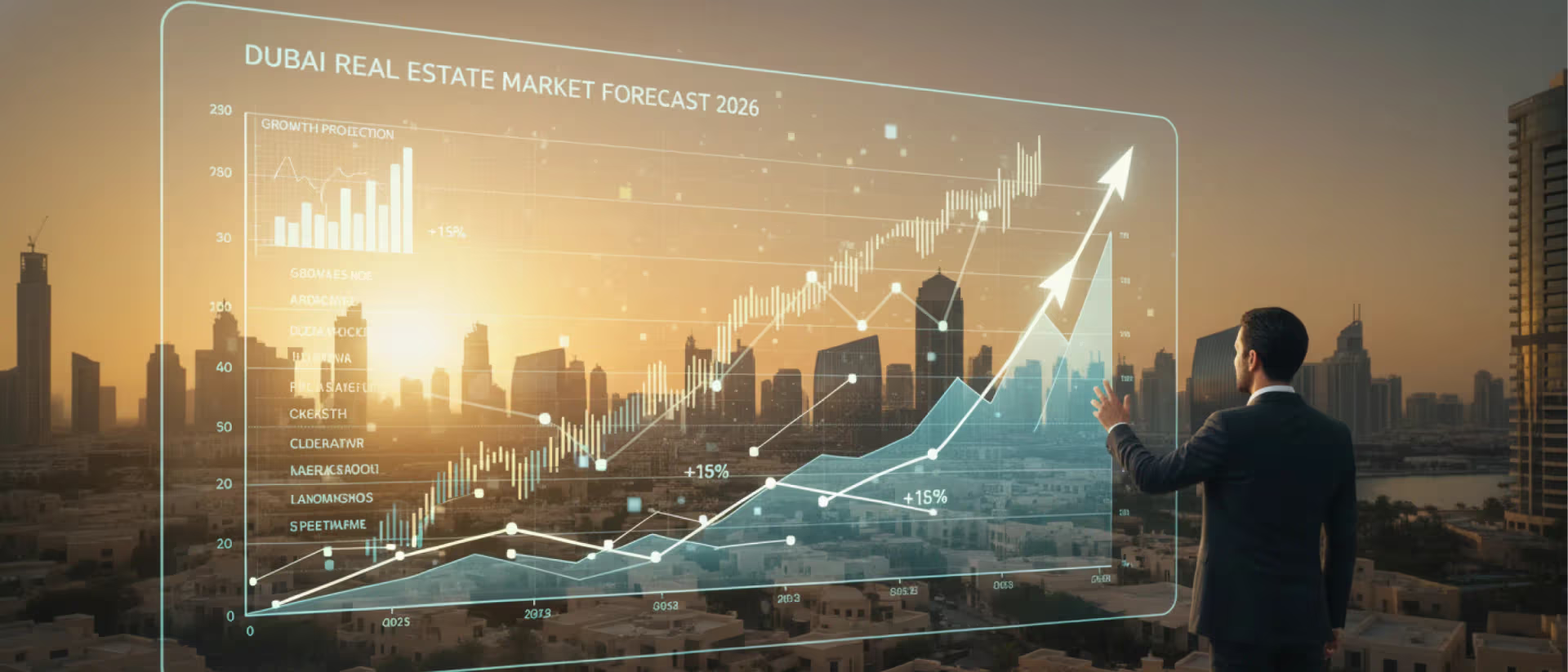






The window to buy ‘undervalued’ property in Dubai is closing. From the Al Maktoum Airport expansion to the Blue Line Metro route, we analyzed the data to find the 5 neighborhoods poised for the highest capital appreciation in 2026.
The End of the “General” Bull Run
For the past three years, the strategy for investing in Dubai real estate was simple: buy anything, anywhere, and watch it grow. From 2022 to 2025, a rising tide lifted all boats. But as we step into 2026, the market has matured. We are shifting from a “General Bull Run” to a “Corridor-Based Market.”
- The window to buy ‘undervalued’ property in Dubai is closing. From the Al Maktoum Airport expansion to the Blue Line Metro route, we analyzed the data to find the 5 neighborhoods poised for the highest capital appreciation in 2026.
- The End of the “General” Bull Run
- 1. The ‘Airport’ Play: Dubai South (The Next Downtown?)
- 2. The ‘Blue Line’ Beneficiaries: Silicon Oasis & International City
- 3. The ‘Casino’ Halo Effect: Maritime City & RAK Borders
- 4. By The Numbers: 2026 Rental Yield vs. Appreciation Forecast
- 5. The New Rules for Landlords in 2026
Prices in established luxury hubs like Palm Jumeirah and Downtown have stabilized, offering steady but slower growth. The massive 20%+ ROI opportunities have moved. They are no longer in the center; they are on the edges of the new infrastructure spines.
With the government aggressively fast-tracking the Dubai Metro Blue Line and the Al Maktoum International Airport (DWC) expansion, a new “Golden Corridor” has emerged. Investors who position themselves here in Q1 2026, before these projects hit major milestones, stand to see the highest gains.
We broke down the numbers, the infrastructure maps, and the rental yield forecasts to bring you the definitive investment roadmap for 2026.
1. The ‘Airport’ Play: Dubai South (The Next Downtown?)
For a decade, Dubai South was promised as the “city of the future.” In 2026, that promise is finally quantifiable. With the official announcement that DWC will transition to becoming the world’s primary aviation hub, the surrounding residential districts have shifted from “remote” to “strategic.”
- The Catalyst: The government’s confirmation of the transition timeline for Emirates Airline to move operations to DWC.
- The Investment Case: Currently, price-per-square-foot in Dubai South is significantly lower than Business Bay or Marina. However, with thousands of aviation staff, logistics executives, and support crew needing housing near the new hub, rental demand is projected to spike by 15-18% in late 2026.
- The Strategy: Look for “off-plan” resale units in Emaar South or The Pulse. These assets are currently undervalued relative to the infrastructure being built around them. You are essentially buying “future prime” real estate at “current remote” prices.
2. The ‘Blue Line’ Beneficiaries: Silicon Oasis & International City
The announcement of the Blue Line Metro was the single biggest real estate catalyst of late 2025. Now, in 2026, as construction becomes visible, we are seeing the “infrastructure premium” take effect.
Historically, properties within 500 meters of a Metro station in Dubai command a 15-20% rental premium over unconnected units.
- Dubai Silicon Oasis (DSO): Once seen as a budget-friendly suburb for tech workers, DSO is about to become a connected urban hub. The incoming metro station will solve the area’s biggest drawback: connectivity to Sheikh Zayed Road.
- 2026 Forecast: Expect a surge in demand from young professionals who can now commute to DIFC without a car. 1-bedroom apartments near the proposed station sites are the “hot ticket” item.
- International City: Known for affordable living and high rental yields, this area has suffered from traffic congestion. The “Y-junction” interchange of the Blue Line will transform accessibility.
- The Yield Play: International City already offers some of the highest gross yields in Dubai (often 8-9%). The Blue Line will likely compress these yields slightly as capital values rise, but total ROI (Yield + Appreciation) will lead the market.
3. The ‘Casino’ Halo Effect: Maritime City & RAK Borders
While the gaming resort is located in Ras Al Khaimah (RAK), the “Halo Effect” is spilling over into Dubai’s northern waterfronts.
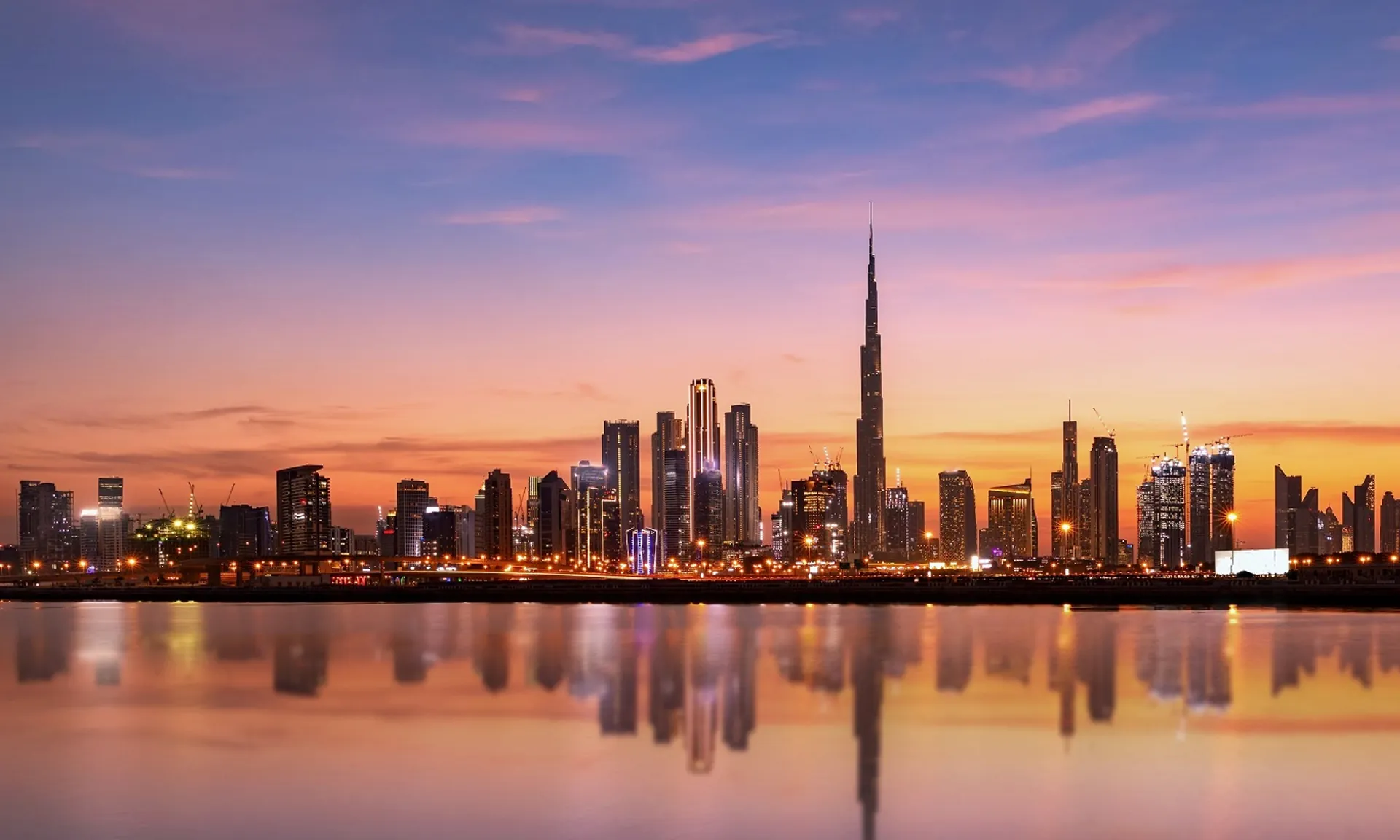
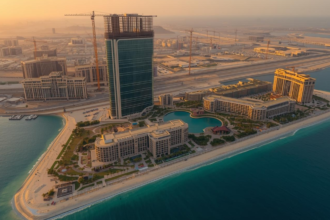
- Dubai Maritime City (DMC): This peninsula, jutting out near Port Rashid, has quietly developed into a luxury enclave. It offers freehold status, sea views, and proximity to both Old Dubai and the future gaming tourism traffic coming from the north.
- Why 2026? Infrastructure works are nearing completion. As the towers are handed over, the realization of DMC’s “Miami-style” potential is hitting the market. It is the closest freehold waterfront district to the airport and the northern emirates.
- The RAK Angle: Smart Dubai investors are also diversifying into Ras Al Khaimah. With the resort opening edging closer, residential units on Al Marjan Island have seen massive appreciation. The spillover demand is now boosting Mina Al Arab. If you missed the Marjan boat, Mina Al Arab is the secondary play.
4. By The Numbers: 2026 Rental Yield vs. Appreciation Forecast
We analyzed data from leading consultancies to project the performance of key districts in 2026.
| District | Est. Rental Yield (Net) | Proj. Capital Appreciation (2026) | Best For… |
| Dubai South | 6.5% – 7.2% | High (12-15%) | Long-term Growth Investors |
| Silicon Oasis | 7.0% – 7.8% | Medium-High (10-12%) | Mid-Budget Investors |
| Business Bay | 5.5% – 6.2% | Stable (4-6%) | Safe, Steady Income |
| Int. City | 8.5% – 9.2% | Medium (8-10%) | Cash Flow / High Yield |
| Palm Jebel Ali | N/A (Off-Plan) | Speculative High | Ultra-High Net Worth |
(Note: These figures are projections based on Q1 2026 market sentiment and infrastructure timelines.)
5. The New Rules for Landlords in 2026
Investing is not just about where you buy, but how you manage. 2026 brings new considerations for landlords:
- Short-Term vs. Long-Term: With tourism numbers hitting record highs (targeted 40 million guests by 2031), the Holiday Home (Airbnb) market in “experiential” areas like Dubai Creek Harbour is outperforming annual leases by 20-30%. However, in family areas like Silicon Oasis, the stability of long-term tenants remains king.
- The “Green” Premium: Tenants in 2026 are increasingly asking about utility costs. Buildings with “Green Key” certification or district cooling efficiencies are seeing faster occupancy rates. The energy efficiency of your unit now directly impacts its “rentability.”
- Digital Payment Adoption: The Direct Debit System (DDS) for rent collection has largely replaced post-dated cheques. Landlords who insist on physical cheques are finding themselves at a disadvantage compared to flexible, tech-savvy owners.
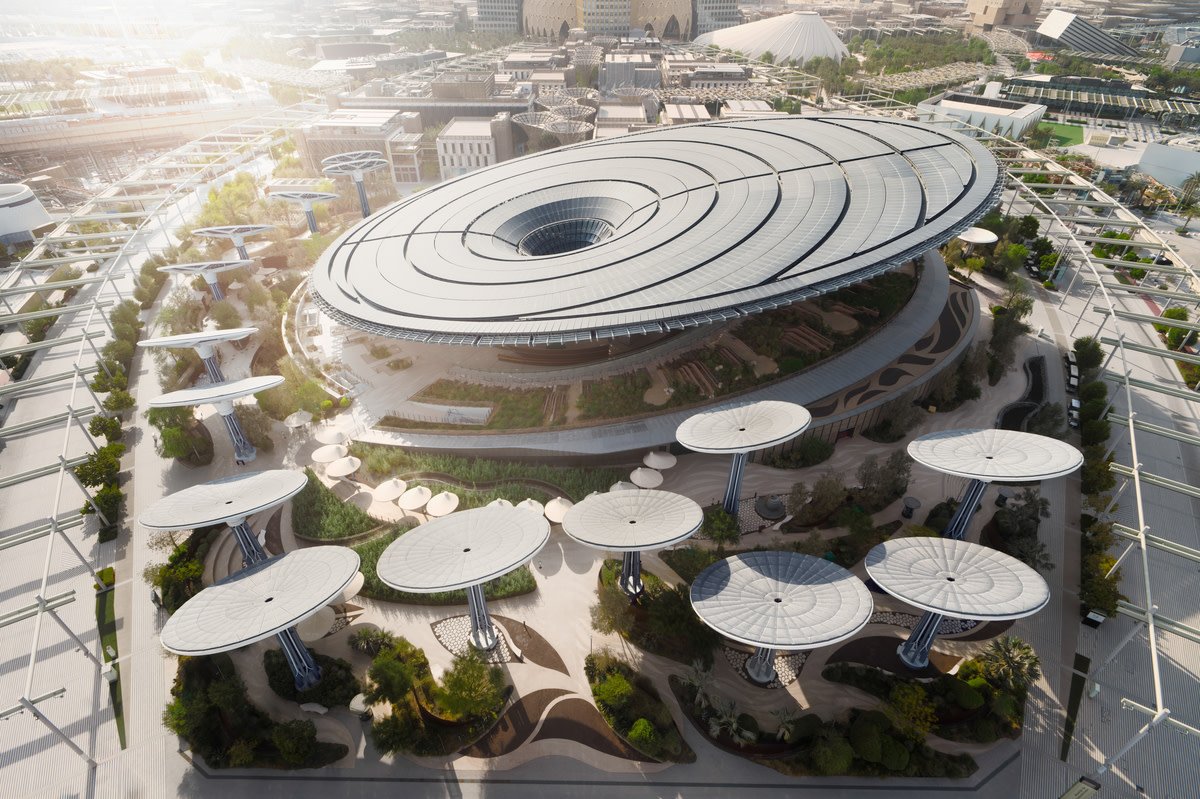
The “Golden Corridor” of 2026, stretching from the Blue Line route in the east down to the Airport/Expo district in the south, is where the smart money is moving.
These areas are currently priced as “secondary locations.” But infrastructure changes geography. By the time the first Blue Line test train runs, or the first major fleet transfer happens at Al Maktoum Airport, today’s prices will look like a bargain.
The advice for 2026? Don’t follow the crowd to the finished landmarks. Follow the cranes to the future infrastructure.