







The Middle East’s tourism sector in 2025 is undergoing a profound transformation, driven by a strong commitment to sustainability. As global travelers become more eco-conscious, regional destinations are aligning their tourism strategies with environmental stewardship and cultural preservation. This shift reflects an ambition not only to attract visitors but also to ensure that tourism contributes positively to the social, cultural, and environmental fabric of the host countries.
Green Aviation and Eco-Friendly Hospitality
The aviation sector, a central pillar of Middle East tourism, is enhancing sustainability through:
- Investment in greener fuels and fuel-efficient aircraft by airlines like Emirates and Etihad, aiming to reduce carbon footprints significantly.
- Carbon offset programs allowing travelers to mitigate their travel impact transparently.
- Hotel chains expanding eco-friendly programs, including water recycling, energy efficiency, and sustainable sourcing to earn green certifications.
These efforts have boosted traveler trust, particularly among Millennials and Gen Z, who prioritize ethical travel.
Authentic Cultural and Nature-based Experiences
Travelers increasingly seek genuine interactions with local heritage and natural landscapes, contributing to:
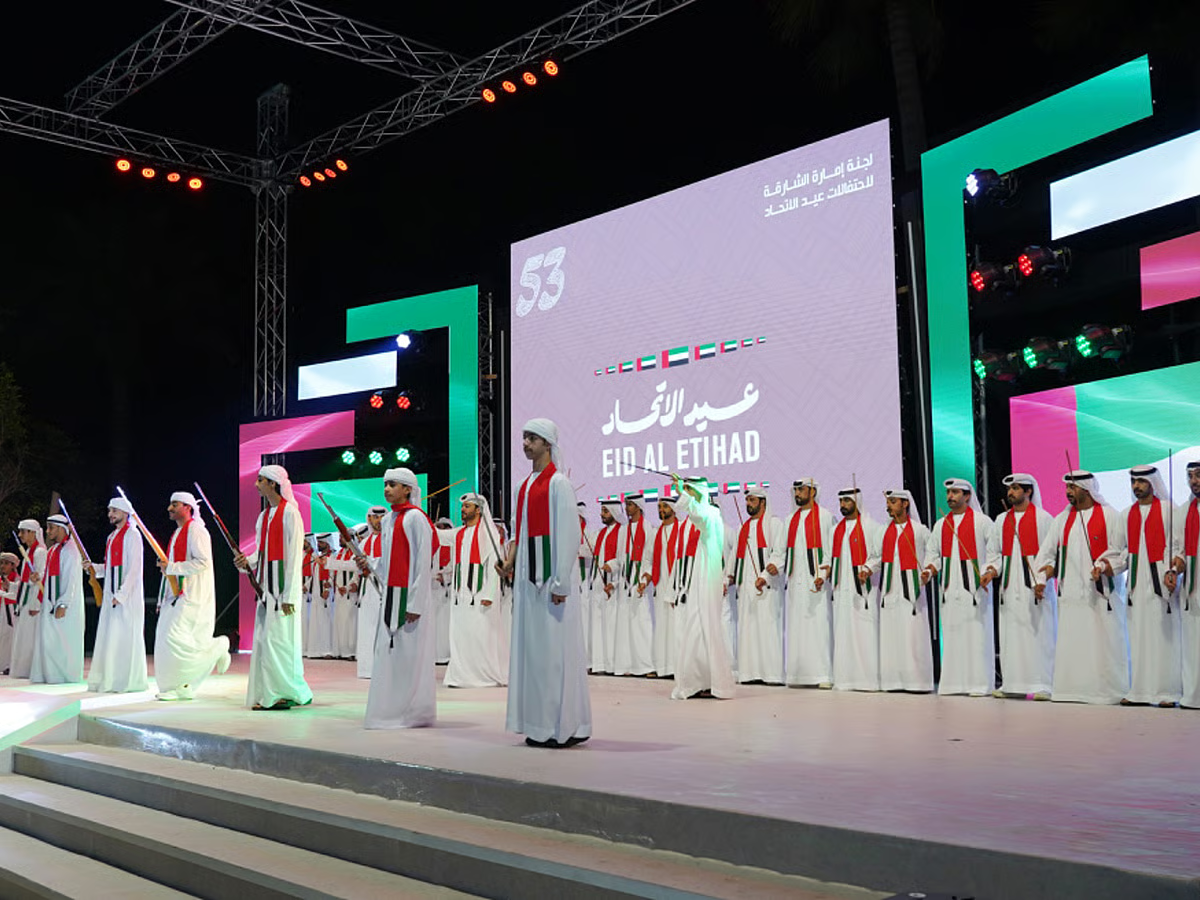
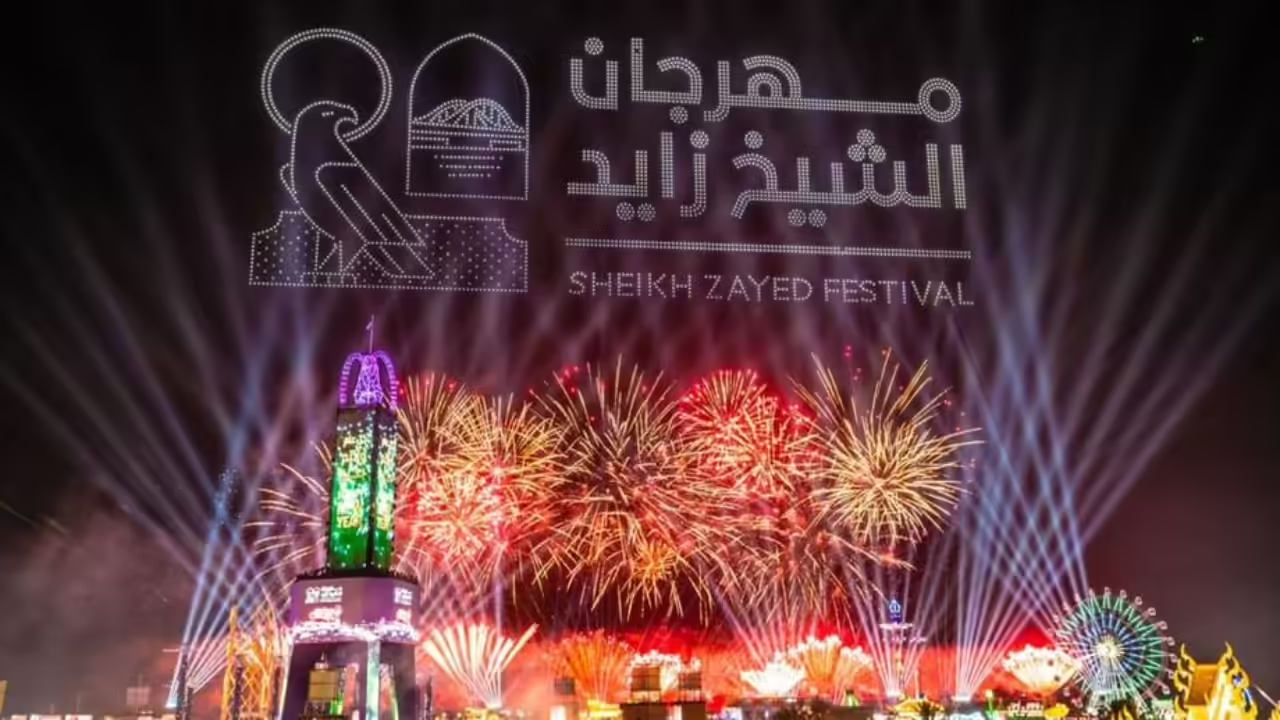
- Growth in cultural festivals celebrating indigenous traditions, crafts, and cuisine that help preserve local identity.
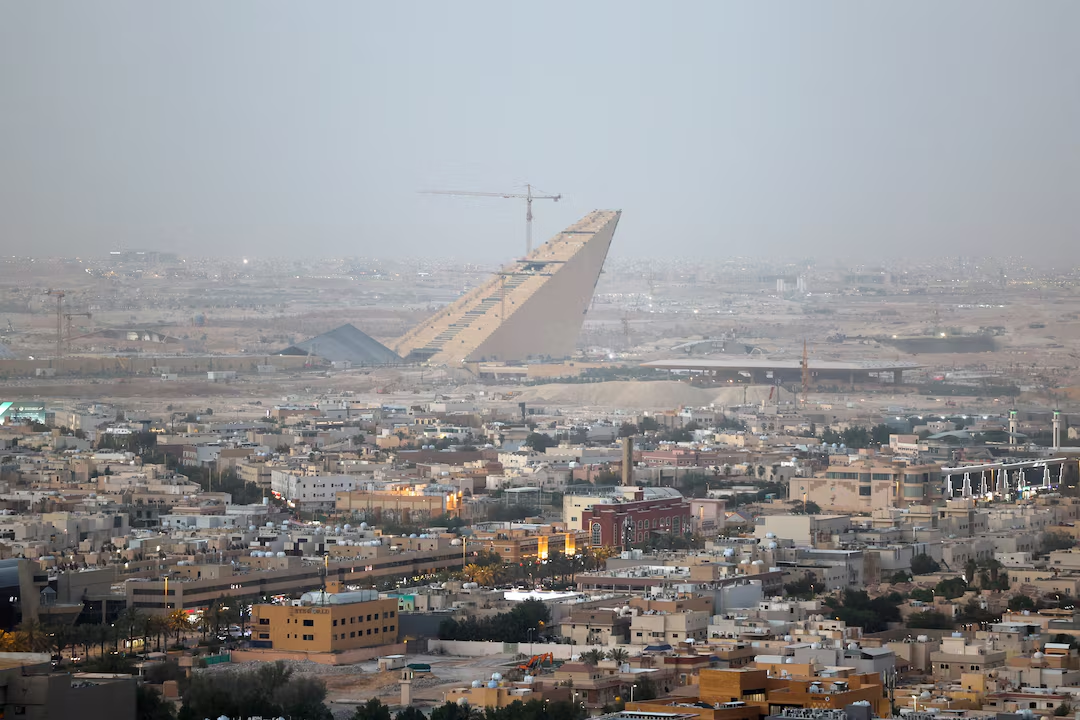
- Eco-tourism initiatives such as protected area tours along the Red Sea coast and heritage trail explorations in Saudi Arabia’s UNESCO sites.
- Community-based tourism where genuine interactions economically empower local populations.
This trend encourages destinations to balance visitor volume with conservation priorities.
Digital Innovation for Safety and Accessibility
Sustainability in tourism intersects with digital advancements to enhance safety, convenience, and inclusivity:
- Contactless check-ins, AI-powered crowd management, and health monitoring systems help mitigate health risks.
- Data analytics optimize resource utilization, minimizing waste in high-traffic tourist sites.
- Digital platforms facilitate accessible travel planning for individuals with disabilities and elderly travelers.
Dubai World Trade Centre’s Arabian Travel Market 2025 emphasized such innovations as critical to future-proofing the sector.
Collaboration and Policy Support
Sustainability is embedded into national and regional tourism policies focused on long-term resilience, including:


- Cross-border collaboration on green infrastructure and shared heritage preservation.
- Public-private partnerships fostering innovation in transport, accommodations, and attractions.
- Education and awareness campaigns engaging stakeholders from hotels to local communities.
These frameworks aim to embed sustainability across the travel value chain.
Frequently Asked Questions
Q1: How is tourism in the Middle East adapting to climate change?
By investing in renewable energy, green transport, and resilient infrastructure to mitigate environmental impacts.
Q2: How do cultural experiences contribute to sustainable tourism?
They preserve heritage, empower communities, and provide meaningful, low-impact visitor engagement.
Q3: What role does technology play?
It enhances visitor safety, optimizes operations, and opens access to diverse traveler segments.
Sustainable tourism in the Middle East in 2025 reflects a holistic approach combining ecological responsibility, cultural authenticity, and technological innovation. As destinations sharpen their strategies, the region is poised to lead by example in responsible travel — offering experiences that enrich visitors and protect communities and environments for generations.
The Telegraph Middle East will continue to report on sustainability trends and success stories, providing readers with insights into the evolving future of tourism in the region.