




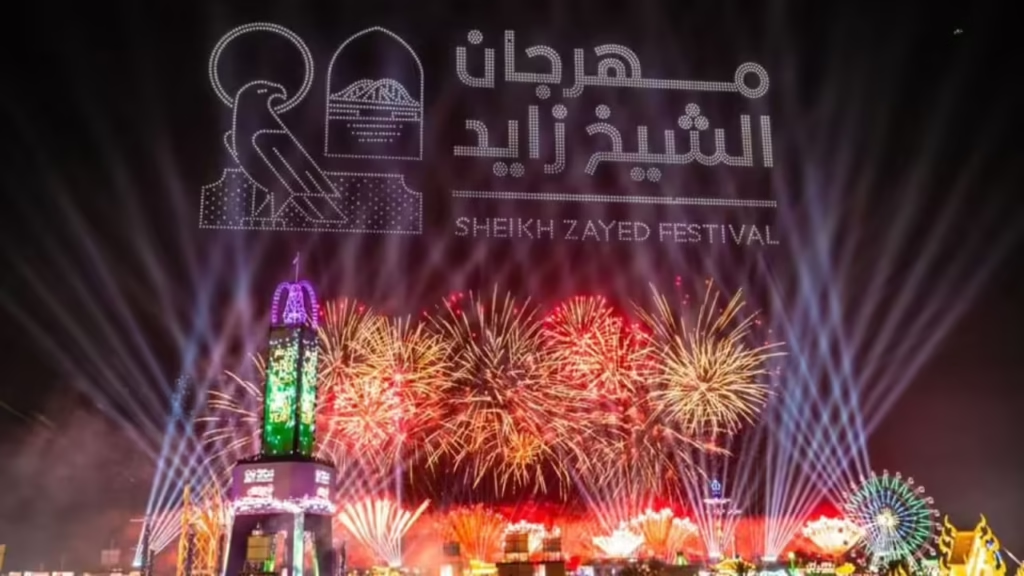

The United Arab Emirates is witnessing a vibrant resurgence of interest in traditional arts and crafts in 2025, as part of a culturally rich initiative to preserve and promote Emirati heritage. Through a mix of festivals, art workshops, and youth engagement programs, the UAE is actively bridging generations and blending history with contemporary creativity to ensure the survival and sustainability of its unique cultural identity.
Celebrating Heritage Through Festivals
One of the most significant cultural events this year is the 11th Traditional Handicrafts Festival held from November 1 to 20 at Souq Al Qattara in Al Ain, under the patronage of His Highness Sheikh Hazza bin Zayed Al Nahyan. The festival champions indigenous crafts including:
- Sadu weaving: Traditional Bedouin textile craftsmanship, showcased with live demonstrations and interactive workshops.
- Pottery and ceramics: Artisan potters recreate ancient Emirati designs using traditional techniques.
- Calligraphy and perfume blending: Visitors explore historic scripts and fragrances that tell stories of past generations.
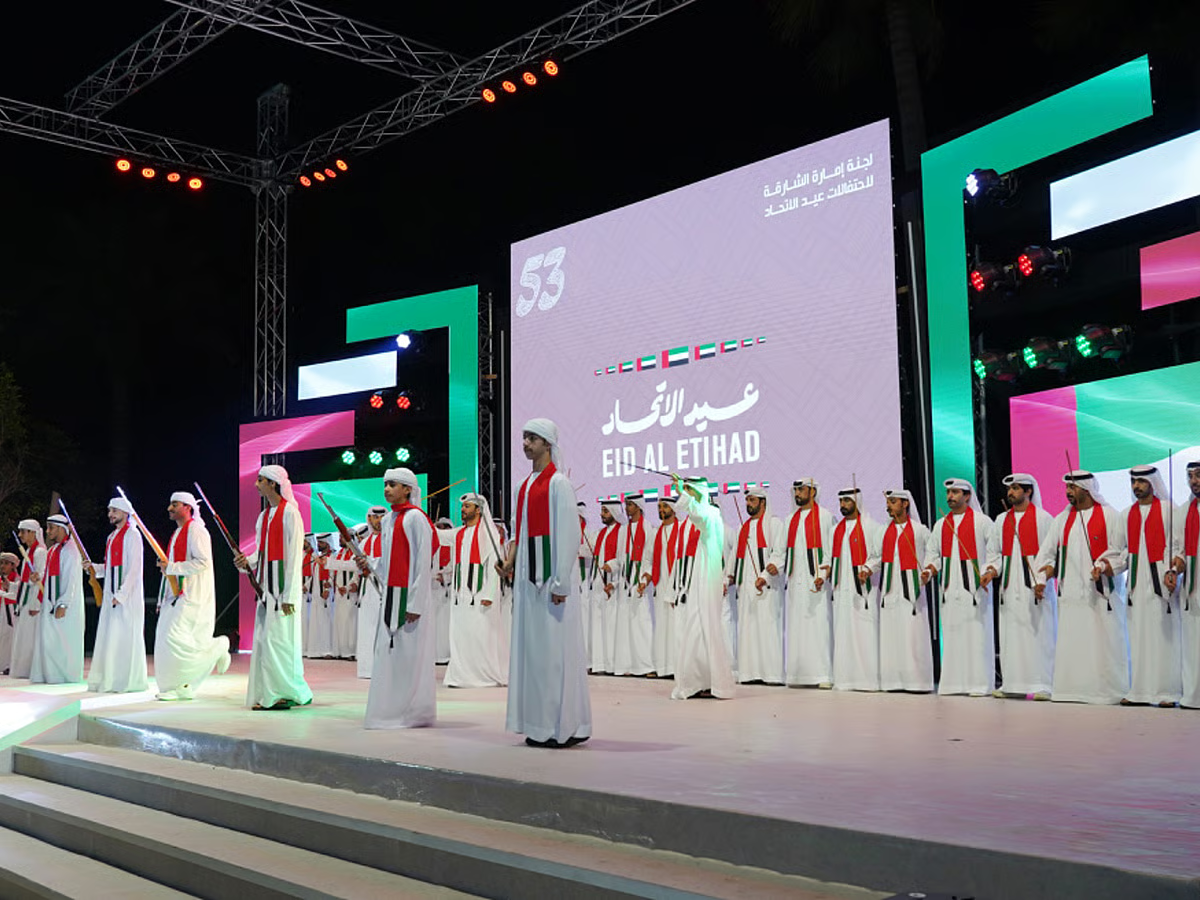
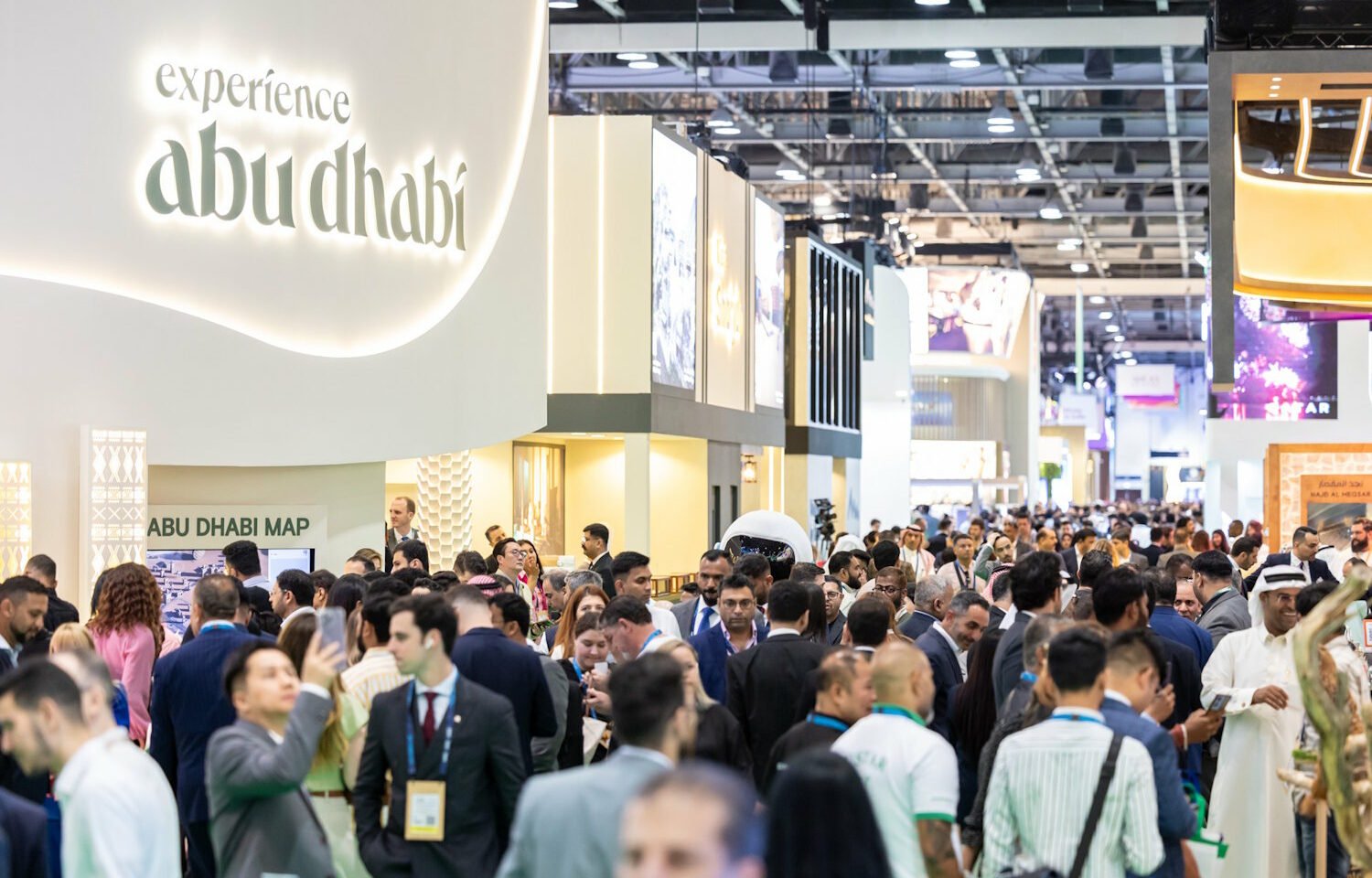
The festival not only displays craftsmanship but also hosts storytelling sessions, traditional performances, and culinary delights, creating a holistic cultural experience that draws locals and tourists alike.
Empowering a New Generation of Artisans
The revival of traditional arts is not confined to celebration; it is anchored in education and empowerment. Government programs and cultural authorities are investing in:
- Youth mentorships: Young Emiratis learn crafts directly from master artisans, combining hands-on training with digital documentation for wider dissemination.
- Innovation incubators: Emerging artists reinterpret traditional motifs within modern contexts, producing hybrid art forms that resonate with today’s audiences.
- Academic partnerships: Schools and universities integrate heritage arts into curricula, fostering appreciation among younger generations.
This educational approach helps safeguard invaluable skills and inspires contemporary cultural production.
Building Cultural Tourism and Community Identity
Traditional arts festivals are also a cornerstone of cultural tourism strategies. Places such as Al Ain Oasis and Al Jazirah Al Hamra Heritage Village are transformed with exhibitions, performances, and festivals like the RAK Art Festival that connect the desert’s natural beauty with human creativity. These events:
- Attract international visitors keen on authentic cultural experiences.
- Reinforce pride among Emiratis across the diaspora and at home.
- Provide economic opportunities for artisan communities, many of whom gain new markets through digital platforms.
Challenges and Opportunities in Preservation
While enthusiasm is high, the preservation of traditional arts faces challenges:
- Digital age distractions and urbanization threaten younger people’s interest in crafts.
- Commercialization risks diluting cultural authenticity without careful stewardship.
- Sustainability concerns require balancing increased tourism with conservation of heritage sites.
Authorities address these with strategies focusing on quality education, community involvement, and sustainable tourism development.


Frequently Asked Questions
Q1: What types of traditional arts are emphasized?
Weaving, pottery, calligraphy, perfume blending, metalwork, and leather crafts.
Q2: How does technology support heritage preservation?
By documenting techniques, enabling online workshops, and expanding market access via e-commerce.
Q3: Are such initiatives government-led or community-based?
They involve robust collaborations among government, artists, educators, and local communities.
The UAE’s 2025 push to revive traditional arts exemplifies a thoughtful fusion of tradition and innovation. Through immersive festivals, educational programs, and community engagement, the nation nurtures a living heritage that honors the past while inspiring future creativity.
The Telegraph Middle East will continue to showcase stories and developments highlighting the ongoing cultural renaissance, ensuring this rich legacy flourishes in the digital age.