



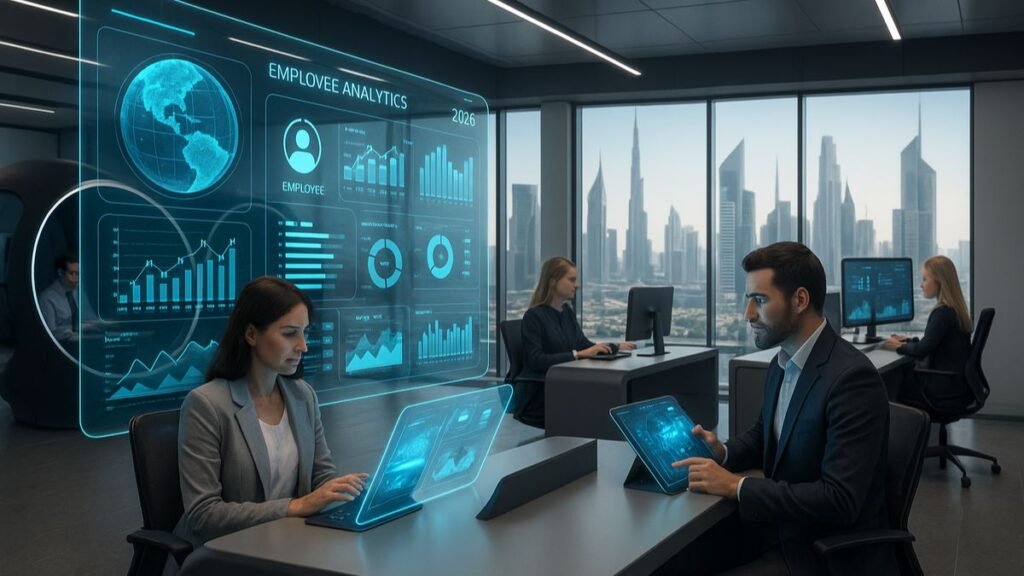

As hybrid work cultures take root across the UAE in 2025, professionals are rapidly adapting to new ways of working that blend remote flexibility with in-office collaboration. This shift, accelerated by technological advances and changing employee expectations, is reshaping workplace dynamics, requiring a renewed focus on digital skills, employee wellbeing, and productivity management.
The Emergence of Hybrid Work in the UAE
Post-pandemic, the UAE has witnessed a steady normalization of hybrid work models across private and public sectors. Many companies now permit employees to split their time between home and office, adapting policies to balance flexibility and operational efficiency.
- Reports show increased adoption of collaboration platforms like Microsoft Teams and Zoom.
- Companies invest in digital infrastructure to facilitate seamless work regardless of location.
Digital Skills: The Cornerstone of Hybrid Success
Mastering a core set of digital skills is critical for professionals to thrive in hybrid environments:
- Proficiency in cloud-based tools for communication, project management, and file sharing.
- Cybersecurity awareness to safeguard sensitive data while working remotely.
- Time management and self-discipline for maintaining productivity outside structured office settings.
- Adaptability to new apps and technologies as companies evolve digital strategies.
Training programs and upskilling initiatives sponsored by employers and government bodies are helping workers bridge these skill gaps.
Balancing Productivity with Wellbeing
Hybrid work introduces both advantages and challenges related to mental health and work-life balance:
- Flexibility allows for reduced commuting stress and better schedule management.
- However, blurring of work-home boundaries can lead to burnout without proper routines and support.
- Organizations are prioritizing employee wellness programs, virtual social connections, and clear communication norms.
Case Example: Dubai’s Smart Work Program
Dubai’s government-led Smart Work Program launched in 2024 aims to foster flexible work with a focus on lifelong learning and digital inclusivity. Participants report enhanced job satisfaction, citing access to skill development resources and mental health benefits.
Frequently Asked Questions
Q1: Are hybrid work models suitable for all industries?
While more prevalent in tech, finance, and professional services, hybrid models are progressively expanding across sectors.
Q2: How can employees stay productive remotely?
By establishing dedicated workspaces, clear schedules, and leveraging digital productivity tools.


Q3: What digital skills are essential for remote work?
Collaboration tools, cybersecurity basics, and digital communication etiquette are fundamental.
Adapting to hybrid work culture in the UAE is more than a structural shift—it is an evolution in professional skills, workplace culture, and employee wellbeing. Organizations and individuals embracing this change will gain a competitive edge in the increasingly digital global economy.
The Telegraph Middle East will continue exploring how evolving work trends impact careers and lifestyles across the region, delivering timely insights and practical guidance.