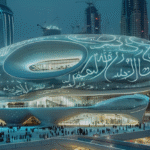



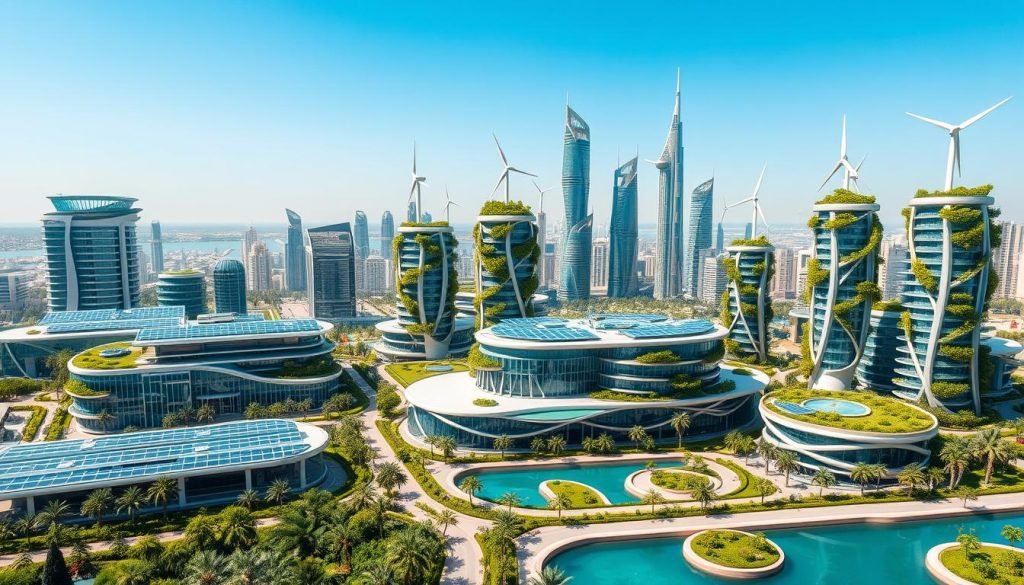

The Gulf region is witnessing a significant surge in the adoption of green building certifications in 2025, reflecting growing awareness and commitment towards sustainable construction. Countries including the UAE, Saudi Arabia, and Bahrain are integrating these certifications into building codes, incentivizing developers and architects to prioritize environmentally-responsible design.
Drivers Behind Green Building Growth
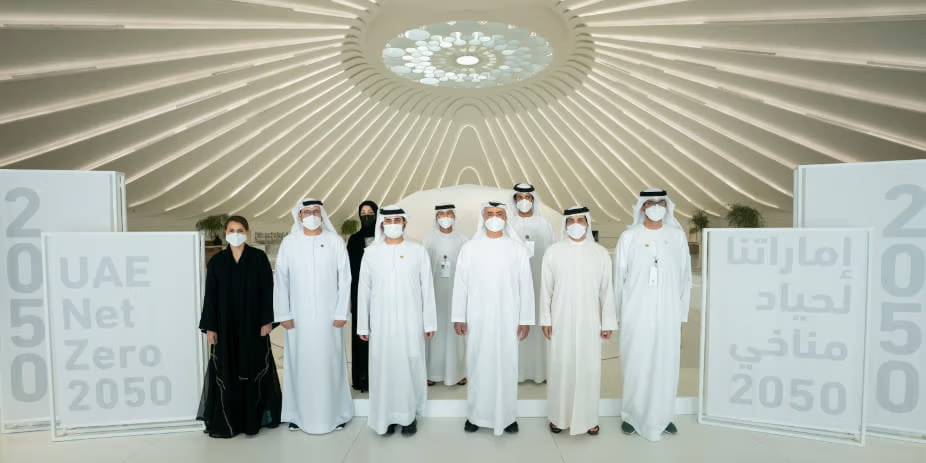
- Sustainability Goals: National agendas aiming for net zero emissions by 2050 position green buildings as critical contributors to reducing energy consumption and carbon footprints.
- Investor and Buyer Demand: Increasing demand from tenants and investors for eco-friendly, health-conscious spaces stimulates uptake of certification programs.
- Regulatory Push: Governments are incorporating certification standards like LEED, Estidama, and Pearl Rating System into mandatory compliance frameworks to elevate construction quality.
- Energy Cost Savings: Green buildings offer long-term operational cost reductions in utilities and maintenance, appealing to commercial and residential sectors alike.
Certification Programs in Focus
- LEED (Leadership in Energy and Environmental Design): Widely used across the Gulf, LEED certifications validate building efficiency, water conservation, and indoor air quality measures.
- Estidama (Abu Dhabi): A framework emphasizing energy, water, and waste efficiency tailored to regional climate conditions.
- Pearl Rating System (Dubai): Sets performance benchmarks for sustainability in urban planning, landscaping, and building systems.
Several high-profile projects now prominently feature these certifications, showcasing the feasibility and commercial value of green construction.
Case Examples of Green Projects
- Dubai Green Spine: A 64 km urban corridor integrating green spaces, renewable energy, and smart traffic management to reduce urban heat and congestion.
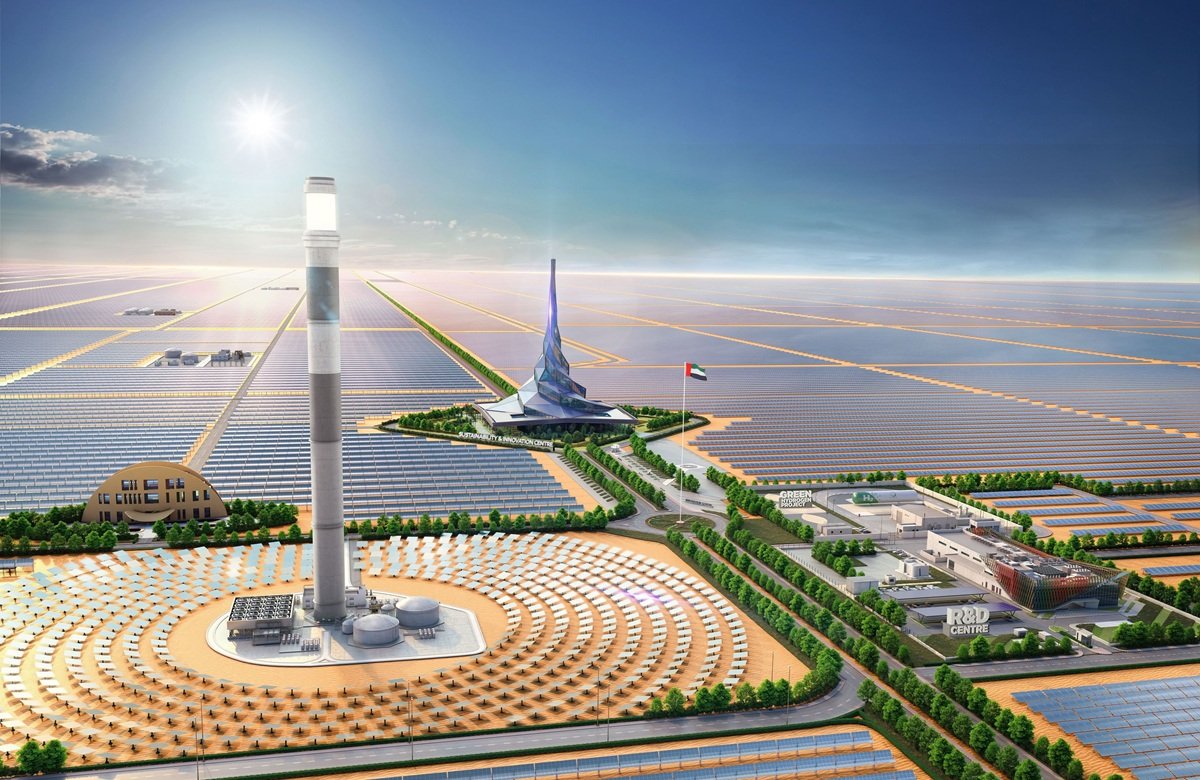
- Masdar City in Abu Dhabi: Continues to exemplify sustainable urban design with net zero energy buildings and advanced water recycling systems.
- King Abdullah Financial District (KAFD) in Saudi Arabia: Features LEED Platinum buildings fostering environmentally sound business operations.
Challenges and Prospects
- Cost and Expertise: Initial certification and design costs are higher, though offset by long-term savings.
- Technical Capacity: Growing demand fuels development of local expertise in green architecture and engineering.
- Awareness and Education: Increasing professional and public understanding supports adoption and best practices.
Market analysts anticipate 40% growth in certified projects by 2028, driven by technology advances and stricter policies.
Frequently Asked Questions
Q1: What benefits do green building certifications provide?
Improved energy efficiency, healthier environments, and enhanced asset value.
Q2: Are there government incentives for green buildings?
Yes, including expedited permit processes, tax reductions, and financial grants in some Emirates.
Q3: How can residents support green building initiatives?
By demanding sustainable features in homes and offices and engaging in energy-saving behaviors.
Green building certifications are accelerating the Gulf Region’s transition to sustainable urban development in 2025, blending environmental responsibility with economic and social value creation. Through collaborations among governments, developers, and communities, the journey towards greener cities is gaining momentum.
The Telegraph Middle East will continue tracking the evolution of sustainable construction practices, offering readers insights into innovative projects and regulatory changes shaping the region’s built environment.