





The era of the ‘Grand Tours’ has officially begun. With the pilot phase launching this December, we analyze how the Unified Tourist Visa will rewrite the region’s economic map and unlock a $200 billion tourism market by 2030.
For decades, the six nations of the Gulf Cooperation Council (GCC) have shared culture, religion, and economic ambition. Yet, for the international traveler, they remained distinct silos, separated by six different visa applications, six immigration queues, and six sets of bureaucratic hurdles.
This month, those walls begin to crumble.
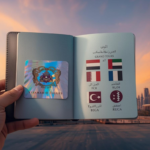
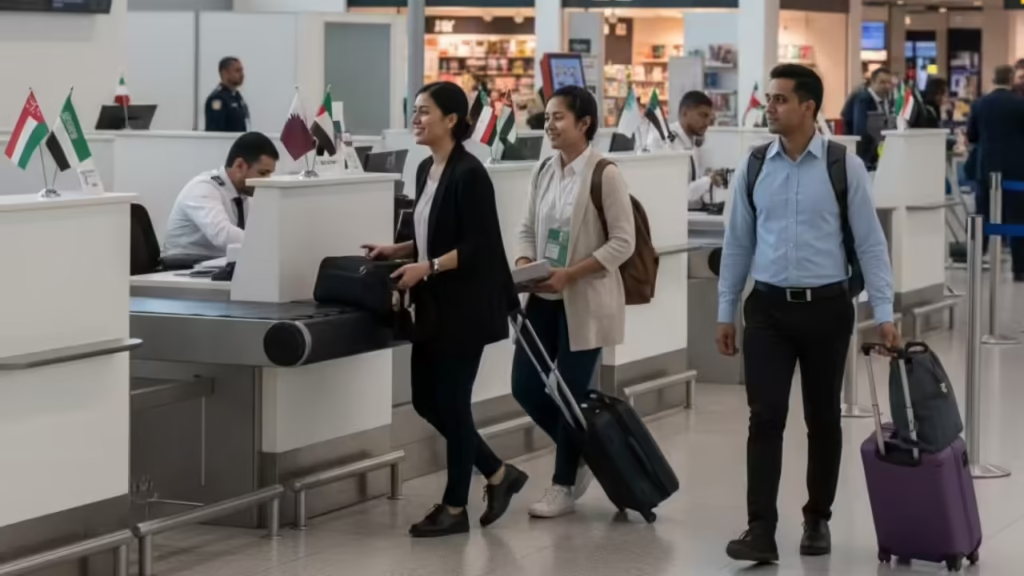
In a landmark move that mirrors Europe’s 1985 Schengen Agreement, the GCC has officially initiated the pilot phase of the Unified Tourist Visa (often dubbed the ‘Grand Tours Visa’) as of December 2025. The system, currently being trialed on select air routes between the UAE, Bahrain, and Saudi Arabia, promises a revolutionary “One-Stop” travel experience: clear immigration once, and the entire peninsula is yours to explore.
While the full rollout for international tourists is slated for late 2026, the implications of this pilot are immediate and profound. We analyze why this is the single most significant economic policy shift for the region since the discovery of oil.
The Mechanics: How the ‘One-Stop’ System Works
The new system fundamentally changes the logistics of regional travel. Under the pilot protocol effective this December, travelers on designated flights complete their security and immigration checks only at the point of departure.
Upon landing in the partner GCC country, they are treated as domestic arrivals, bypassing the traditional immigration hall entirely.
- The Goal: To reduce airport processing times by up to 50% and eliminate the friction of multi-country itineraries.
- The 2026 Vision: By the time the system opens to non-GCC nationals in 2026, a single digital application, costing an estimated $90–$130 (AED 330–480), will grant a 30-to-90-day entry permit valid across all six states.
The Economic Engine: Beyond Tourism
While “tourism” is in the title, the primary beneficiary may well be the corporate sector. The UAE’s economy, already projected to grow by 4.9% in 2025 and accelerated to 5.3% in 2026, is pivoting hard toward non-oil trade.
For the business traveler, the Unified Visa solves a critical pain point. “The friction of movement has always been a tax on trade,” notes regional analyst Dr. Ahmed Al-Futtaim. “A consultant based in Dubai can now attend a morning meeting in Riyadh and a dinner in Manama without the logistical nightmare of multiple visas. It effectively creates a single market of 60 million consumers.”

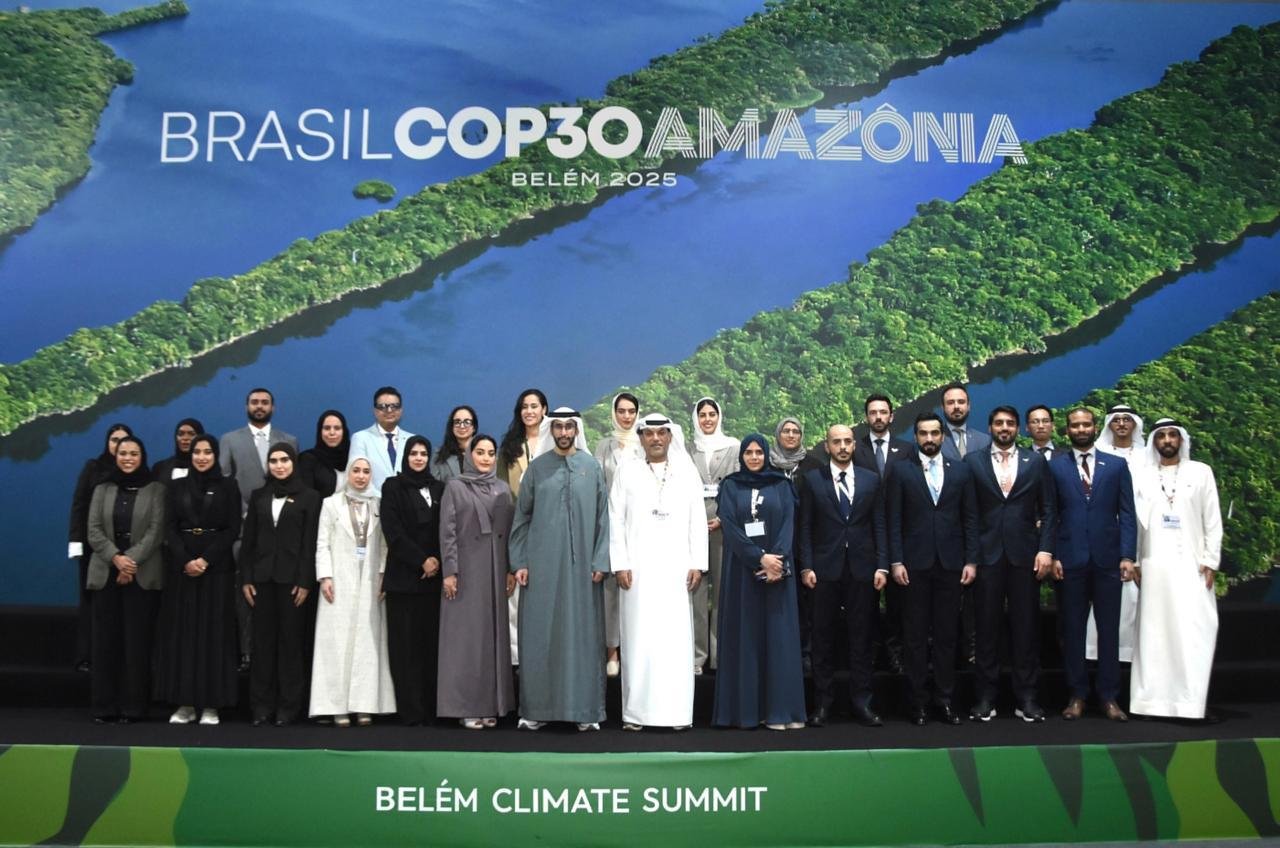

This fluidity is expected to boost the MICE (Meetings, Incentives, Conferences, and Exhibitions) sector, allowing mega-events like GITEX or FII Riyadh to spill over their economic benefits to neighboring capitals.
The ‘Grand Tour’ Strategy: Saudi Arabia Meets Dubai
The geopolitical synergy here is calculated. Saudi Arabia, with its giga-projects like NEOM and The Red Sea, needs the global footfall that currently lands in Dubai. Conversely, Dubai needs the “heritage and nature” extension that Saudi Arabia offers to keep tourists in the region longer.
- The New Itinerary: Instead of a 5-day trip to Dubai, the 2026 traveler is being sold a 14-day “Arabian Odyssey”: Shopping in Dubai, cultural immersion in AlUla, and relaxation in Oman’s Salalah, all on one ticket.
- The Numbers: Early forecasts suggest this bundling effect could increase average tourist spend per trip by 30-40% by 2027.
Challenges Remain: The Security Question
Despite the optimism, the rollout has faced delays, originally targeted for early 2025, due to the complexity of integrating six sovereign security databases. The “One-Stop” system requires absolute trust between member states. A security slip in Bahrain is now a security slip for the UAE. The current pilot phase is essentially a stress test of this digital infrastructure before the floodgates open to millions of international visitors in 2026.
As 2026 approaches, the message from the Gulf is clear: Competition is out; Collaboration is in. The Unified Visa is not just a travel document; it is a declaration of a unified economic bloc ready to rival the European Union in ease of doing business.
For the investor and the traveler alike, the Gulf is no longer a collection of countries. It is a continent.