






The legal firewall has fallen. As of January, the ‘Non-Saudi Property Ownership Law’ is fully operational. For the global investor, the question is no longer if they can buy in Riyadh, but where to buy for maximum yield.
For decades, the Saudi real estate market was a fortress, impenetrable to anyone without a GCC passport. While Dubai built its skyline on foreign capital, Riyadh remained a closed shop.
That era ended this morning.
With the executive regulations of the Non-Saudi Property Ownership Law taking full effect this January, the Kingdom has officially opened its prime residential and commercial zones to global buyers. The launch of the Saudi Properties (REGA) Portal allows non-Saudis to register title deeds digitally in under 60 minutes.
For early movers, the opportunity is stark: Riyadh today resembles Dubai in 2005, a high-growth capital on the verge of a supply crunch, offering capital appreciation that mature markets can no longer match.
The Law: What Changed in 2026?
The new framework is distinct from the old “Premium Residency” linkage. While you can still obtain a residency visa by buying property worth SAR 4 million, the new 2026 law decouples ownership from residency for general investors.
Foreigners can now own freehold property in designated “Investment Zones” across Riyadh, Jeddah, and Dammam. (Note: Mecca and Medina remain restricted to leasehold arrangements for non-Muslims, though Muslim expatriates now have expanded rights in the Holy Cities).
The government has also introduced a flat 5% Transaction Fee, significantly lower than the punitive taxes rumored last year, making buying property in Saudi Arabia for foreigners 2026 competitively priced against London or Singapore.
The “Golden Triangle”: Al Malqa, Hittin, and Al Narjis
Smart capital is not buying blindly; it is flowing north.

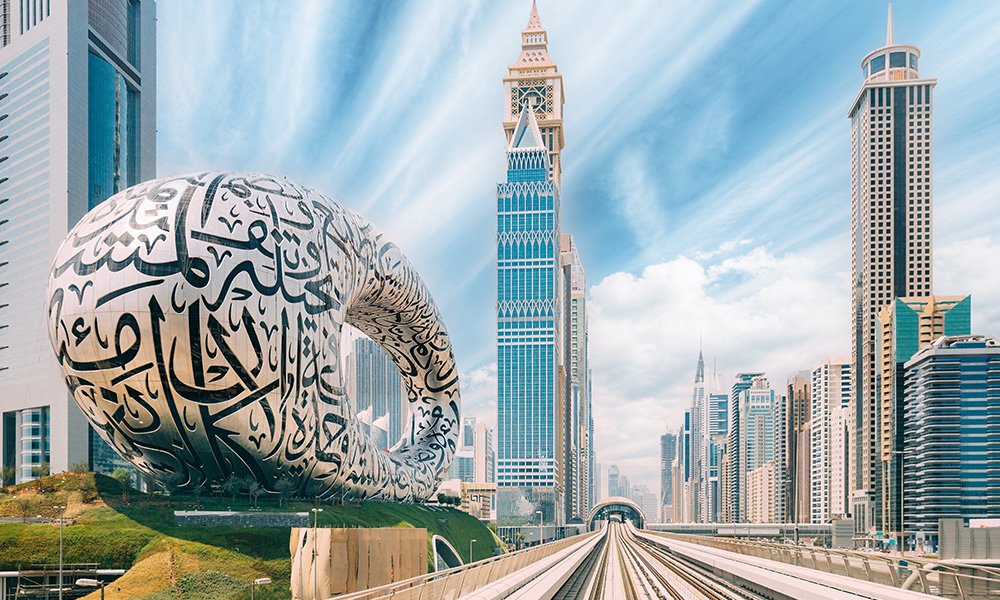
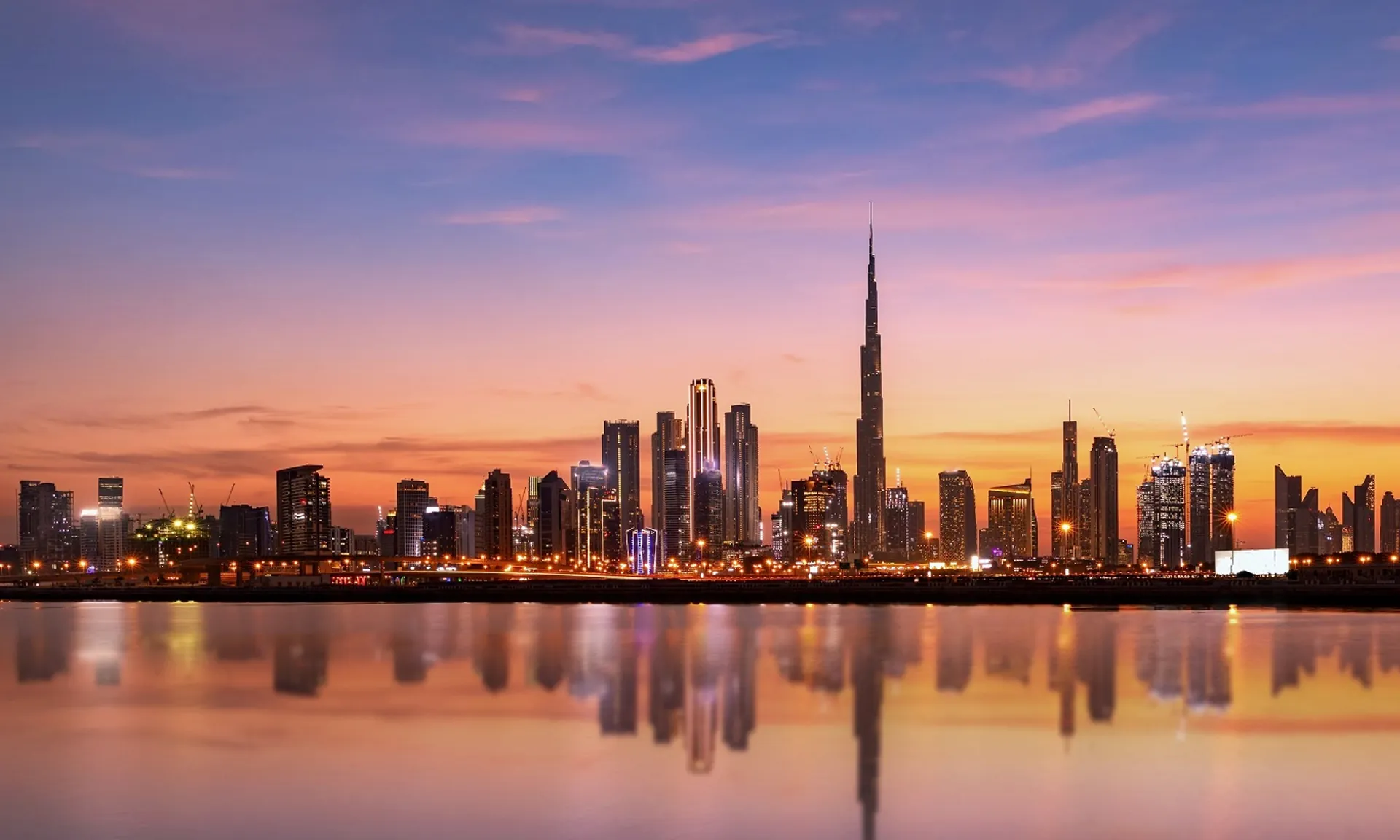
The “Regional Headquarters (RHQ) Mandate,” which forced multinational firms to move their Middle East HQs to Riyadh by 2024, has created a massive housing deficit in North Riyadh. This is where the executives live.
- Al Malqa: Known as the “Executive Belt,” prices here have already surged 12% in Q4 2025.
- Hittin: The ultra-luxury hub, comparable to Dubai’s Emirates Hills.
- Al Narjis: The growth corridor near the airport, popular with younger expat professionals.
“We are seeing a 15% ROI forecast for freehold villas in Al Malqa for 2026,” says a senior analyst at Knight Frank Middle East. “You have thousands of C-suite executives arriving from London and New York, and there simply isn’t enough Grade-A stock to house them. Landlords effectively name their price.”
[Read More: GCC Wealth Transfer 2026: Why $1 Trillion is Leaving Real Estate]
The “Riyadh vs. Dubai” Calculation
For the international investor, the comparison is inevitable.
- Dubai 2026: A mature, stable market offering 5-7% rental yields. Safe, but the explosive growth phase is over.
- Riyadh 2026: An emerging giant offering 10-12% yields and significant capital appreciation potential. Higher risk, but higher reward.
“Riyadh is the ‘Early Bird’ trade,” notes the analyst. “You are buying into a city that is actively doubling its population to reach 15 million by 2030. The demand curve is artificial, it is government-mandated. That provides a safety net for investors.”
The Infrastructure Catalyst
The value proposition is underpinned by the massive infrastructure coming online this year. The Riyadh Metro is fully operational, and the Sports Boulevard project is reshaping the city’s livability.
Furthermore, the new Non-Saudi Property Ownership Law allows foreigners to buy “off-plan” with robust escrow protections, mirroring the regulations that cleaned up Dubai’s market a decade ago.
Read More: UAE Digital Dirham 2026 Rollout: Is This the End of SWIFT for Gulf Trade?
The Risk Factor: Construction Delays
It is not all green lights. The sheer volume of “Giga-Projects” (NEOM, Qiddiya, Red Sea) has caused a bottleneck in construction materials and labor.
Investors buying property in Saudi Arabia for foreigners 2026 should be wary of completion dates. Delays of 6-12 months are becoming common as contractors struggle to keep pace with the Kingdom’s ambition. The advice from experts is clear: Buy ready properties or secondary market units in established districts like Al Malqa, rather than risking off-plan delays in the outer fringes.
As the first deeds are issued to German, Chinese, and British buyers this month, the message is clear: The Kingdom is open for business, and the “For Sale” signs are finally written in English.