





As 8,500 exclusive branded units hit the market this year, we analyze why investors are paying a 42% premium just to have a logo on their building.
For the global elite, 2026 is the year the “House” becomes the “Brand.”
Walk through the sales galleries of Dubai today, and you won’t just see floor plans. You will see hyper-cars parked in living rooms and concierge teams trained by Swiss hoteliers. The line between “Fashion” and “Real Estate” has dissolved.
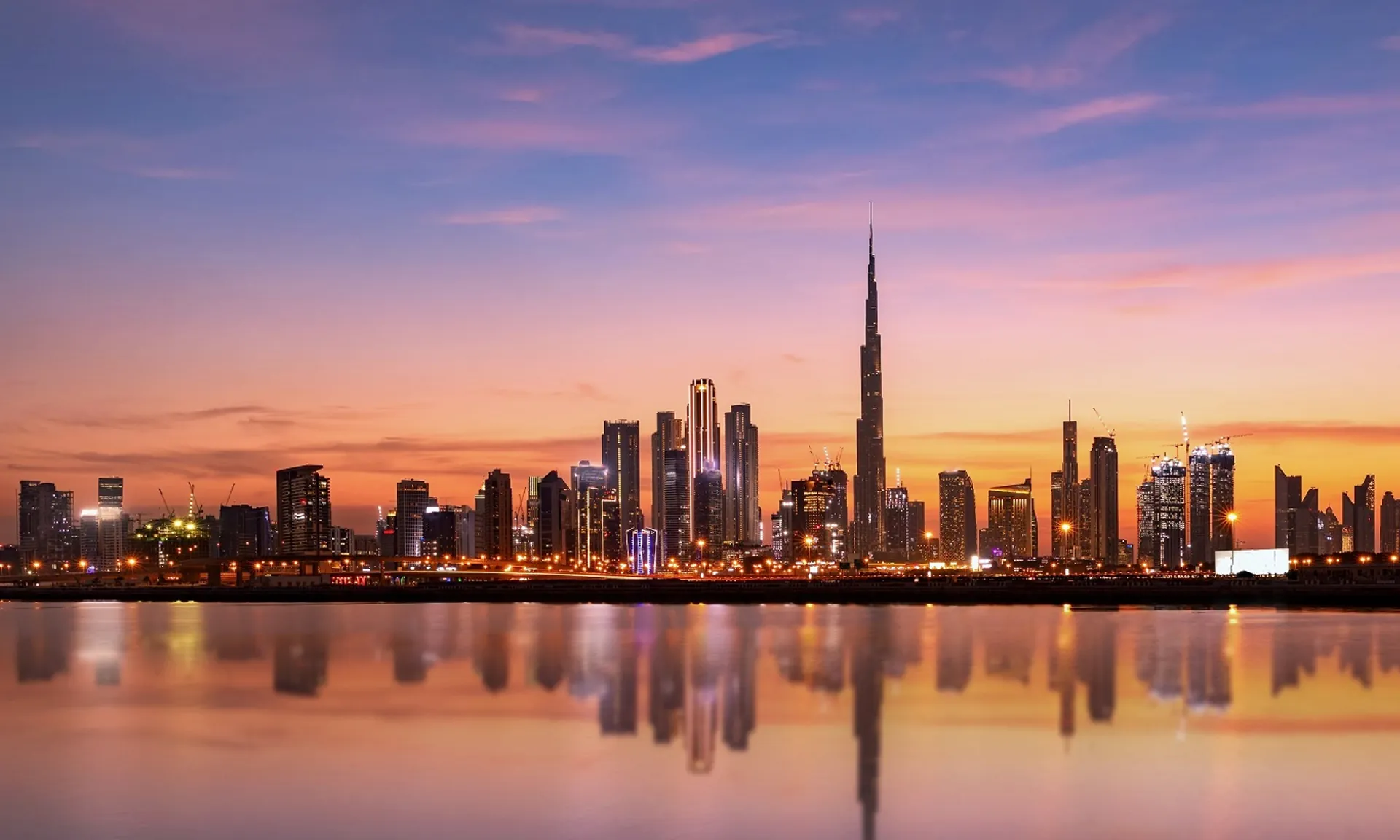
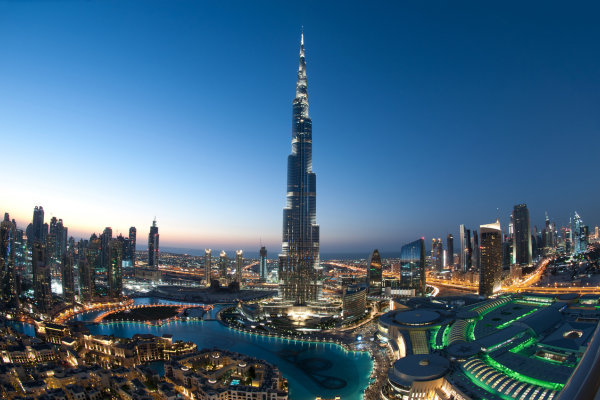
While branded residences have existed for decades (think Ritz-Carlton), 2026 marks the explosion of a new asset class: the “Lifestyle Brand” Residence. From Mercedes-Benz Places in Downtown to the Bugatti Residences in Business Bay, Dubai has become the global laboratory for this experiment in luxury living.
We analyzed the data to understand why this sector is outperforming the general market and whether the “Label” is worth the price tag.
The Economics of the Logo
For the skeptical investor, paying extra for a name might seem like vanity. But the numbers suggest it is a calculated hedge.
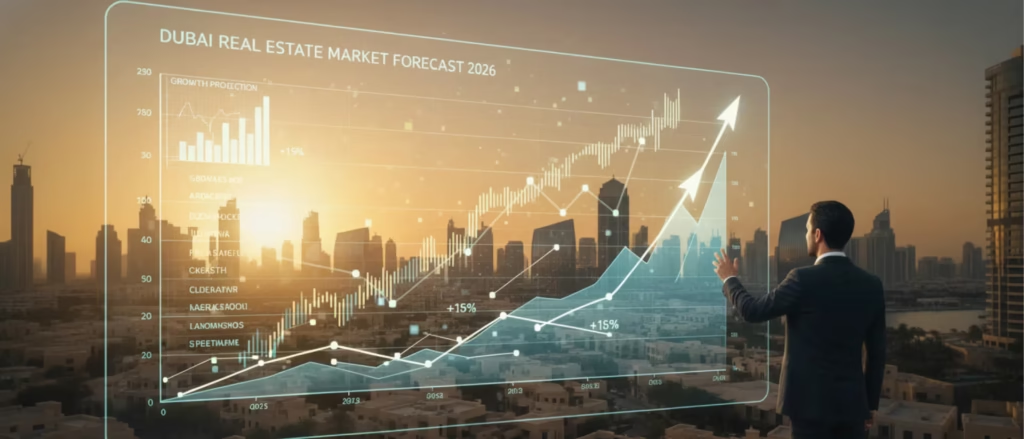
According to 2025 year-end market reports, branded residences in Dubai are currently commanding a price premium of 42% over comparable non-branded luxury units.
- The “Trophy” Effect: “It’s the same psychology as buying a Birkin bag,” notes real estate analyst Sarah Al-Qassim. “You aren’t just buying utility; you are buying membership into a tribe. A Bugatti apartment isn’t just a home; it’s a liquid asset that trades on brand equity, not just square footage.”
- Capital Appreciation: Early investors in these off-plan projects have seen capital gains of up to 65% over a 36-month period leading up to 2026 handover.
The Scarcity Factor: Only 8,500 Keys
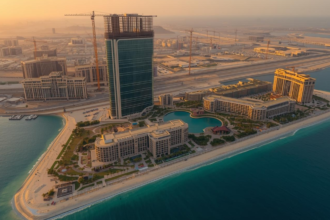
The buzzword for 2026 is “Scarcity.” Despite the cranes dotting the skyline, the supply of true branded inventory is surprisingly tight. By the end of 2026, only roughly 8,500 branded units are slated for handover across the entire city.
- Why this matters: In a market delivering 40,000+ total units, branded keys represent a tiny fraction (less than 5%) of the stock. This artificial scarcity is what protects their value when the broader market softens.
The Evolution: From ‘Service’ to ‘Ecosystem’
What separates the 2026 vintage of branded homes is the depth of integration. It is no longer just a logo on the door.
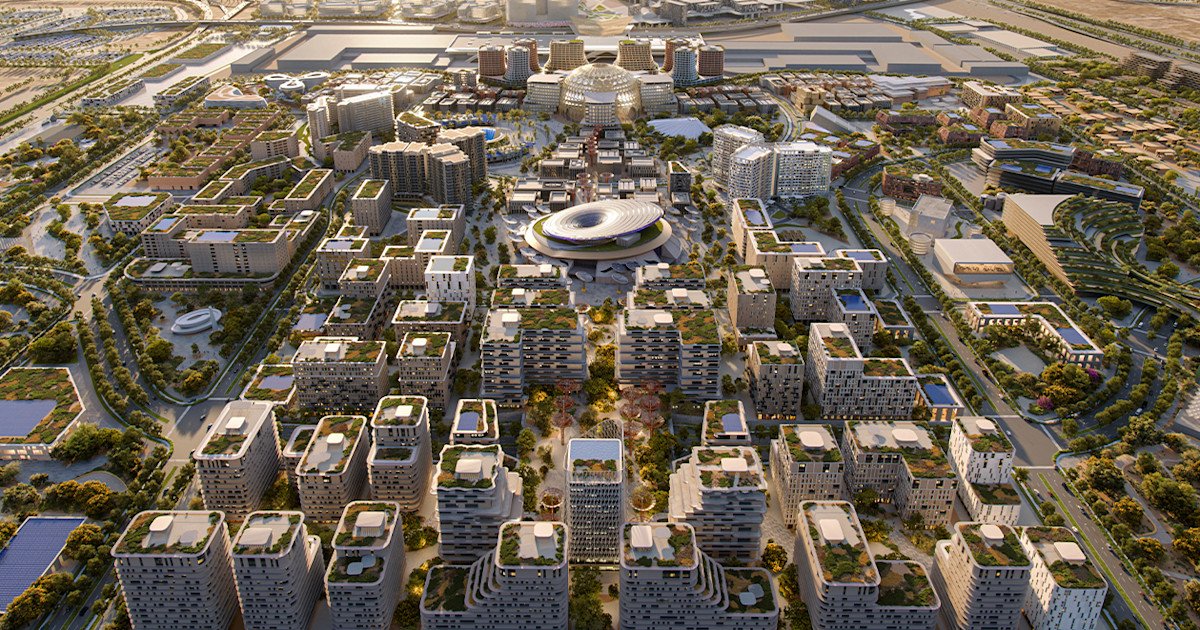
- Tech-Integrated Living: Projects like the Mercedes-Benz Places are integrating smart-home tech that mirrors the dashboard of an S-Class. The building “knows” you.
- Sustainability as Luxury: The new “ESG Luxury” trend means these towers are often net-zero or feature integrated vertical forests (like the Armani Beach Residences). In 2026, “Green” is the new “Gold” for the eco-conscious billionaire.
Where the Smart Money is Going in 2026
If you are looking to acquire a “Trophy Asset” this quarter, three corridors are defining the market:
- The “Hyper-Car” Belt (Business Bay): Home to the Bugatti and Jacob & Co towers. This is for the investor who wants flash, visibility, and high-octane design.
- The “Old Money” Coast (Jumeirah/Palm): Where brands like Four Seasons and Mandarin Oriental command the highest price-per-square-foot. These are “Safe Haven” assets.
- The “Fashion” District (Downtown): With heavyweights like Dolce & Gabbana and Baccarat entering the fray, this area appeals to the design-centric European buyer.
Is it a bubble? Perhaps. But in a volatile global economy, the “Brand” offers a psychological safety net. In 2026, the wealthy aren’t just buying real estate to live in; they are buying it to wear.
As one broker put it: “You can print more money, but you can’t print more Bugattis.