






Deciphering the new private funding models that accelerate major infrastructure projects without relying solely on state expenditure.
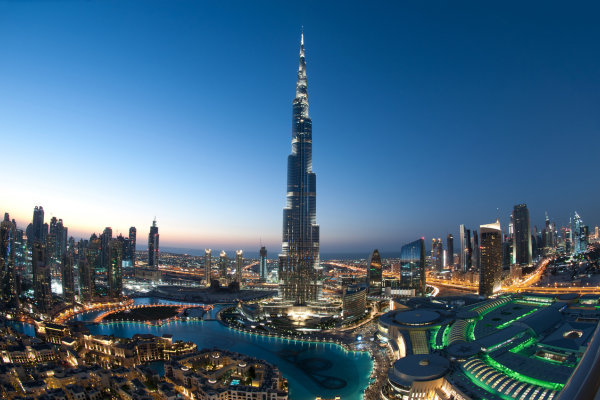
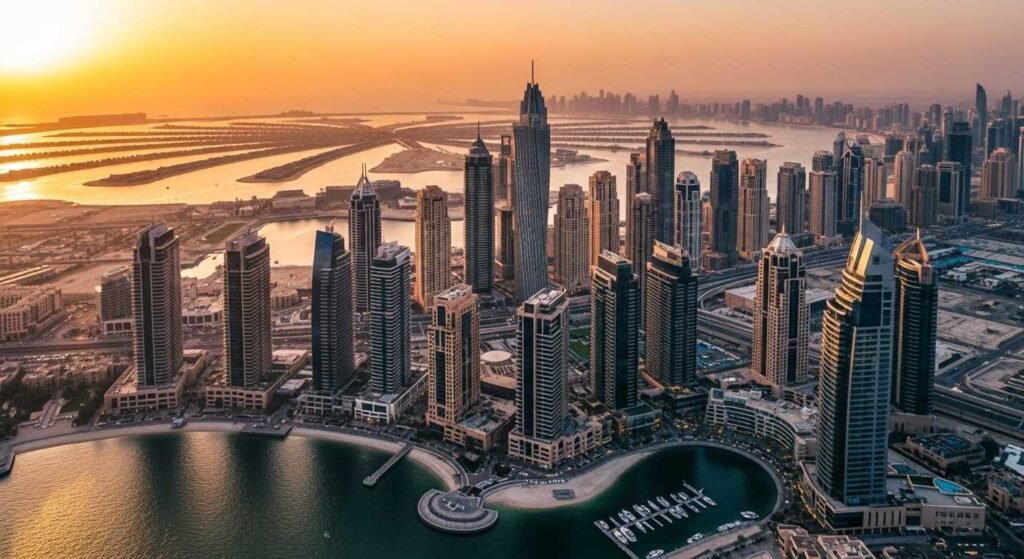
DUBAI — Dubai’s reputation as a city built on vision is matched only by the scale of its construction. Yet, maintaining this rapid pace of development from massive transport upgrades to essential utilities expansion demands a sophisticated financial model that moves “Beyond the Budget.” The era of sole reliance on state expenditure for major infrastructure projects is over.
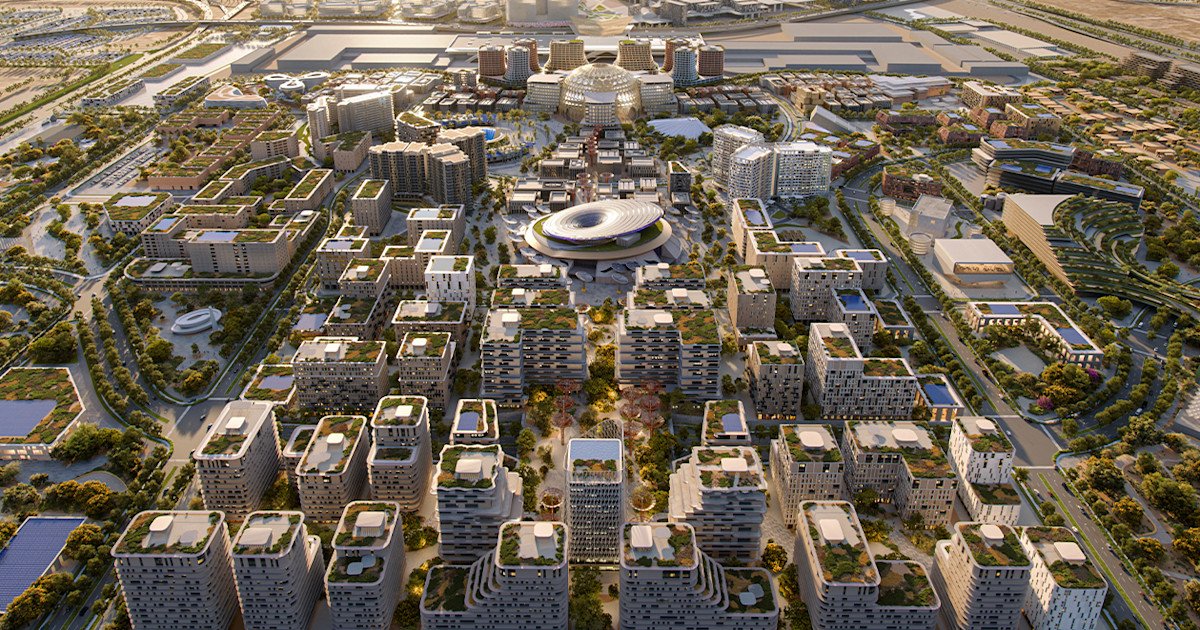
The key to Dubai’s continued fiscal resilience and ambitious growth targets, such as those outlined in the 2040 Urban Master Plan, lies in the strategic deployment of Public-Private Partnerships (PPPs). This legal framework shifts the role of the government from being the sole financier to being the regulator and enabler, transferring both the financing burden and operational risk to the private sector.
The Legal Framework: Building Investor Confidence
The foundation for this approach is codified in Dubai Law No. 22 of 2015 (Regulating Partnerships between Public and Private Sectors) and subsequent regulations. This legislation is a crucial tool for investors, as it provides the legal certainty and risk mitigation guarantees necessary for private capital to commit to long-term projects.
For global infrastructure funds, the certainty provided by these laws governing concession agreements, dispute resolution, and asset ownership makes Dubai’s PPP market highly attractive. It is a clear signal that the government views the private sector not just as a contractor, but as a strategic financial and operational partner.
The Engine of Growth: Where PPPs Accelerate
PPPs are most prevalent and transformative in sectors requiring massive, continuous investment:
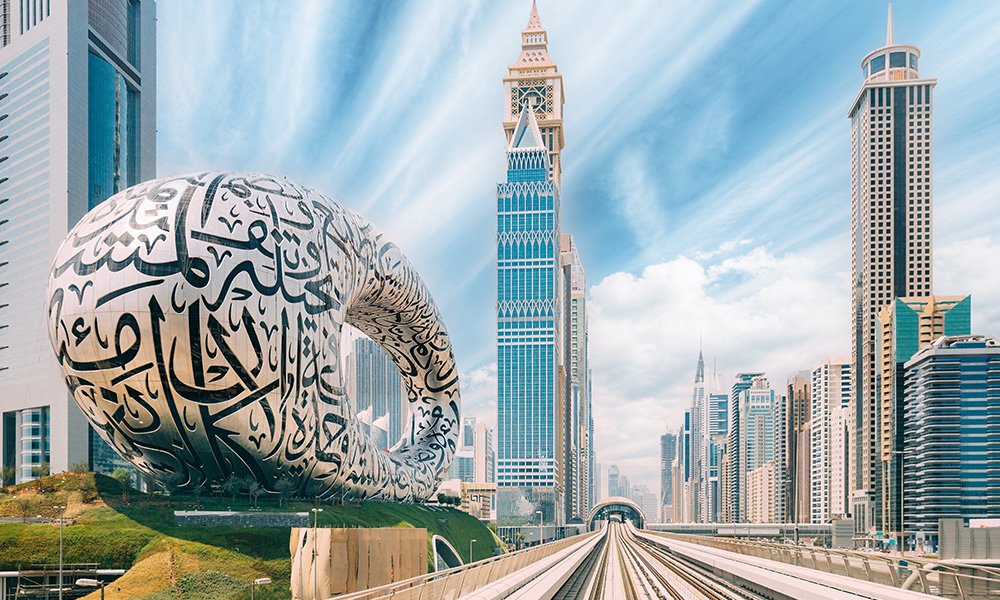
- Transport & Mobility: Projects like the expansion of the Dubai Metro lines, automated toll systems (Salik), and the development of specialized freight logistics often utilize PPPs. The private sector finances the initial build-out and recoups investment through long-term revenue concessions.
- Water & Energy (Utilities): The DEWA Independent Power Producer (IPP) model is a global benchmark for successful public-private collaboration. Private firms finance, build, and operate power generation and desalination plants, selling the output back to the government utility under secure, long-term power purchase agreements (PPAs).
- Social Infrastructure: While less visible, the model extends to social services, including specialized healthcare facilities and municipal waste management.
Risk Transfer: A Key Investor Incentive
The primary draw for international investors is not just the promise of consistent revenue streams, but the efficient transfer of risk.
In a typical Build-Operate-Transfer (BOT) or Build-Own-Operate (BOO) model, the private consortium assumes crucial risks construction delays, operational efficiency, and technology failures in exchange for a predictable revenue stream over a 20-30 year term. This allows the Dubai government to maintain a lean balance sheet while guaranteeing timely, world-class project delivery.
The successful utilization of PPPs is more than a budgeting trick; it is a fundamental pillar of Dubai’s fiscal resilience. It ensures that the city can continue to realize its vision from the 2040 Urban Master Plan to major event infrastructure without incurring unsustainable public debt, cementing its reputation as a global model for accelerated, financially sound urban development.