





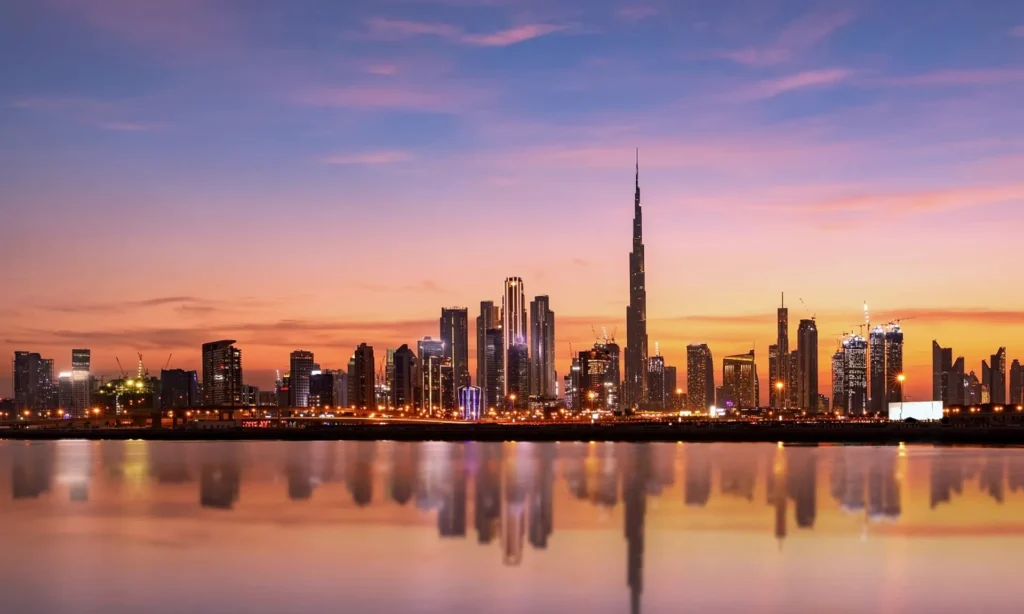

In 2025, Dubai’s real estate market has exhibited remarkable resilience, defying global economic uncertainties and forecasting continued growth. As international investors and end-users fuel demand, Dubai emerges as one of the world’s most dynamic property markets, driven by strategic government policies, infrastructure expansion, and a maturing economy.
Unprecedented Market Performance in 2025
Recent reports indicate that Dubai’s real estate market reached AED 559.4 billion in 2025 in terms of total transaction value, marking strong growth in apartment and land sales compared to previous years. The third quarter alone witnessed a record 59,228 property transactions valued at AED 170.7 billion ($46.5 billion)—the highest quarterly volume ever recorded.
- Apartments Lead Sales: Apartments accounted for the majority of transactions, with 49,370 units sold valued at AED 93.3 billion.
- Commercial and Land Sales Expand: Commercial properties and plot sales also showed significant increases by volume and value.
- Off-Plan Properties: Off-plan developments made up about 73% of transaction volume, indicating ongoing investor confidence in Dubai’s future growth.
Factors Fueling Market Strength
Several factors contribute to the market’s resilience:
- Government Stimulus: Policies such as Golden Visa and 10-year residency options attract global investors seeking stability.
- Foreign Ownership Rights: Expanded rights have enabled increased participation by international buyers.
- Low Mortgage Rates: Following global interest rate adjustments, borrowing costs have become more accessible, spurring demand from end-users.
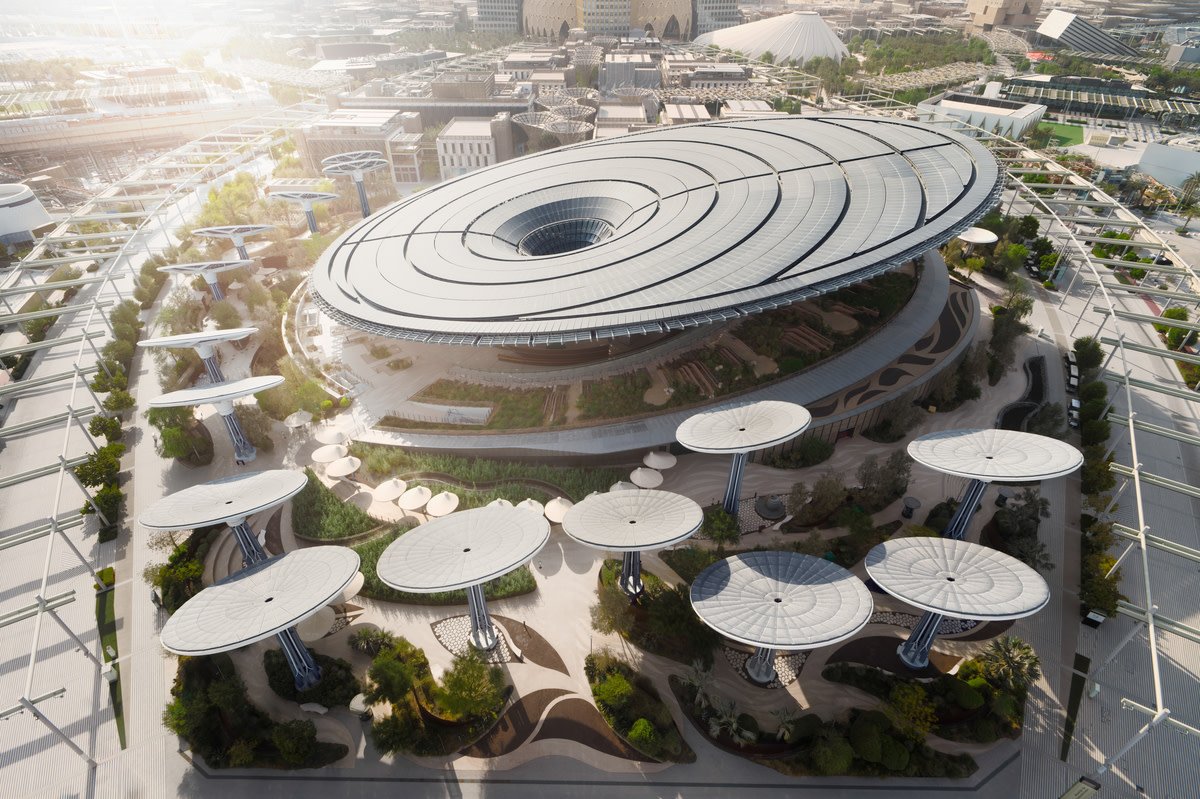
- Expo 2020 Legacy & Infrastructure: Continued urban development and infrastructural improvements maintain Dubai’s appeal as a prime investment destination.
Investor Behavior and Trends
Market insights suggest investors are increasingly adopting data-driven, long-term strategic approaches rather than speculative short-term transactions. This shift supports sustainability in property values and mitigates volatility often associated with emerging markets.
Buyers focus on established areas with proven track records, credible developers, and projects offering realistic returns.
Challenges and Future Outlook
While growth is robust, experts caution on challenges ahead:
- Supply Surge: Nearly 300,000 new housing units are expected by 2028, which may temper price growth and rental yield if not matched by demand.
- Rental Market Stabilization: After strong growth in recent years, rental increases decelerated to 2.1% quarterly in mid-2025, indicating supply catching up.
- Economic Headwinds: Potential shifts in global economic conditions may impact investment flows.
Nonetheless, Dubai’s market is transitioning toward maturity, supported by fundamental demographic growth and diversified economic drivers.
Frequently Asked Questions
Q1: Which property segments are most active?
Apartments dominate sales, especially mid-sized units favored by families and new residents. Villas see steady demand but with slower price increases.

Q2: How has mortgage availability influenced buying?
Cheaper mortgages have attracted more end-users, reducing reliance on speculative investment and increasing market stability.
Q3: What role do major events and infrastructure play?
Expo 2020’s legacy projects and ongoing infrastructure expansion enhance livability and attract long-term investors.
Dubai’s real estate market in 2025 stands as a beacon of resilience and growth, balancing strong investor confidence with cautious optimism amid global uncertainties. Strategic government policies, infrastructure development, and maturing buyer behavior collectively underpin this robust performance.
The Telegraph Middle East will continue delivering comprehensive coverage on Dubai’s property trends and insights, guiding investors and residents navigating this vibrant market.