




The new wave of real estate isn’t about height; it’s about harmony. Why Dubai’s ultra-wealthy are trading penthouses for net-zero sanctuaries.
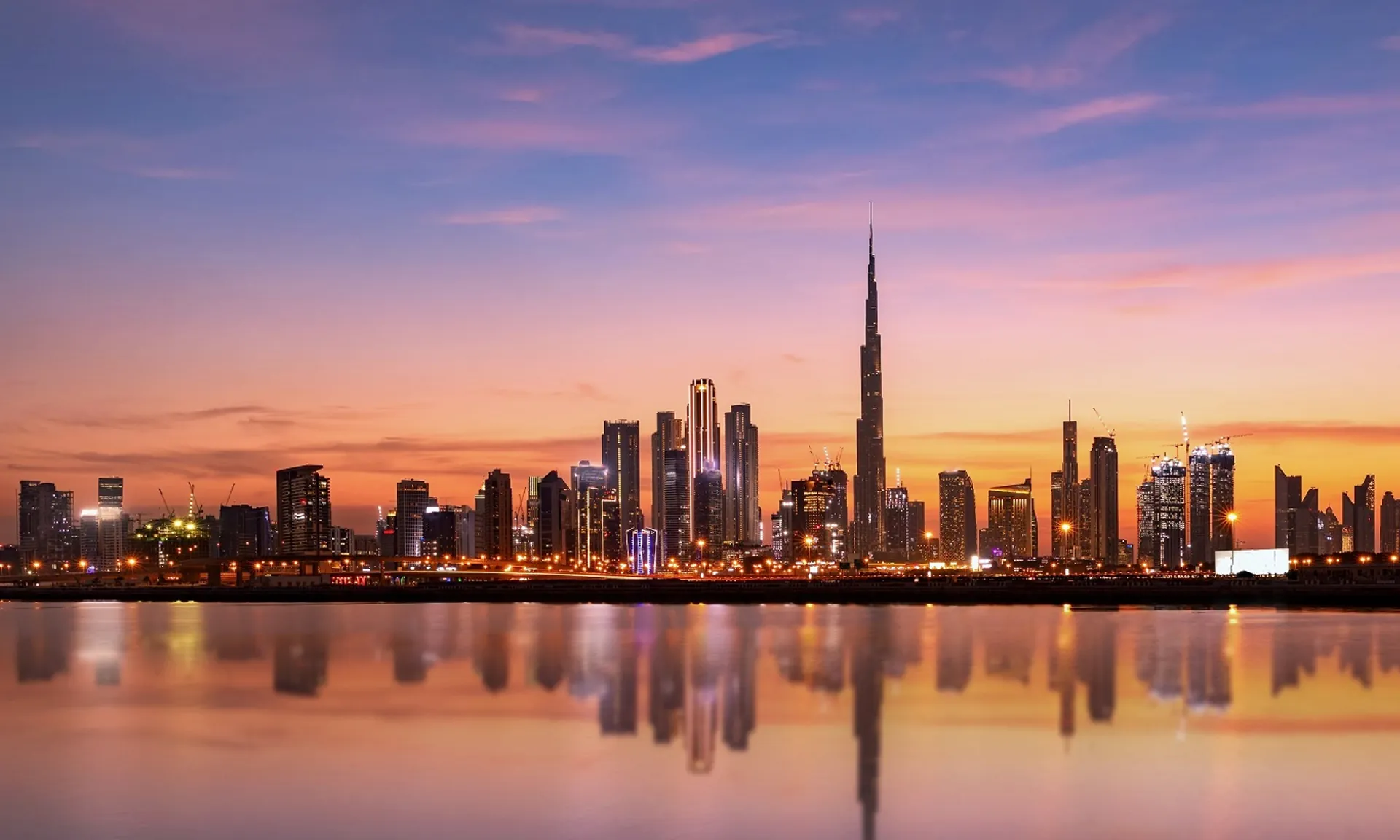
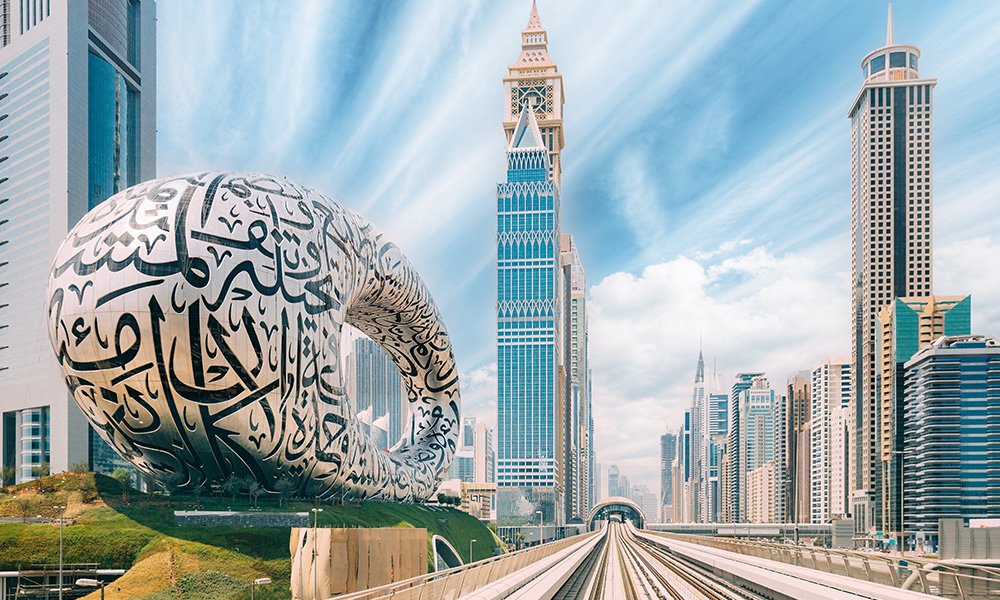
DUBAI — For two decades, Dubai’s real estate narrative was written in superlatives of height. The Burj Khalifa, the Marina skyline, the cloud-piercing towers of Sheikh Zayed Road—luxury was defined by how far you were off the ground.
But in 2025, a quiet revolution is taking place at street level. A new generation of investors and residents is turning its back on the vertical rat race, seeking a different kind of prestige: Sustainable Luxury.
The most coveted address in Dubai is no longer necessarily the one with the highest elevator ride, but the one with the lowest carbon footprint.
The “Green” Premium
Historically, “eco-friendly” in real estate meant compromising on luxury. In Dubai, that equation has been flipped. Developments like The Sustainable City proved the concept, but newer projects like Expo City Valley and Al Barari have elevated it to an art form.
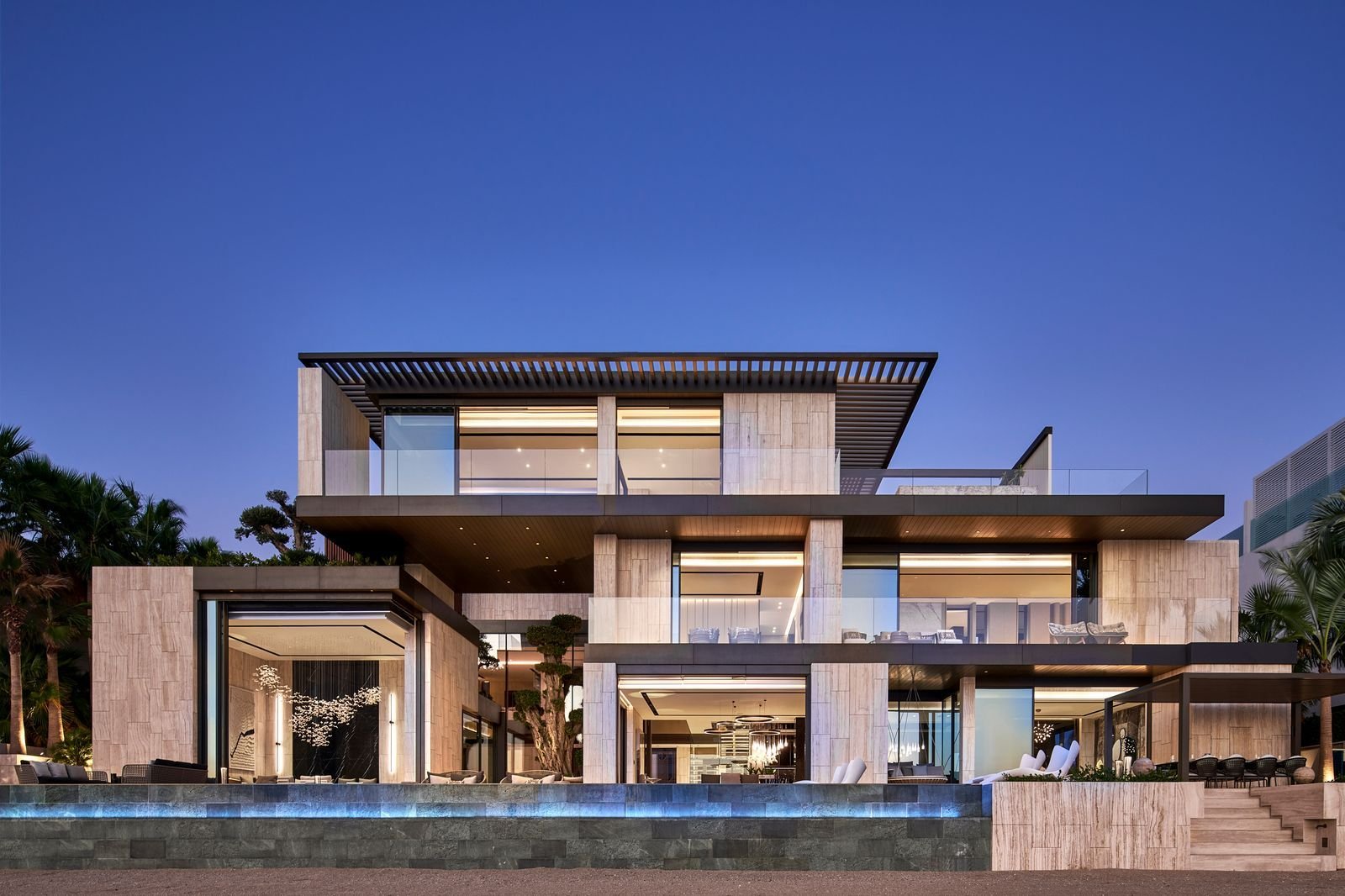
We are seeing the emergence of “Net-Zero Palaces”—villas equipped with smart solar skins, greywater recycling systems that keep private jungles lush without wasting a drop, and passive cooling architecture that reduces reliance on AC by 40%.
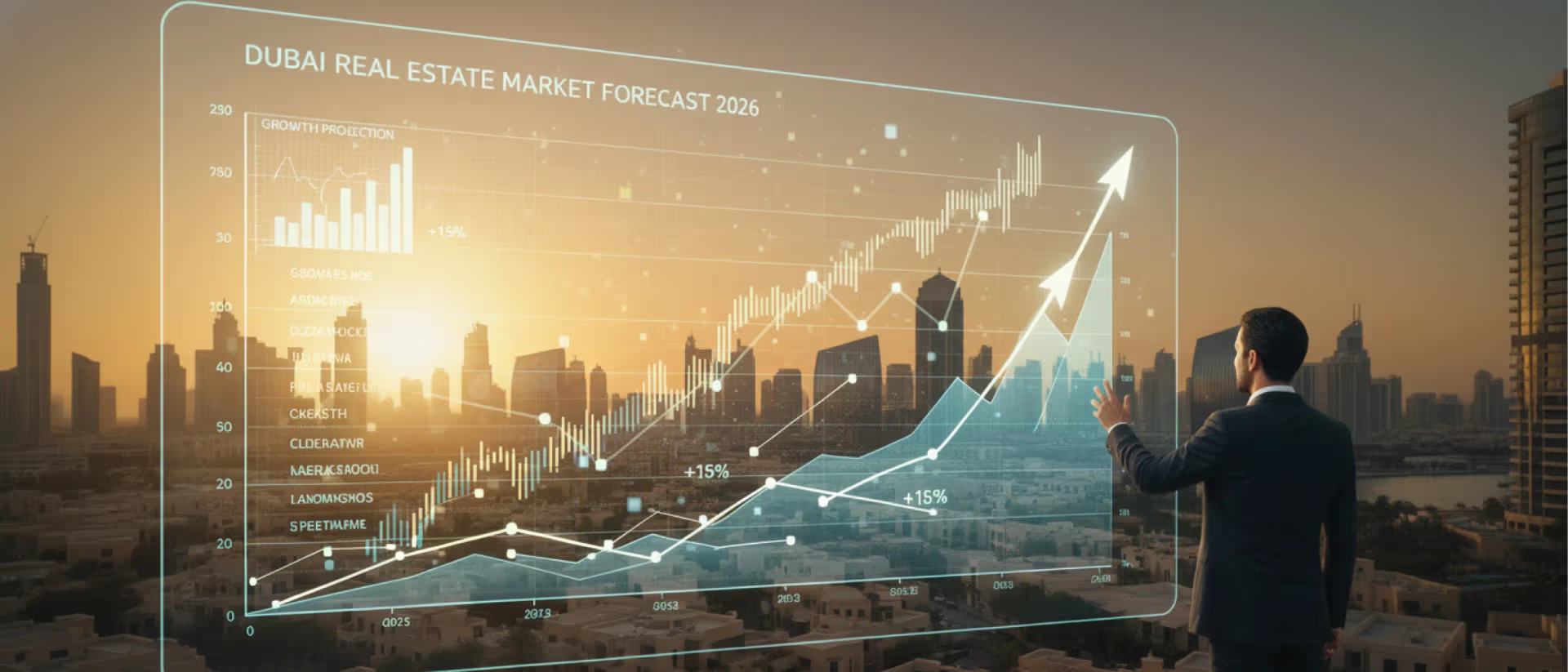
Market data supports this shift. Properties with high LEED certifications or green credentials are now commanding a premium of 15-20% over their conventional counterparts. For the savvy investor, sustainability is no longer a moral choice; it is a financial moat against rising utility costs and future regulations.
Expo City: The Blueprint for Future Living
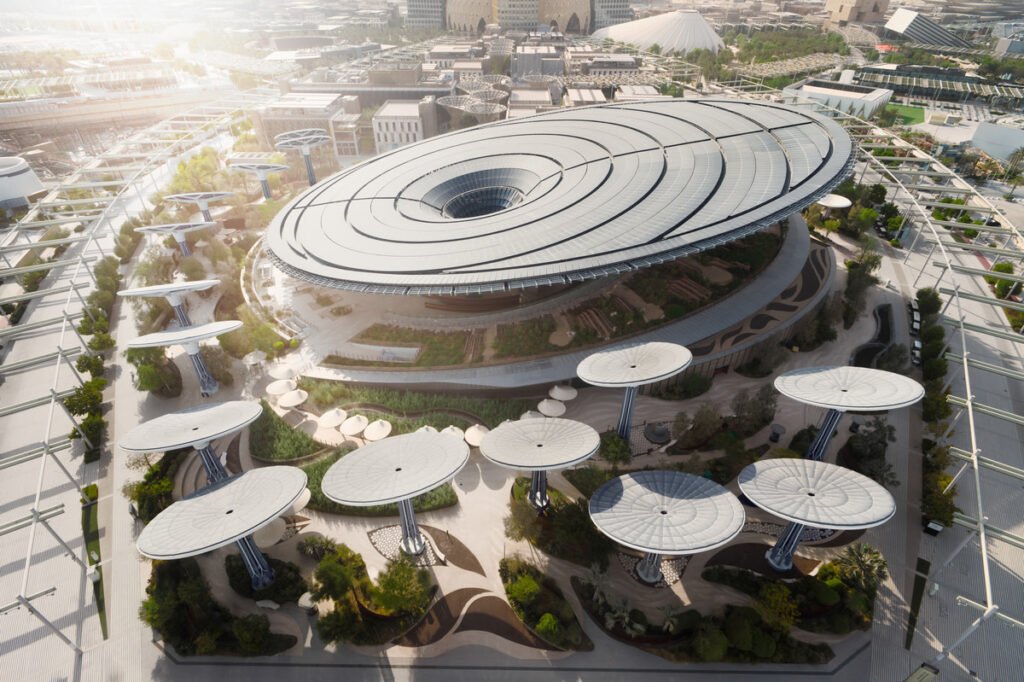
Leading this charge is Expo City Dubai. Repurposed from the world’s greatest show into a permanent residential hub, it is rewriting the rulebook on urban living.
Residents here don’t just live in apartments; they inhabit a “15-minute city” where cars are secondary to autonomous pods and shaded walkways. The upcoming residential clusters are 100% pedestrianized, focusing on “wellness architecture” that prioritizes air quality, natural light, and mental health over sheer square footage.
Biophilic Design: Bringing the Jungle to the Sand
The aesthetic of luxury has also shifted. The chrome-and-glass look is out; Biophilic Design is in.
Developers are competing to create micro-climates. We are seeing communities anchored by man-made lagoons, vertical forests that wrap around low-rise buildings, and “agri-hoods” where residents can grow their own organic produce in communal high-tech greenhouses.
This is the ultimate flex in a desert climate: living in a lush, temperature-controlled oasis that is self-sustaining.
The Maturity of the Market
This pivot signifies the maturity of Dubai’s real estate market. The city is moving beyond the “build it bigger” phase to a “build it better” philosophy.
For the global elite relocating to the UAE, the dream isn’t just to own a piece of the skyline anymore. It is to own a sanctuary that promises longevity both for their portfolio and the planet.