





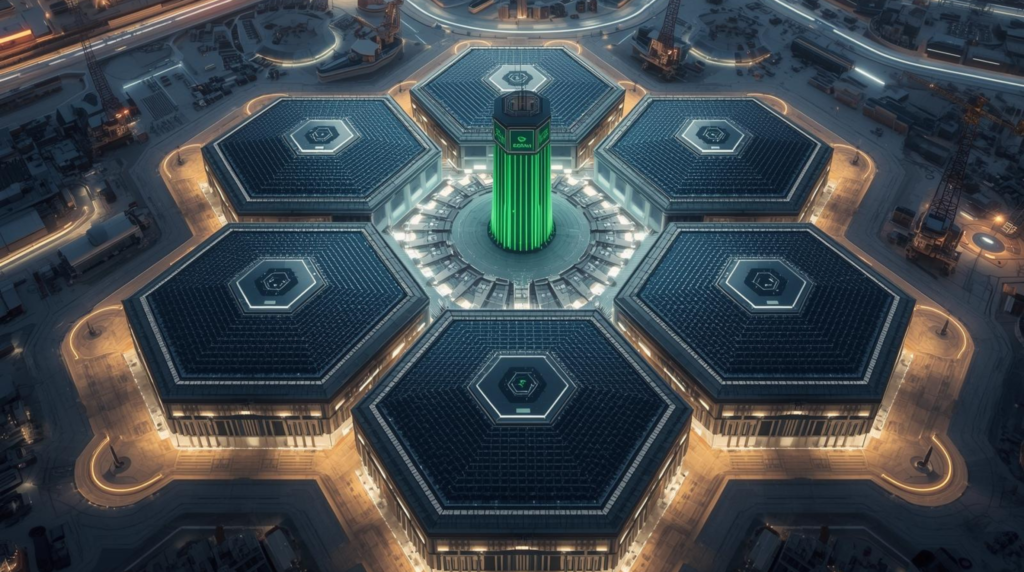

The foundation stone has been laid for the world’s largest government data center. We take a deep dive into the 480MW project that will house the Kingdom’s sovereign data, and power its AI future.
In the race for digital sovereignty, Saudi Arabia has stopped jogging and started sprinting.
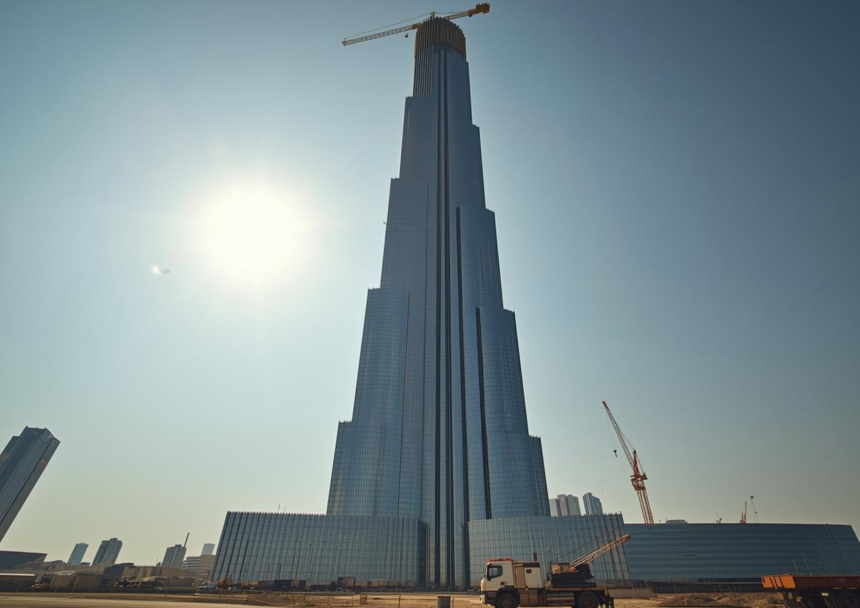
This week, heavy excavators broke ground in northern Riyadh, marking the official start of construction for the Hexagon Data Centre, a project of such scale that it effectively redraws the map of global digital infrastructure.
Commissioned by the Saudi Data and Artificial Intelligence Authority (SDAIA), this $2.7 billion (SAR 9.9 billion) facility is not just another server farm. It is a strategic national asset designed to be the “world’s largest government data center” upon completion.
For the global tech industry, the Hexagon represents a shift in gravity. Saudi Arabia is no longer just a consumer of cloud services from Seattle or Silicon Valley; it is building its own “Digital Fortress.”
The Stats: 480 Megawatts of Power
To understand the Hexagon Data Centre Saudi Arabia construction project, you have to look at the power consumption.
In the data center world, size is measured in megawatts (MW), not square feet. A typical “hyperscale” facility built by Google or Amazon consumes about 50-80 MW.
The Hexagon will consume 480 MW.
“This is a monster,” says Peter Aris, a digital infrastructure analyst at Knight Frank Middle East. “To put 480 megawatts into perspective, that is enough electricity to power a medium-sized European city. It suggests that SDAIA is not just planning for today’s government data needs, but for a future dominated by energy-hungry Artificial Intelligence workloads.”
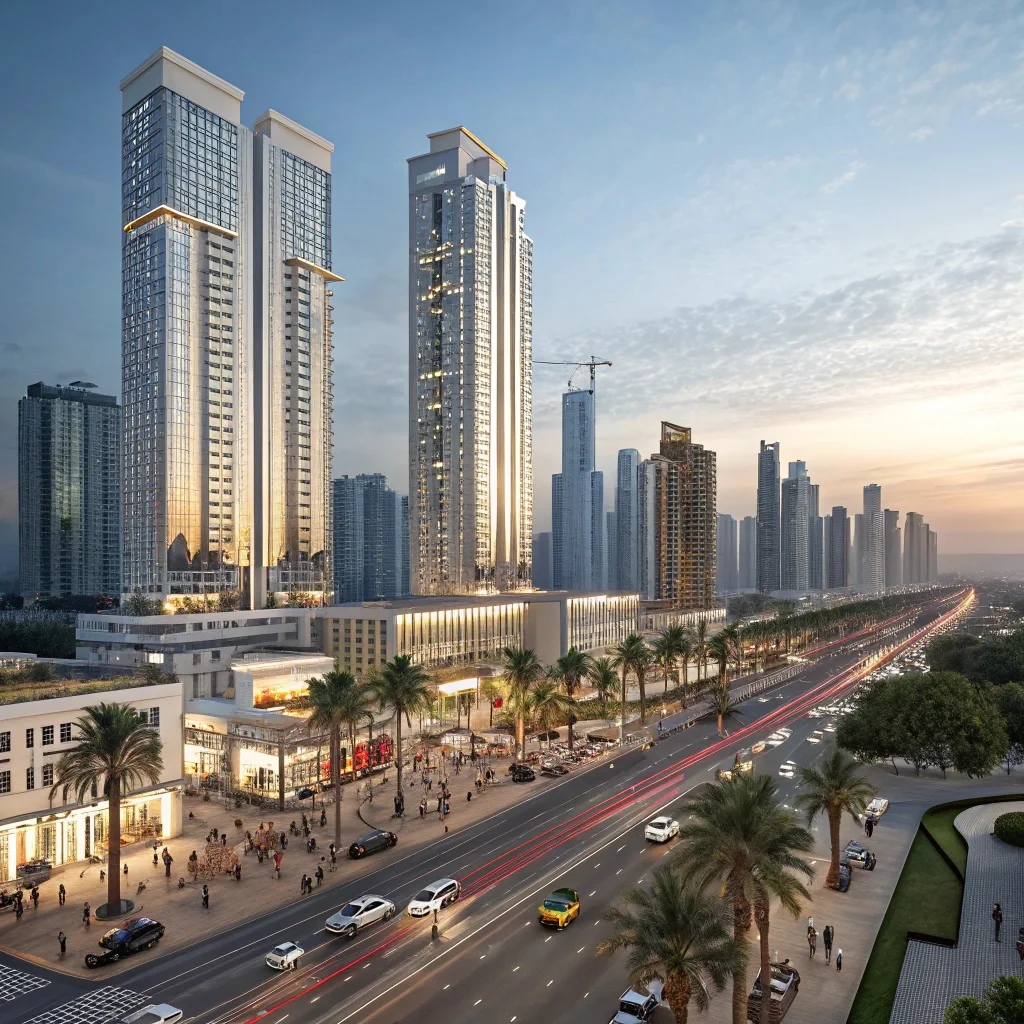

The facility spans a total footprint of 30 million square feet (approx 2.8 million square meters), making it physically larger than the massive switch-hosting campuses in Northern Virginia.
The Builder: AlBawani Takes the Reins
The contract to build this behemoth has been awarded to AlBawani, one of the Kingdom’s top-tier contracting giants.
The selection of a local champion over international contenders underscores the “local content” mandate of Vision 2030. AlBawani faces a grueling timeline, with Phase 1 (150 MW) expected to come online by late 2027.
“We are pouring concrete for six interconnected buildings simultaneously,” a project engineer told The Telegraph. “The design is modular but massive. We are essentially building six Tier-IV data centers and linking them into a single hive. The engineering challenge is cooling; keeping this amount of compute power cold in the Riyadh desert requires industrial-grade innovation.”
Read: UAE Styrofoam Ban 2026: The Supply Chain Shock and the New Cost of ‘Takeaway’
Strategic Goal: “Data Sovereignty”
Why spend $2.7 billion on a government building? The answer is Data Sovereignty.
In 2026, data is the new oil, and Riyadh wants to ensure its oil is stored in its own tanks. The Hexagon Data Centre will host over 290 government systems, migrating them from disparate, aging server rooms into a single, fortified cloud.
This centralization allows SDAIA to:
- Secure National Secrets: By keeping sensitive data (interior ministry, health records, defense logs) on sovereign soil, protected by sovereign hardware.
- Unify the “National Cloud”: Creating a single “Government Cloud” (Deem) that all ministries can plug into, reducing redundancy and costs by an estimated SAR 1.8 billion annually.
The AI Engine: Nvidia in the Desert
While “storage” is the bread and butter, “compute” is the goal.
Sources confirm that the Hexagon is designed to house high-density racks specifically for Generative AI training. With the Kingdom’s “Humain” initiative aiming to position Saudi Arabia as a top-3 global AI power, the Hexagon will serve as the engine room.
“You cannot have an AI strategy without an infrastructure strategy,” notes Aris. “If you want to train an Arabic Large Language Model (LLM) like ‘ALLaM’, you need thousands of H100 or B200 GPUs running 24/7. The Hexagon provides the power and cooling shell to host those chips.”
Green Credentials: LEED Gold in the Desert?
SDAIA has pledged that the facility will be one of the world’s largest “Green Data Centers,” targeting LEED Gold certification.
This seems contradictory for a 480MW facility, but the design incorporates:
- Direct Liquid Cooling: Using fluid instead of air to cool the hottest chips, reducing energy waste by 40%.
- Solar Integration: The 30-million-square-foot site allows for massive solar arrays to offset daytime peak loads.
- Water Recycling: Utilizing treated wastewater for the evaporative cooling towers to spare Riyadh’s potable water supply.
The Regional Race
The Hexagon Data Centre Saudi Arabia construction comes at a time of fierce regional competition.
- UAE: Khazna and G42 are expanding their footprints rapidly.
- Neom: The Oxagon industrial city is building a separate 1.5GW “AI Factory” with DataVolt, focused on clean energy.
However, the Hexagon distinguishes itself by its sheer centralization. It is not a commercial colocation facility for Netflix or Facebook; it is the brain of the Saudi state.
The Fortress Rises
As the cranes rise over northern Riyadh this month, they signal a shift in the global order of the internet.
For twenty years, the Middle East was a “latency region”, a place where data had to travel to Amsterdam or London to be processed. In 2026, the data stays home. The Hexagon is proof that Saudi Arabia is building the physical infrastructure to match its digital ambitions. It is a $2.7 billion bet that the future of governance is digital, and the future of digital is sovereign.