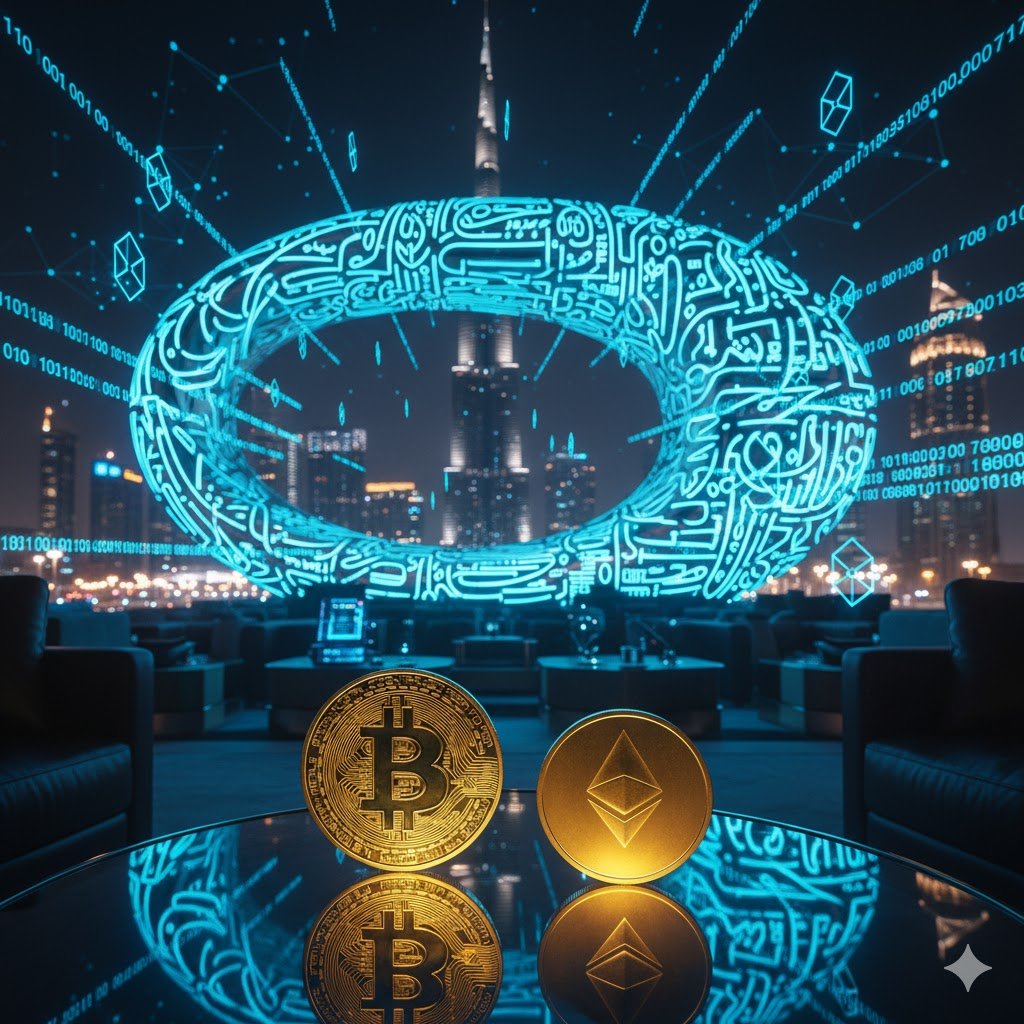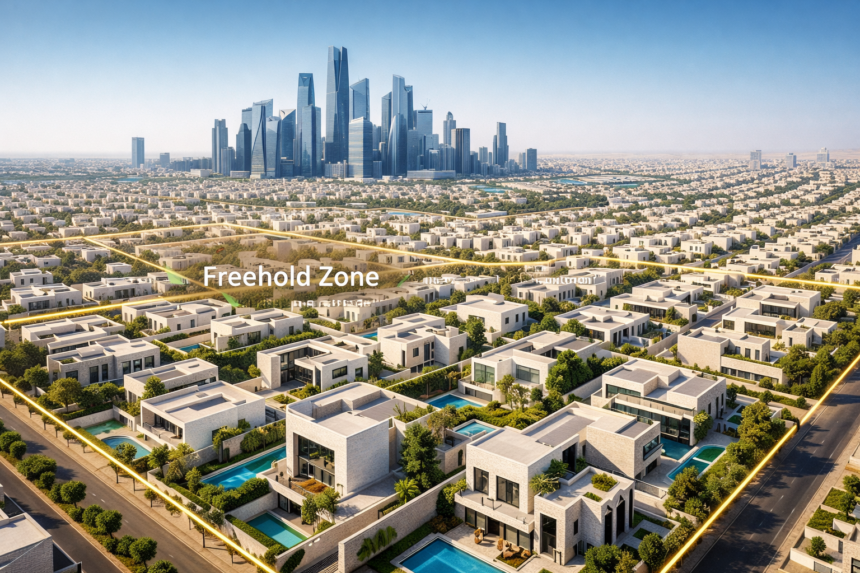




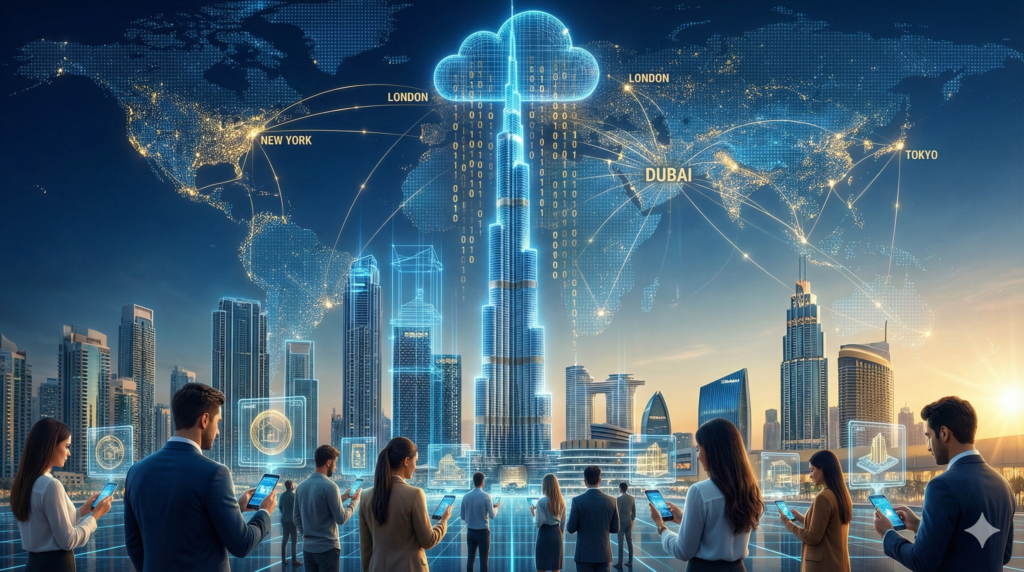

Real Estate is the world’s largest asset class, but it is notoriously illiquid. Dubai’s pioneering Web3 regulations are turning skyscrapers into tradeable digital tokens, allowing the world to own a piece of the future.
Real estate is the ultimate store of wealth. It is tangible, scarce, and historically appreciative. But it has a fatal flaw: Illiquidity.
Buying a penthouse in Downtown Dubai is not like buying Apple stock. It requires months of paperwork, massive capital outlays, transfer fees, and physical presence. Selling it is even harder. You cannot sell “10%” of your apartment to raise cash for a business venture; you are either all in, or all out.
For decades, this high barrier to entry meant that the world’s best performing asset class, Prime Dubai Real Estate, was a closed club, accessible only to the ultra-wealthy and institutional funds.
But in 2026, the velvet rope is being cut by a digital key.
Dubai is currently spearheading the most significant disruption in property rights since the invention of the title deed: Real Estate Tokenization. By leveraging blockchain technology and a progressive regulatory framework, the emirate is transforming concrete and glass into liquid digital assets. The question is no longer “Can you afford a skyscraper?”; it is “How many tokens of it do you want?”
The VARA Advantage – Regulatory Clarity
The catalyst for this revolution is not technology; it is regulation.
While the US Securities and Exchange Commission (SEC) battles with the crypto industry via lawsuits, Dubai took a different path. It established the Virtual Assets Regulatory Authority (VARA), the world’s first independent regulator for virtual assets.
VARA didn’t just legalize crypto; it created a specific framework for “Real World Asset (RWA) Tokenization.” This provided legal certainty to developers and fintech platforms. It answered the trillion-dollar question: If I hold a digital token, do I legally own the property?

In Dubai, the answer is now a definitive Yes. Through Special Purpose Vehicle (SPV) structures recognized by the Dubai International Financial Centre (DIFC) and validated by the Dubai Land Department (DLD), a digital token represents an immutable, legally binding share of a physical property. This regulatory bridge between the “On-Chain” world (blockchain) and the “Off-Chain” world (government land registries) is Dubai’s global competitive advantage.
How It Works – The “Fractional” Revolution
Tokenization is the process of breaking a high-value asset into millions of digital shares.
Imagine a luxury villa on Palm Jumeirah worth AED 50 million.
- The Old Way: A single buyer needs AED 50 million cash (or a mortgage) to buy it.
- The Tokenized Way: The villa is placed into a holding company. That company issues 500,000 digital tokens, each worth AED 100.
Suddenly, the market for this asset explodes. A tech founder in Seoul can buy AED 10,000 worth of the villa. A student in London can buy AED 500 worth. They all hold these tokens in their digital wallets, receiving their share of the rental income (paid in USDC or Dirhams) automatically via smart contracts every month.
This is Fractional Ownership on steroids. It removes the friction of brokers, notary appointments, and paperwork. The “Smart Contract”, code that self-executes on the blockchain, handles the governance, dividend distribution, and compliance.
Democratizing the Skyline
The implications for the “Luxury Lifestyle” market are profound. Historically, owning a trophy asset like a unit in the Burj Khalifa or the Atlantis The Royal was a status symbol reserved for the 1%.
Tokenization democratizes this prestige. It allows a new generation of “Digital Landlords” to build a diversified portfolio. Instead of sinking $1 million into a single one-bedroom apartment, an investor can spread that $1 million across:
- 20% in a commercial office in DIFC.
- 30% in a hospitality villa in Ras Al Khaimah.
- 10% in a warehouse in Jebel Ali.
- 40% in a luxury penthouse in Dubai Marina.
This risk diversification was previously impossible for individual investors. Now, it is accessible via a smartphone app. It aligns perfectly with the ethos of the “sovereign individual”, the ability to hold global assets without intermediaries.
The Secondary Market – 24/7 Liquidity
The true “Killer App” of tokenization is the Secondary Market.
In the traditional world, selling a property takes 3 to 6 months. In the tokenized world, it takes 3 to 6 seconds. Because these property tokens live on a blockchain, they can be traded on regulated exchanges 24/7, just like Bitcoin or Ethereum.
If a token holder needs liquidity on a Sunday night at 2:00 AM, they don’t need to call a real estate agent. They simply list their tokens on the exchange, and a buyer in New York or Tokyo matches the order instantly. This “Liquidity Premium” is expected to increase the value of Dubai real estate, as assets that are easier to sell are inherently more valuable than those that are hard to sell.
We are moving toward a future where “Prime Dubai Real Estate” is a ticker symbol scrolling across Bloomberg screens, trading with the velocity of the NASDAQ.
The “PropTech” Boom
This shift has birthed a burgeoning PropTech (Property Technology) sector in the UAE.
Startups like Stake, SmartCrowd, and emerging blockchain-native platforms are raising millions in venture capital to build the infrastructure for this new economy. They are the new “Stock Exchanges” of the property world.
For the savvy investor reading The Telegraph Middle East, the opportunity is dual-pronged:
- Invest in the Tokens: Buy the high-yield assets themselves.
- Invest in the Infrastructure: Back the platforms and protocols that are facilitating this trade. The “shovels and pickaxes” of the digital real estate gold rush are likely to produce the region’s next unicorns.
The Digital Title Deed
As we look to the horizon of 2030, the physical title deed, a piece of paper stored in a vault, will look as archaic as a handwritten ledger.
Dubai is proving that the future of finance is not about replacing traditional assets with crypto, but about upgrading traditional assets with crypto technology.
By turning its skyline into code, Dubai is ensuring that its real estate market is the most accessible, liquid, and technologically advanced in the world. The skyscrapers are made of steel, but the foundations of ownership are rapidly becoming digital.