






Flying taxis are no longer sci-fi. From the Marina to the Airport in 10 minutes—here is how the infrastructure is being built right now.
DUBAI — For decades, science fiction promised us flying cars. While the rest of the world is still debating the regulations, Dubai is pouring concrete.
By 2026, the commute across this city will fundamentally change. The Roads and Transport Authority (RTA), in partnership with Skyports Infrastructure and Joby Aviation, is not merely testing a pilot project; they are building a permanent “Aerial Metro” network. Dubai is set to become the world’s first city with a fully commercialized, electric aerial taxi service.
The Vertiport Network: Infrastructure First
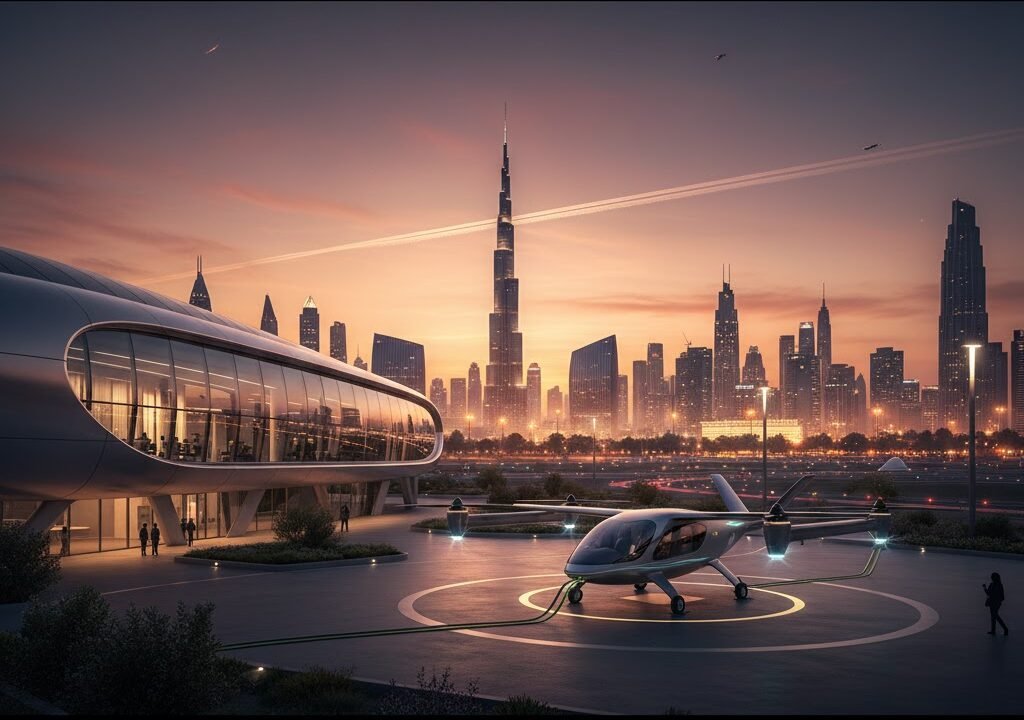
The genius of Dubai’s approach lies in its focus on infrastructure. Before the first passenger takes flight, the city is establishing a network of “Vertiports”—specialized terminals for Vertical Take-Off and Landing (VTOL) aircraft.
The initial network connects four strategic high-traffic nodes:
- Dubai International Airport (DXB): Enabling seamless transfers for global travelers.
- Downtown Dubai: Directly plugging into the business and tourism center.
- Dubai Marina: Serving the residential and leisure hub.
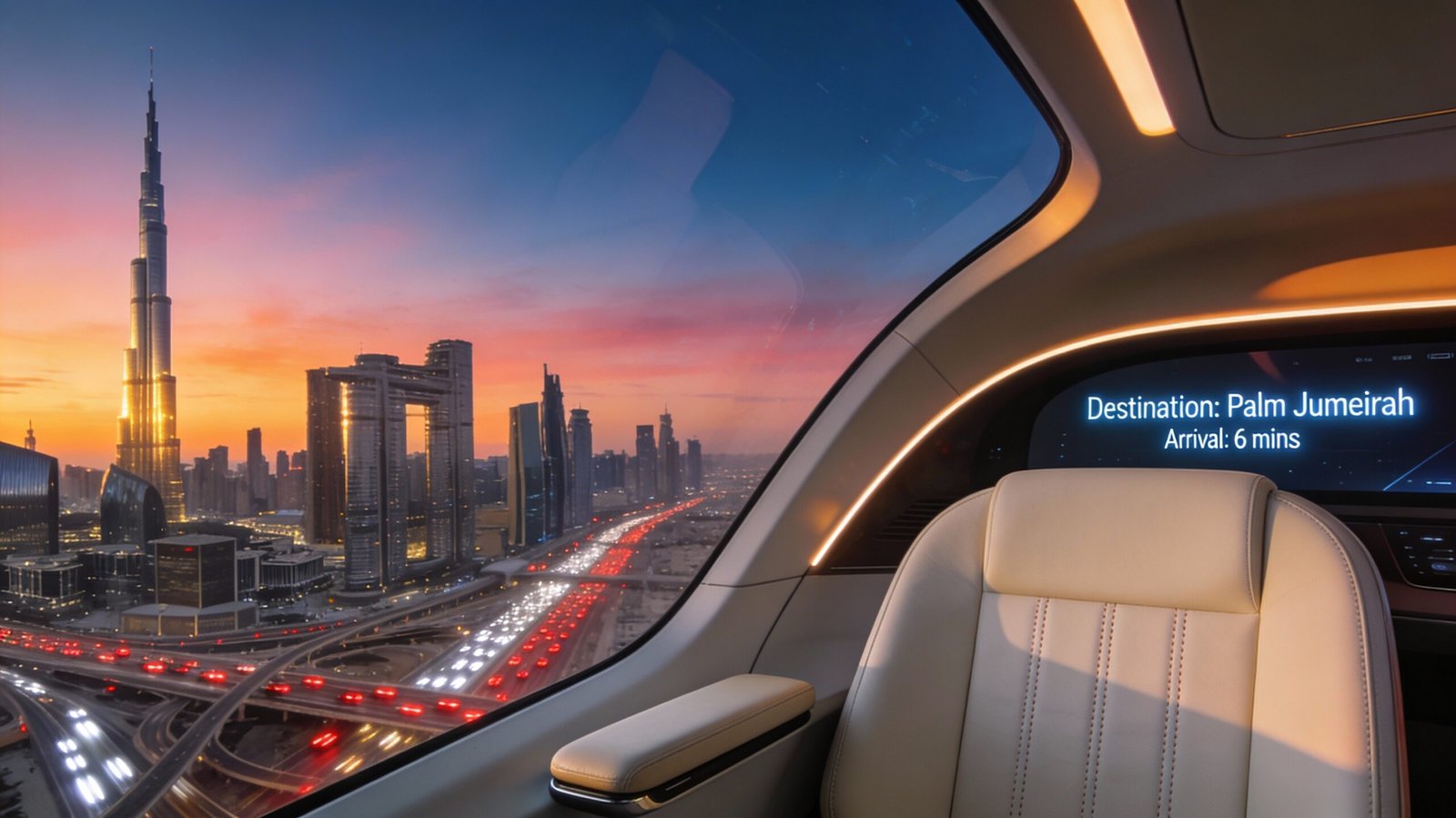
- Palm Jumeirah: Connecting the luxury resort arch.
Unlike a helicopter pad, these Vertiports are designed for high-throughput, seamless passenger experiences, integrating security, charging infrastructure, and lounge areas into a compact footprint.
The Vehicle: Joby Aviation
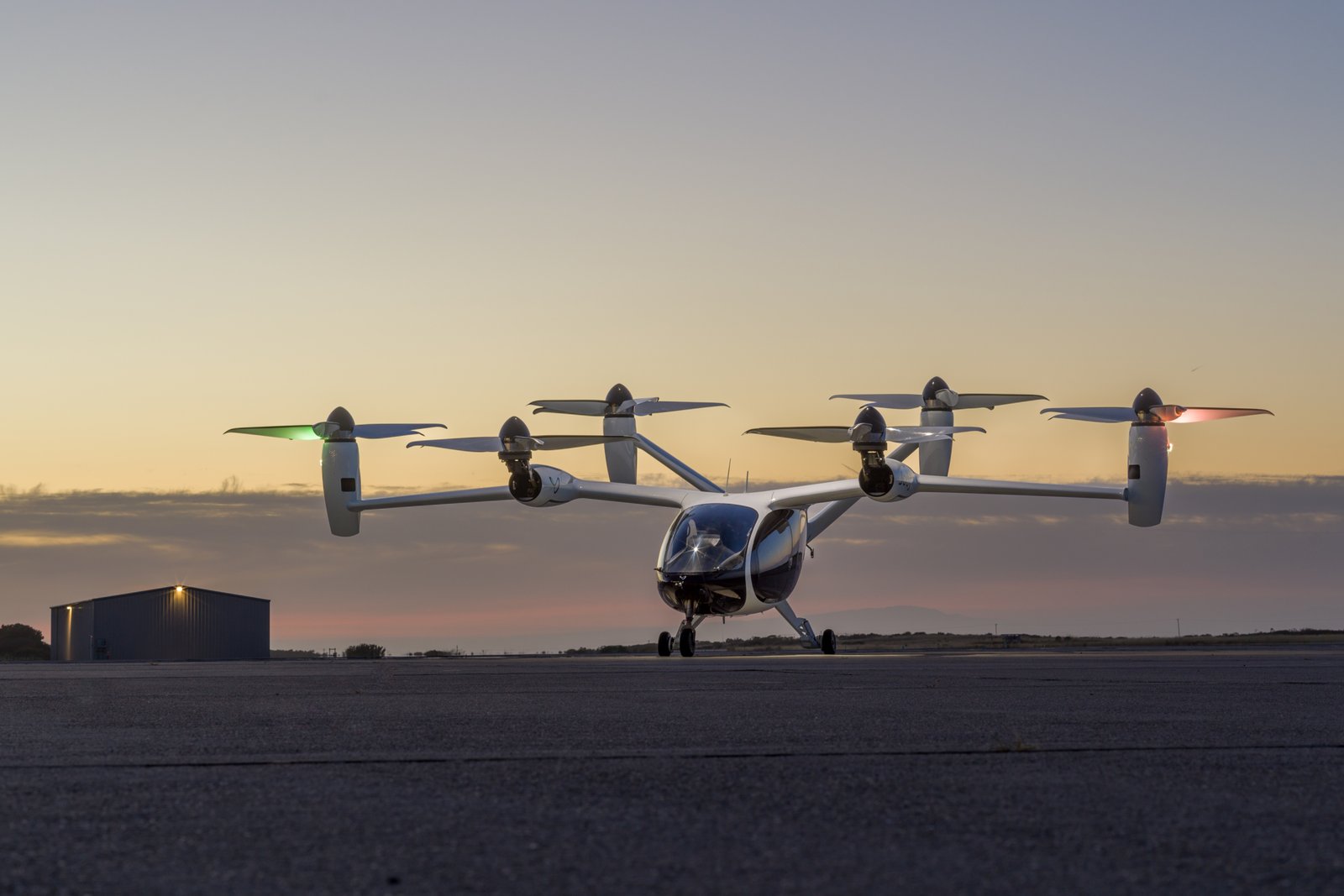
The hardware powering this revolution is equally impressive. The RTA has signed an exclusive agreement with Joby Aviation, a California-based leader in the field. Their aircraft is fully electric, carrying a pilot and four passengers at speeds of up to 200 mph (321 km/h).
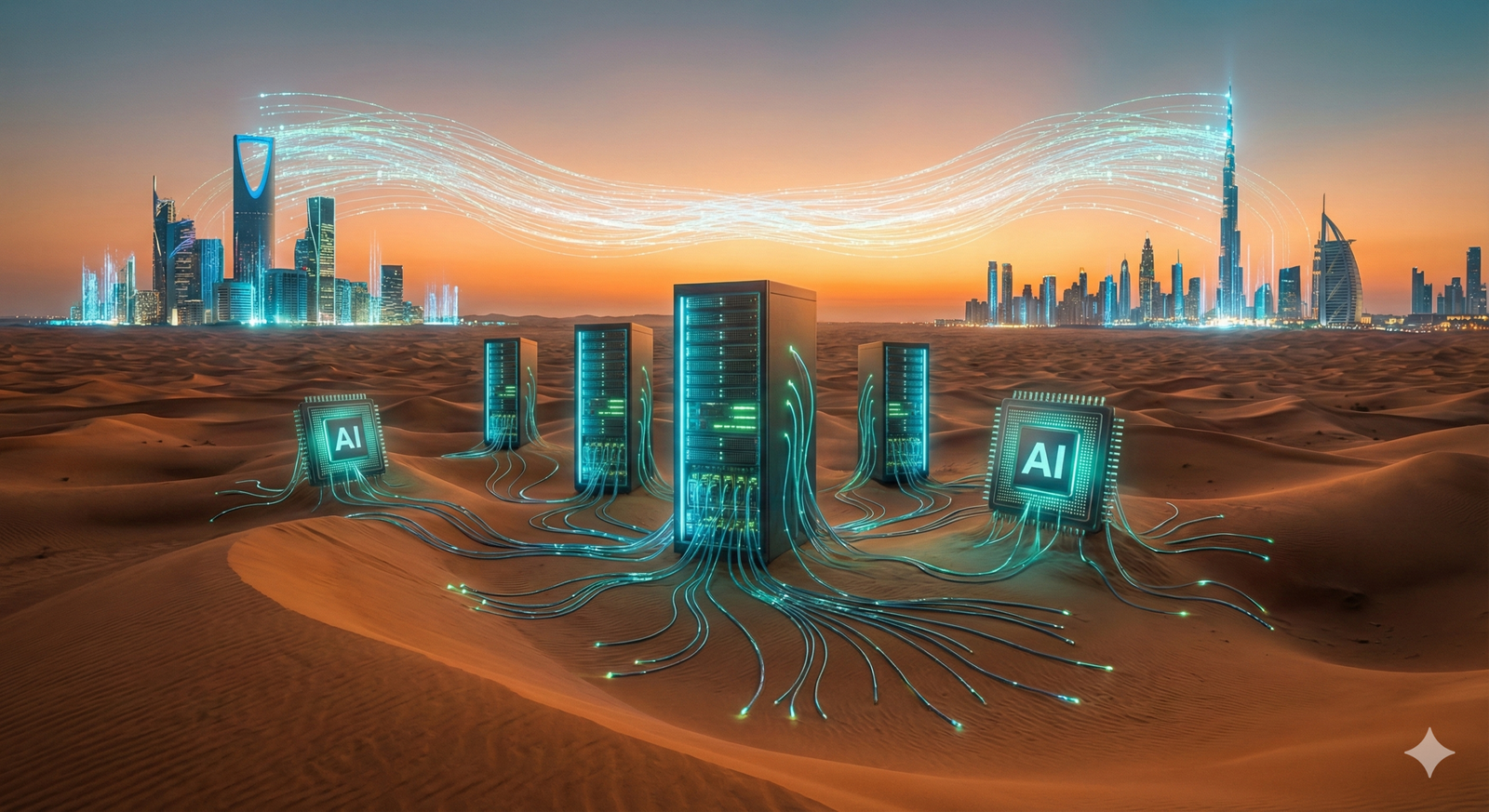
This rapid adoption of advanced aerial mobility is part of a wider national strategy to secure technological independence. Just as Dubai is mastering the skies, the UAE is also building its own computational infrastructure to lead the global AI race.
Recommended Read: The Falcon Era: How UAE’s ‘Sovereign AI’ Strategy is Redefining Digital Independence

Crucially, it is engineered for the urban environment. It is significantly quieter than a helicopter, designed to blend into the city’s background noise rather than disrupt it. A journey from DXB to the Palm, which currently takes 45 minutes to an hour by car during peak traffic, will be slashed to just 10 minutes.
A New Layer of Urban Mobility
This initiative transforms the very concept of distance in the emirate. It unlocks a third dimension of travel, relieving pressure on the Sheikh Zayed Road and offering a premium, time-saving alternative for executives and tourists.
Dubai is effectively acting as a global “living lab.” While cities like Paris and Los Angeles are exploring similar concepts, Dubai’s regulatory agility spearheaded by the RTA and the General Civil Aviation Authority (GCAA) has allowed it to move from concept to construction at record speed.
Come 2026, looking up at the Dubai sky won’t just be about admiring the skyscrapers; it will be about watching the traffic flow seamlessly above them. The future isn’t coming; it has already been signed, sealed, and is currently under construction.
Stay ahead of the future. Join our exclusive briefing on Dubai’s urban transformation.